
US-Iran Tensions Rise, Putting Oil Prices in Jeopardy
- April 20, 2026
- Posted by: Alex Reed
- Category: Related News
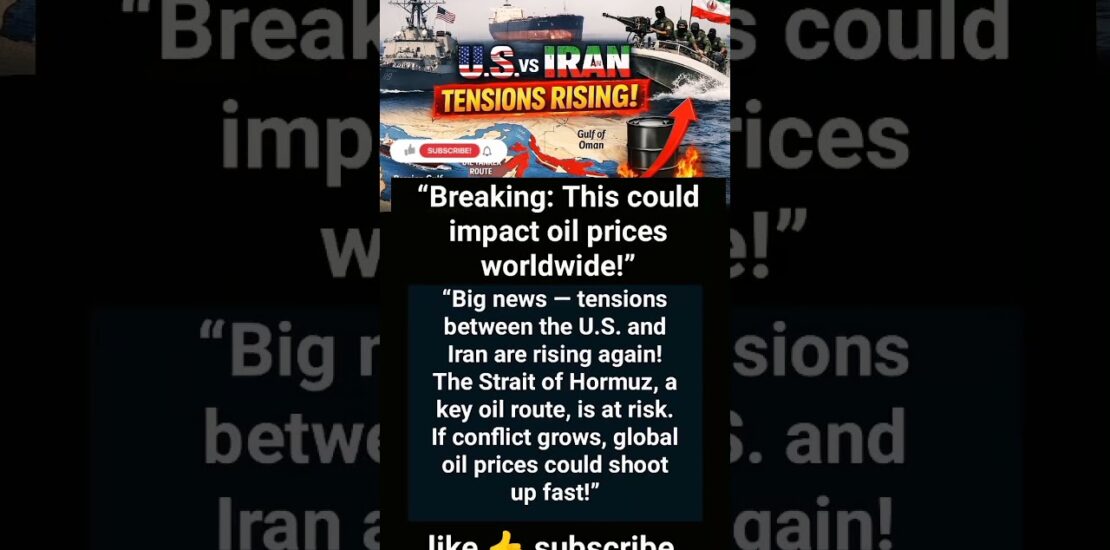
The rising tensions between the U.S. and Iran have once again taken center stage, raising concerns about the potential impact on global oil prices. As diplomatic relations spiral downward, experts warn that volatility in the oil market could provoke significant economic repercussions not just in the U.S., but around the globe.
U.S.–Iran Tensions Surge — Key Takeaways
The ongoing conflict between the U.S. and Iran has escalated, with a series of military maneuvers and political posturing heightening fears of an impending crisis. According to analysts, this escalation could lead to disruptions in oil supply, further inflating prices that are already under pressure from geopolitical uncertainties. Additionally, global markets are bracing for the financial implications of sustained tensions, particularly in energy-dependent economies.
What You Need to Know
- The U.S. government has increased military presence in the region, prompting warnings from Iran.
- Oil prices have already started reacting to news of rising tensions, with significant fluctuations observed in recent trading sessions.
- Iran has threatened retaliation against U.S. interests, which could lead to wider conflicts.
- Market analysts predict that sustained tensions could lead to a spike in global oil prices, affecting consumers worldwide.
- Economists suggest that even minor conflicts can lead to major disruptions in oil supply chains, impacting everything from transportation costs to consumer goods.
Why This Matters
The implications of U.S.–Iran tensions extend beyond political rhetoric; they have real-world consequences for the global economy. An unstable oil market can lead to increased prices at the pump, impacting everyday consumers and businesses alike. Furthermore, countries reliant on oil imports may face economic challenges, prompting discussions about energy independence and alternative energy solutions.
Need to decode legal language? Try the free AI Legalese Decoder — no registration required.

 ****** just grabbed a