
Supreme Court Ruling on Campaign Finance Reflects Wisconsin Model
- June 30, 2026
- Posted by: Alex Reed
- Category: Related News
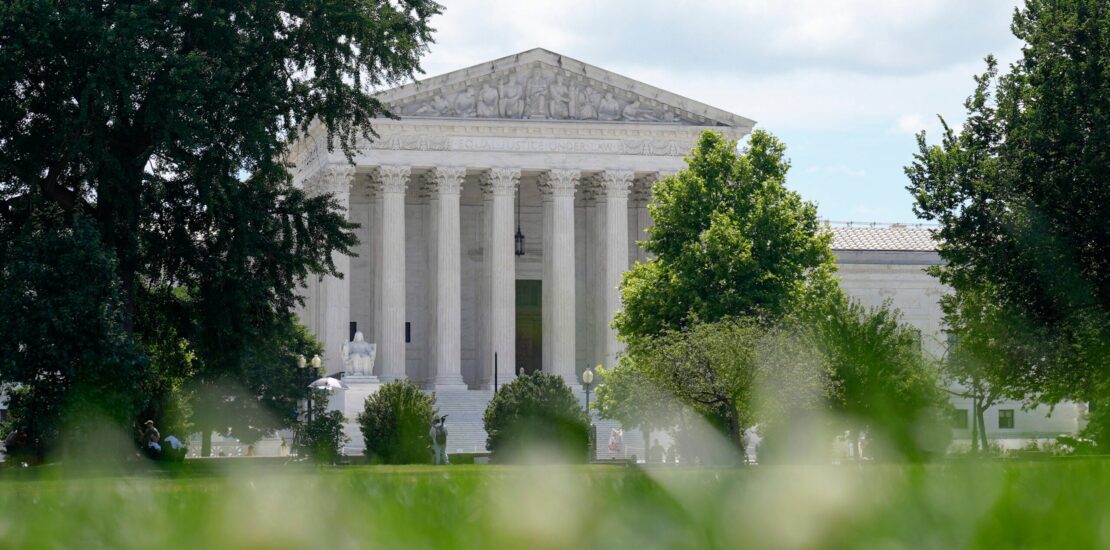
Political spending has just hit a new high. The U.S. Supreme Court’s recent ruling allows political parties to spend as much as they want on campaigns. This decision could transform how political campaigns are run across the nation, making it more important than ever for voters to understand the implications.
New Rules for Political Spending
In a landmark 6-3 decision, the Supreme Court ruled that limiting spending by political parties violates the First Amendment. This overturns a part of the Federal Election Campaign Act, a law created in the aftermath of the Watergate scandal to limit the potential for electoral corruption. Justice Brett Kavanaugh, who wrote for the majority, emphasized that treating all political stakeholders equally is essential for democracy.
This ruling means that political parties, including the Democratic National Committee (DNC) and the Republican National Committee (RNC), can now coordinate more closely with their candidates. They can also raise and spend unlimited amounts of money, which may enhance their competitiveness in elections. With this increased financial power, the parties argue they can better convey their messages to the electorate.
However, critics warn that this loosening of restrictions could lead to a surge in corrupt practices. By enabling more extensive coordination between donors and candidates, the danger of “quid pro quo” arrangements rises. Justice Elena Kagan, one of the dissenting voices, argued that such financial maneuvers could lead to corrupt deals between wealthy donors and elected officials.
The Wisconsin Example
Since 2015, Wisconsin has been operating under similar laws, allowing state political parties to raise and spend unlimited funds on campaigns. At the time, state Republicans championed these changes as necessary for transparency, arguing that parties are publicly accountable. They believed this overhaul would level the playing field against powerful unions.
However, many Democrats feared the changes would open the floodgates to corruption. Despite these concerns, the changes were enacted, and state parties have since thrived under this model. Notably, the Democratic Party capitalized on these rules during highly contested judicial races, spending millions to influence outcomes. For example, in one of the most expensive judicial races, Democrats invested $10 million to help elect Justice Janet Protasiewicz in 2023.
Jeff Mandell, the president of a liberal law firm, noted that the Supreme Court’s ruling expands this Wisconsin model to other states. He criticized this as a negative trend, suggesting that it might lead to more expensive and less transparent elections nationwide.
National Implications of the Ruling
The Supreme Court’s decision potentially alters the campaign finance landscape across the entire United States. It not only bolsters the financial abilities of political parties but could also prompt other states to re-evaluate their campaign finance laws. With the door now open for unlimited spending, both parties may engage in an arms race of fundraising efforts, further clouding the electoral process with money.
Advocates for campaign finance reform argue that this ruling exacerbates existing issues. Concerns over transparency and public trust are rising, as unlimited spending could drown out individual voters’ voices. Critics fear that without checks on party spending, the political arena may become dominated by wealthy contributors, sidelining the average voter.
The court’s ruling may even spark new legal battles as opponents of the decision work to maintain some level of spending limits. This could set the stage for a complex legal landscape regarding campaign finance, adjusting how political campaigns operate.
What this means for you
As a voter, understanding the implications of this ruling is crucial. Your voice could become less powerful as campaign spending skyrockets, potentially drowning out individual concerns and needs.
If you ever need to review campaign-related documents, AI legalese decoder can help you decode the fine print quickly. Understanding the terms can empower you to make informed choices in the upcoming elections.
Need to decode legal language? Try the free AI Legalese Decoder — no registration required.
Source: https://www.wpr.org/news/campaign-finance-limits-wisconsin-party-coordination-supreme-court

 ****** just grabbed a