
Supreme Court Rejects Trump’s Legal Challenge: Key Implications Explained
- June 30, 2026
- Posted by: Alex Reed
- Category: Related News
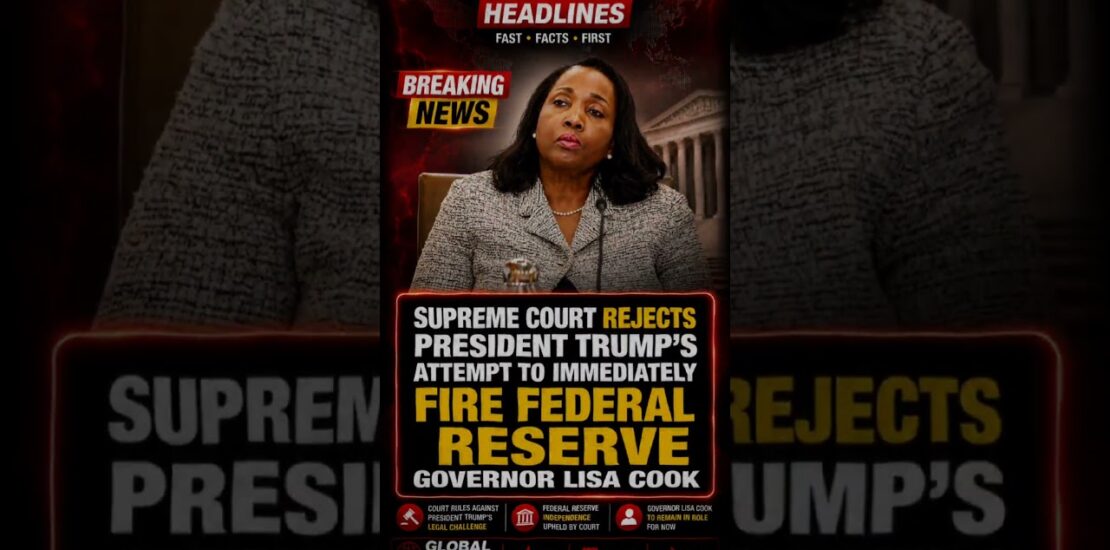
The U.S. Supreme Court has recently made headlines by rejecting a significant legal attempt by former President Donald Trump. This decision carries substantial implications for Trump’s ongoing legal battles and raises questions about its impact on future cases. In a pivotal move, the court dismissed an appeal related to materials from the January 6 Capitol riot investigation.
Supreme Court Rejects Trump’s Attempt — Key Takeaways
In a decisive ruling, the Supreme Court has turned down former President Trump’s request to block the release of records associated with the January 6 events. This verdict comes amidst heightened scrutiny of Trump’s role in the Capitol insurrection and reinstates the legitimacy of the investigative committees. The rejection reflects the court’s stance on accountability and transparency in governmental processes.
What You Need to Know
- The Supreme Court’s decision was unanimous, indicating strong consensus among the justices.
- This ruling allows lower court decisions to stand, which found that Congress has a right to access Trump’s records.
- The rejected appeal originated from an earlier ruling regarding Trump’s claims of executive privilege.
- legal experts anticipate that this decision may pave the way for further investigations into Trump’s actions surrounding January 6.
- This outcome may influence Trump’s ongoing legal strategies as multiple investigations continue to unfold.
Why This Matters
The Supreme Court’s ruling is a critical moment in U.S. judicial history, marking a reaffirmation of Congress’s investigative powers. It underscores the principle that no individual, not even a former president, is above the law. This decision may have profound implications for the accountability of public officials and the integrity of future congressional inquiries.
Need to decode legal language? Try the free AI Legalese Decoder — no registration required.

 ****** just grabbed a