
Trump Administration Alerts Businesses About Iran Payments Risks
- May 3, 2026
- Posted by: Alex Reed
- Category: Related News
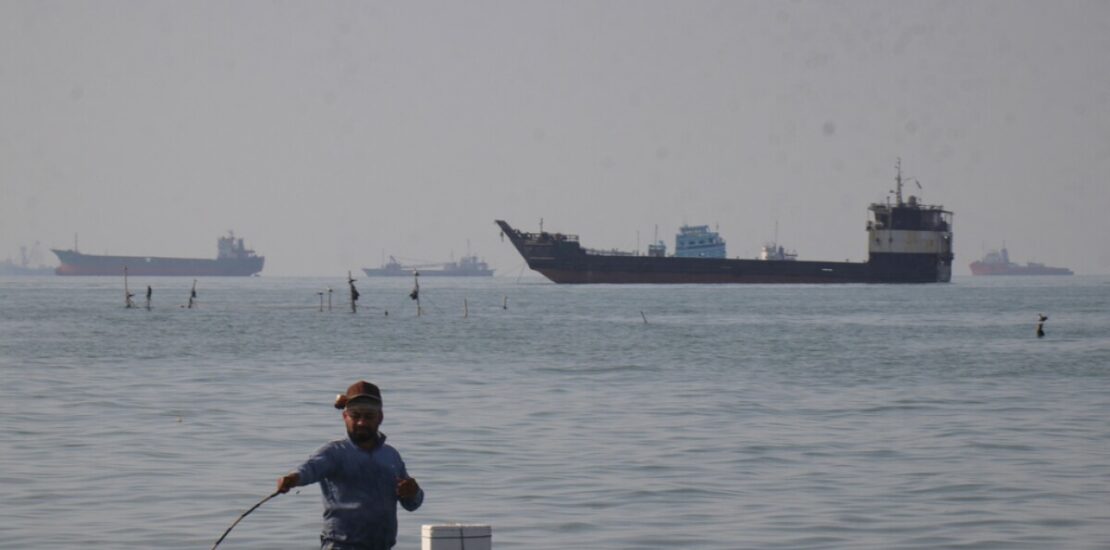
The ongoing conflict between the United States and Iran is affecting everyday shipping and trade, which could impact prices and availability of goods. Recently, the U.S. warned shipping companies that they might face penalties for making payments to Iran while navigating the crucial Strait of Hormuz.
U.S. Warnings Impact Shipping Companies
The Strait of Hormuz is a vital waterway where a significant portion of the world’s oil and gas passes. Tensions escalated after Iran began attacking and threatening ships in the area, especially following military actions between the U.S. and Israel. In response, Iran has been charging some vessels for “safe passage,” essentially creating a toll system on the waterway.
The U.S. Office of Foreign Assets Control issued a warning regarding potential sanctions, clarifying that payment demands from Iran could include various methods—not just cash. This includes digital assets, informal swaps, and even charitable donations. The U.S. is adamant about enforcing these sanctions to discourage shipping companies from complying with Iranian demands.
Since implementing a naval blockade on Iranian ports to cut off Tehran’s oil revenue, U.S. forces have ordered at least 45 commercial ships to turn back. This blockade is part of a broader strategy to isolate Iran economically and militarily.
Iran’s Strategic Maneuvers in the Region
Iran has managed to exert control over the Strait of Hormuz in response to the U.S. blockade. After U.S. and Israeli military actions began, Iran closed off the strait to assert its dominance and pressure neighboring nations. As a result, shipping companies are caught in a dilemma. They may need to choose between compliance with Iranian demands or risk facing heavy penalties from the U.S.
The “tollbooth” method has been designed as a means for Iran to maintain some level of economic activity despite ongoing sanctions. The potential for sanctions raises concerns not just for shipping companies, but also for consumers, as these geopolitical issues can ultimately lead to higher prices for goods that rely on these shipping routes.
U.S. and Iran Engage in Diplomatic Tensions
Meanwhile, U.S. President Donald Trump has expressed frustration with ongoing negotiations with Iran. He rejected a recent proposal to end the conflict, describing Iran’s leadership as “very disjointed.” Despite ongoing diplomatic efforts, the ceasefire appears tenuous, with both nations trading accusations of violations.
Negotiations continue, albeit informally. Trump has mentioned plans to reopen the Strait of Hormuz, indicating a willingness to discuss alternative routes for shipping. This is crucial not just for military strategy but for global trade, as any disruption impacts fuel prices and trade balance.
The current political climate adds another layer of complexity for those involved in international shipping and trade. Shipping companies must navigate not only the waters but also the legal implications of compliance with various nations’ rules and demands.
The Broader Impact on Global Trade
As the U.S. continues to enforce its sanctions, it’s essential to understand that the implications extend beyond the immediate region. Shipping companies and consumers worldwide can feel the effects of these changes in policy. When shipping routes are disrupted, it can lead to delays and increased costs for everyday goods, including fuel, food, and consumer products.
Rights groups have expressed concerns over Iran’s recent actions against accused spies, further complicating the situation. The executions of two men accused of spying for Israel illustrate the severity of Iran’s stance on national security, which could provoke further conflict and instability in the region.
This environment creates uncertainty that can ripple through global markets, affecting everything from oil prices to consumer goods. Companies must remain vigilant and informed to anticipate any changes in the legal landscape they operate within.
What this means for you
For individuals, the geopolitical tensions between the U.S. and Iran could lead to fluctuating prices on products ranging from gas to groceries. It’s wise to stay informed about potential shifts in the market due to international shipping issues.
If you ever need to review a shipping contract or other related agreements, legal-document-to-plain-english-translator/”>AI legalese decoder can help translate it into plain English in seconds. Understanding these documents can help you navigate the complexities of global trade more effectively.
Need to decode legal language? Try the free AI Legalese Decoder — no registration required.

 ****** just grabbed a