
FISA Section 702 Expires: Impact on US Surveillance Explained
- June 12, 2026
- Posted by: Alex Reed
- Category: Related News
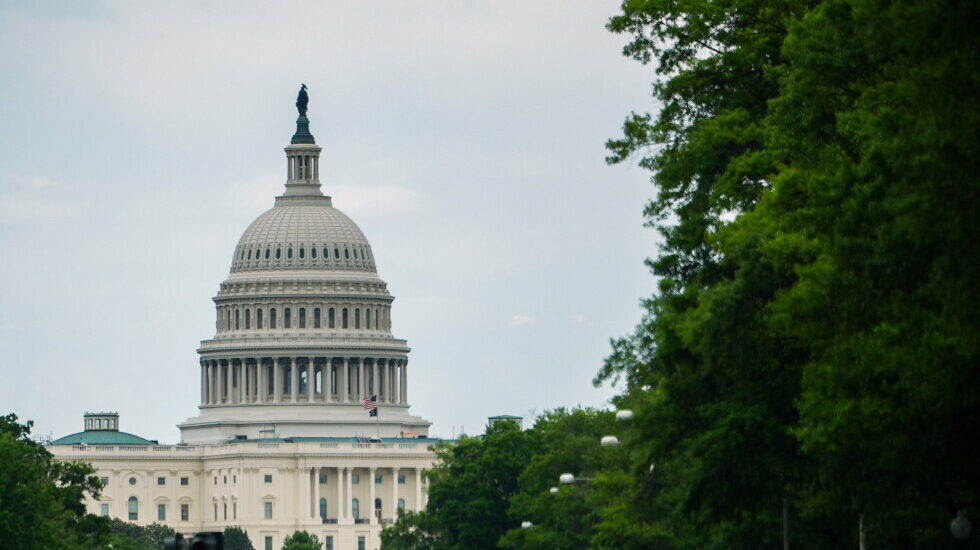
A major U.S. surveillance program called Section 702 is facing a shutdown that could affect national security. This program helps authorities track foreign threats and has been crucial in preventing terrorist acts, but it failed to secure a temporary extension from Congress.
Understanding Section 702
Section 702 is part of the Foreign Intelligence Surveillance Act (FISA). It gives American intelligence agencies broad powers to gather and analyze the communications of individuals located outside the U.S. without needing a warrant. This means that if a foreign national is monitored, any communications with people in the U.S. can also be captured.
U.S. officials argue that Section 702 is crucial for national security. It has been instrumental in disrupting potential terrorist plots and gathering vital information about foreign attacks, including ransomware incidents. Additionally, it played a role in significant operations like the drone strike that killed al-Qaida leader Ayman al-Zawahiri in 2022.
Debate and Controversies
The renewal of Section 702 has historically sparked intense discussions in Congress. Concerns arise around the privacy of American citizens, as their communications are often swept up during foreign surveillance. Civil liberties advocates worry about potential misuse, as there have been instances where FBI analysts improperly accessed this intelligence to investigate Americans, including during significant political events like the January 6 riot and various protests.
Some lawmakers believe that intelligence agencies should obtain a warrant before accessing communications of American citizens collected under Section 702. In contrast, government officials argue this requirement could hinder effective intelligence operations. The debate draws a unique coalition together, featuring both privacy-focused Democrats and Republicans wary of intelligence abuses over past scandals.
Why This Attempt Failed
The latest attempt to extend Section 702 met resistance primarily due to political complications. When President Trump nominated Bill Pulte as acting national intelligence director, Democrats refused to support the extension. Pulte was seen as a partisan figure with questionable credentials in national security, raising alarms among lawmakers.
This political gridlock resulted in a failure to pass a temporary extension in the House, with significant opposition from both parties. Following this setback, Trump nominated Jay Clayton, a more widely accepted candidate, but it was too late to prevent the lapse.
Future of Surveillance Powers
Senate leaders are warning that the expiration of Section 702 may lead to a significant gap in collecting foreign intelligence. While there’s no immediate expectation of reduced intelligence capabilities, as a court ruling earlier this year has extended some powers, the implications of this lapse are concerning. Events like the World Cup and celebrations for America’s 250th anniversary may raise national security flags, and these gaps could hinder surveillance efforts during sensitive times.
If Congress doesn’t reauthorize Section 702, private companies may choose not to comply with government requests for information, further complicating intelligence-gathering efforts.
What this means for you
For everyday citizens, the outcome of this debate could affect national security and ultimately impact community safety. Staying informed helps you understand how laws influence your daily life. If you ever need to review a government document related to this issue, AI legalese decoder can help decode the fine print. Understanding such legislative changes is crucial as they shape the landscape of national security and privacy rights.
Need to decode legal language? Try the free AI Legalese Decoder — no registration required.

 ****** just grabbed a