
David Hockney, Renowned British Artist, Passes Away at 88
- June 12, 2026
- Posted by: Alex Reed
- Category: Related News
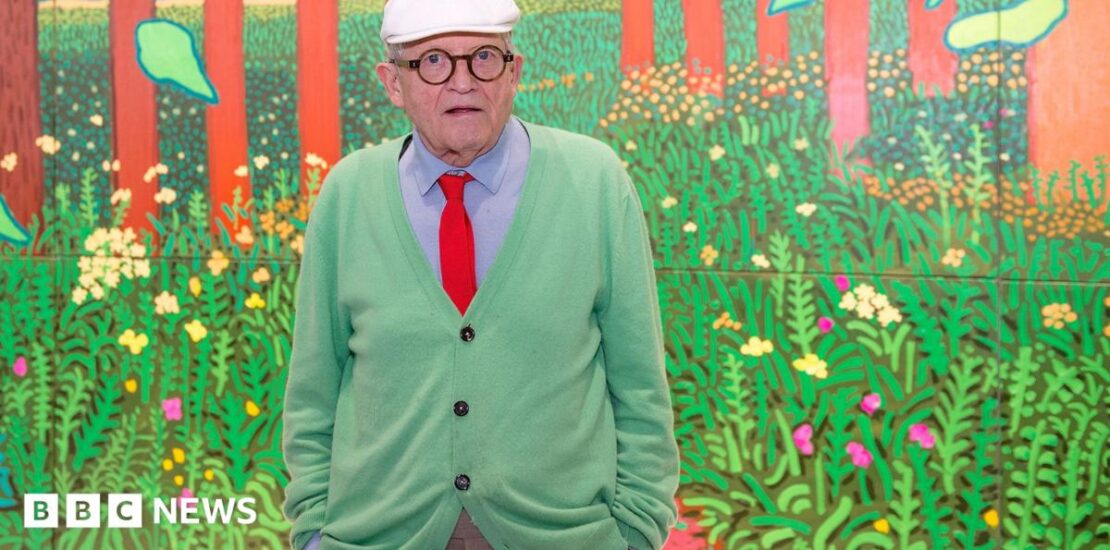
Hockney’s art did more than just beautify walls; it challenged norms and spoke to the hearts of people struggling for acceptance. His unique portrayals of gay life during a conservative era remind us how art can spark change and foster understanding in society.
The Revolution of Representation
David Hockney was a trailblazer in the art world, especially when it came to representing homosexuality. In the 1960s, a time when being gay was illegal in the UK, Hockney used his artwork to display gay relationships in a candid and loving way. His work often captured the simple joys of gay domestic life, moments that were otherwise invisible in mainstream society.
One of his landmark paintings, ‘We Two Boys Together Clinging,’ reflects this approach. Created in 1961, while he was still a student, this piece signals Hockney’s early understanding of the need for positive representation in a hostile world. He later described his efforts as “propaganda for something I felt hadn’t been propagandised.” Through his lens, he offered a glimpse of love that was both tender and revolutionary.
Hockney’s dedication to showcasing quiet moments of intimacy helped to change how society viewed homosexuality. Instead of sensationalizing it, he celebrated the everyday lives of gay individuals. While his works may have seemed like simple domestic scenes, they held a deeper significance: a challenge to the norms of his time.
Impact on LGBTQ+ Visibility
Dominic James Bilton, co-leader of the Queer British Art Network, emphasized Hockney’s long-lasting impact on society during his lifetime and beyond. He noted that Hockney “pioneered queer British art before it was fashionable.” This highlights how specific artists can influence societal acceptance, often before any real change takes place.
Hockney’s ability to showcase love without the stigma of shame or fear served to inspire not only his contemporaries but also generations that followed. By focusing on love and relationships instead of the struggles faced by the LGBTQ+ community, he opened doors to conversations that were previously considered taboo. His legacy stands as a testament to how art can transform reality and alter perceptions.
Moreover, the attention that Hockney’s art garnered contributed to the broader movements advocating for LGBTQ+ rights. When art thrives, society begins to change. Hockney played a crucial role in this interplay between culture and activism.
Legacy and Cultural Shifts
Today, Hockney’s influence can be seen in the works of many contemporary artists who continue to explore themes of sexual identity and love in their art. He stands as a pivotal figure who led the charge for greater representation and visibility.
As cultural attitudes have shifted over the years, his paintings have taken on additional layers of meaning. They now remind us not just of the struggle for acceptance but also of the triumphs experienced by the LGBTQ+ community.
Art is often a reflection of the times, and Hockney managed to transcend the social limitations of his era. His works remain vital, not just for their artistic merit but for the messages they convey about identity, love, and social justice. This mix of technique and heartfelt expression makes him a towering figure in both the art world and the ongoing fight for LGBTQ+ rights.
What this means for you
David Hockney’s pioneering representations of relationships have opened the doors to conversations about love and identity that impact everyone. If you ever need to review a contract related to artistic expression or any other document, legal-document-to-plain-english-translator/”>AI legalese decoder can help translate it into plain English in seconds. Understanding your rights is as important as embracing the beauty of representation in society.
Need to decode legal language? Try the free AI Legalese Decoder — no registration required.

 ****** just grabbed a