
Trade Disputes Between Canada and U.S. Loom Over Banff Events
- June 12, 2026
- Posted by: Alex Reed
- Category: Related News
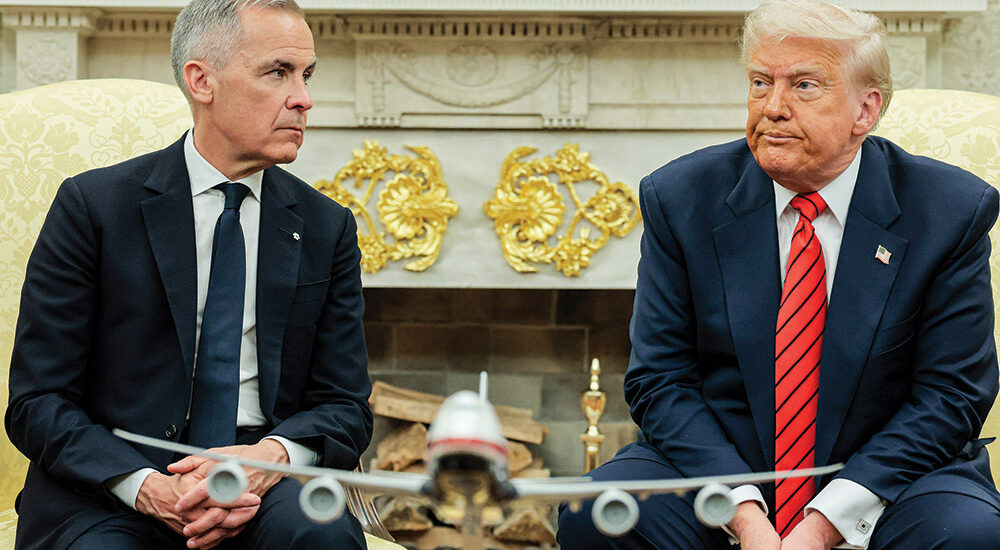
Banff World Media Festival is facing more than just unpredictable weather in the Canadian Rockies this year. Political tensions between the U.S. and Canada are casting a shadow over the festival, reminding us how interconnected our worlds can be, especially in the realms of media and trade.
### Rising Trade Tensions Affecting Media
As trade talks between Canada and the U.S. heat up, concerns have emerged regarding foreign streaming platforms. Recent actions by the Canadian government to abandon plans to tax U.S. streaming companies demonstrate a complex balance of political power and economic necessity. These streaming services, including giants like Netflix and Amazon Prime, have been under pressure to financially support local Canadian content production. This was especially crucial for local audiences that desire authentic Canadian films and shows instead of just mainstream American offerings.
Catherine Warren, president of Vancouver-based FanTrust, has commented on the challenges faced by American companies to adapt and comply with the Canadian Online Streaming Act. The U.S. Trade Representative labeled this law as “discriminatory,” which raises questions about fairness and collaboration between the two nations.
### The Impact on Canadian Creators
The implications of these political maneuvers stretch beyond regulatory affairs, affecting local creative communities. Producers and directors, such as Uga Carlini, are facing uncertainties as they attempt to pitch homegrown projects. The festival is a platform for creatives to secure partnerships for movies and TV series. Nonetheless, escalating trade issues could hinder those opportunities.
As Carlini prepares to pitch her projects, she says she wants to tell uniquely Canadian stories, even if that means collaborating with American producers. From her perspective, the focus should be on the story rather than solely on nationality. This sentiment is echoed by other creators who are looking for collaborative avenues amid regulatory challenges.
### Economic Implications for Alberta
Amid these turbulent trade negotiations, Alberta also finds itself grappling with its own economic shifts. The province recently had to cut its budget for attracting film and TV productions, a strategy that could bolster its economy through job creation and cultural investment. Despite this, Alberta still has a working film tax credit that appeals to filmmakers, enhancing its potential for attracting larger productions.
Some producers, like Gerald Augur, focus on telling indigenous stories, yet they worry about the impact of political tensions on their projects. The upcoming referendum concerning Alberta’s independence could further complicate matters in this sensitive context. As the political landscape shifts, these creators face challenges that might affect their ability to share Canadian narratives.
### What This Means for You
The conflicts between countries and industries illustrate how deeply intertwined our economies and cultures are. As a consumer, you might notice changes in the content available to you, depending on how these international negotiations unfold.
If you ever need to review an agreement related to local streaming services or media content, legal-document-to-plain-english-translator/”>AI legalese decoder can translate it into plain English in seconds. Understanding these documents can help you make informed decisions on what you consume and how you engage with media businesses.
Need to decode legal language? Try the free AI Legalese Decoder — no registration required.
Source: https://www.hollywoodreporter.com/business/business-news/canada-u-s-trade-talks-banff-1236620289/

 ****** just grabbed a