
Middle East Conflict Leads to Significant Supply Chain Disruptions
- April 14, 2026
- Posted by: Alex Reed
- Category: Related News
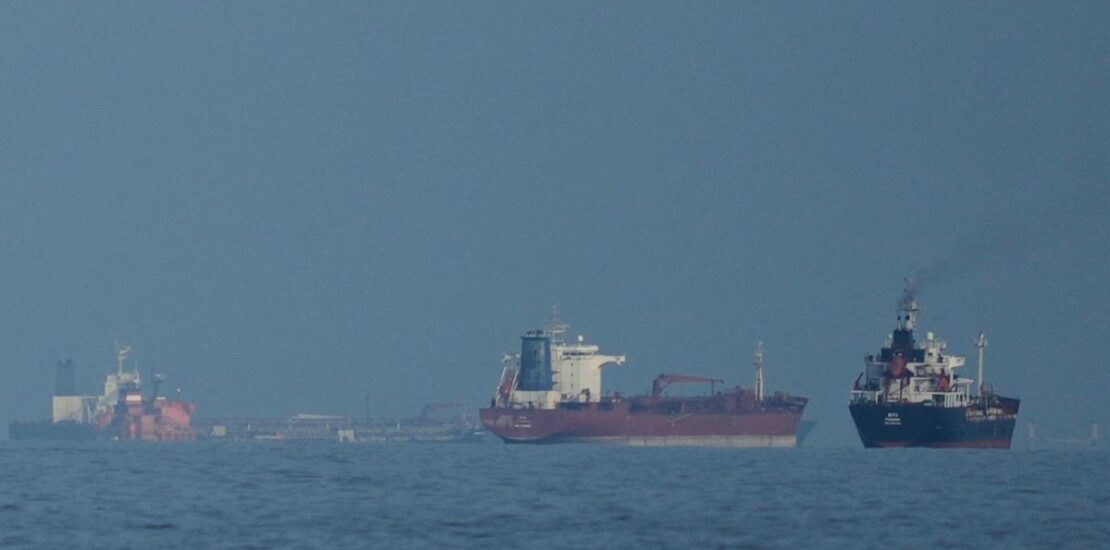
War in the Middle East affects everyone, from local households to the global economy. Understanding how these events influence your daily life and finances is crucial, especially as experts warn of rising living costs.
The Impact of the Conflict
The ongoing conflict in the Middle East, particularly involving Iran, has caused significant disruptions in global oil and gas supplies. Andrew Bailey, the head of the Bank of England, described this situation as a “major supply shock.” He acknowledged that the war’s influence on energy prices could lead inflation to rise, hitting around 4% in the UK—double the central bank’s target.
This spike in costs will directly affect your household expenses. As inflation climbs, basic needs like fuel and groceries may become more expensive. While the situation is serious, Bailey maintained that the UK is better equipped to handle this crisis compared to past financial challenges. The nation’s banking system, strengthened since the 2007-09 financial crisis, provides a buffer in these turbulent times.
Concerns Among Financial Leaders
As leaders in finance gather in Washington, DC for the spring meetings of the International Monetary Fund (IMF), the mood is somber. The IMF recently delivered a pessimistic forecast, revealing that the UK faced the most significant downgrading of growth predictions among major global economies.
Chancellor Rachel Reeves and other financial officials are undoubtedly concerned about how the rising energy prices will influence the UK economy. Economists warn that this inflation could generate added stress for consumers, who are already grappling with their financial situations. The interplay between these global events and local market conditions could shape economic recovery in the months to come.
The Role of Monetary Policy
Bailey heads the Monetary Policy Committee (MPC), which sets interest rates that affect borrowing and saving for individuals. While he didn’t make any predictions about future interest rates, he noted that the focus should remain on the current supply shock. He explained that dealing with these shocks at the source, particularly in the Gulf region, is vital, instead of relying solely on monetary policy.
He emphasized the importance of the bank’s resilience, stating that the measures taken over the past 17 years have fortified the system. While financial stability remains a concern, he believes the UK is in a stronger position today. This resilience is key to ensuring that growth returns to the UK economy.
International Reactions
Various political leaders have weighed in on the crisis. Prime Minister Sir Keir Starmer is working to ensure safe navigation in vital waterways like the Strait of Hormuz. Meanwhile, U.S. President Biden criticized the UK for not boosting oil extraction in the North Sea, suggesting that more aggressive drilling could alleviate some energy supply issues.
Reeves responded, labeling the U.S. approach towards Iran as reckless, especially as tensions in the region escalate. These international dynamics underscore how interconnected global politics and economics truly are.
What this means for you
For individuals, the news about rising energy prices and inflation might come with immediate financial stress. It’s vital to stay informed about how global events can impact your daily costs. If you ever need to review terms in your financial documents, such as contracts or insurance agreements, legal-document-to-plain-english-translator/”>AI legalese decoder can translate them into plain English in seconds. Stay aware and prepared; the global economy affects us all.
Need to decode legal language? Try the free AI Legalese Decoder — no registration required.
Source: https://uk.finance.yahoo.com/news/middle-east-conflict-sparked-major-185824588.html

 ****** just grabbed a