
Volaris Increases International Seat Capacity by 12% with US Expansion
- July 3, 2026
- Posted by: Alex Reed
- Category: Related News
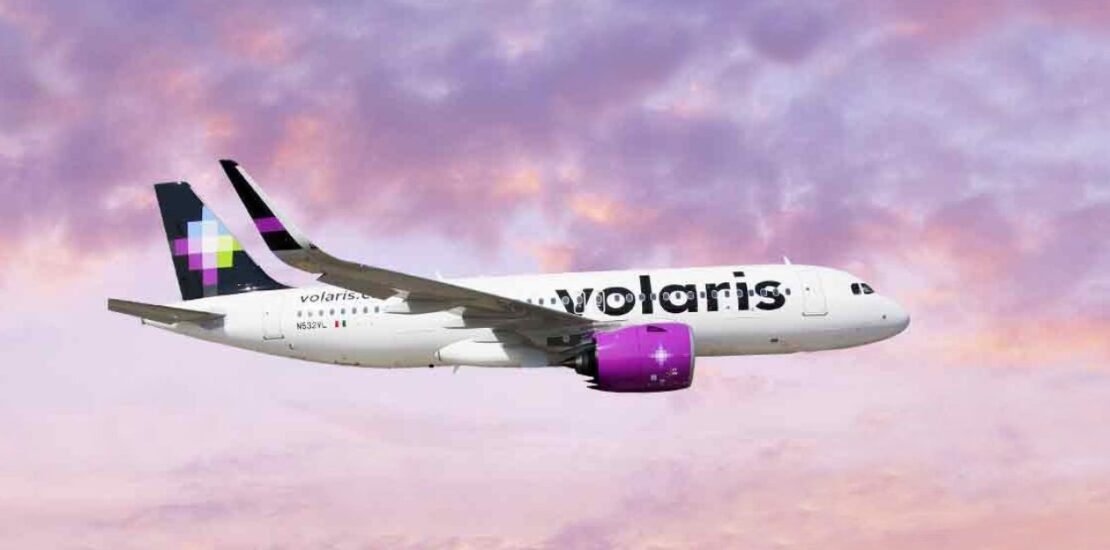
Volaris, a prominent airline in Mexico, just made a big move that could impact anyone planning a trip. They have increased their flight capacity from the United States by 12% this summer, launching new routes to meet rising travel demand linked to the upcoming 2026 FIFA World Cup.
Why This Expansion Matters
Volaris is not just another airline; it positions itself as a more affordable option for those flying between the U.S. and Mexico. With the expansion, travelers will see new routes connecting major U.S. cities like Houston, Los Angeles, and Chicago to destinations in Mexico. This is especially important for sports fans, families, and business professionals looking for more convenient travel options.
The airline’s capacity increased from 2.43 million seats during last summer to 2.73 million this year, gaining nearly 300,000 additional seats. This growth is substantial, particularly when overall international flight capacity from the U.S. has declined by 2%. If you plan to travel to Mexico soon, this means you have more flight choices and perhaps lower ticket prices.
Details of the New Routes
Volaris announced 11 new U.S. routes that will help enhance travel between Mexico and the United States. These routes were introduced to cater to both leisure and business travel. Cities like Dallas-Fort Worth, Denver, and Orlando have now become more accessible for Mexican travelers.
The expansion centers around the 2026 FIFA World Cup, which will draw millions of attendees and amplify travel needs. Volaris aims to seize this opportunity by making it easier for fans and tourists to travel comfortably and affordably. By improving the existing hubs in Guadalajara and Tijuana, Volaris is also enhancing regional connectivity which will benefit travelers from cities like Puebla and Queretaro.
Volaris Compared to Other Airlines
While Volaris is expanding its network, other airlines are experiencing mixed results. For example, Avianca and British Airways increased their capacities by 9.2% and 4.9%, respectively. However, many airlines are still facing declining capacities.
Total international capacity for flights to and from the U.S. has reduced overall, with some regional markets seeing sharper declines. The Middle Eastern routes dropped by 13.1%, while Central America’s capacity decreased by 6.6%. Volaris’ growth story stands in stark contrast to these broader trends, marking it as a key player in Latin America’s aviation landscape.
Future of Volaris and Travel to Mexico
As Volaris looks to strengthen its position, the airline is also focused on affordability. Promotional fares have been introduced to encourage bookings. Prices for domestic routes start as low as MX$149, while international tickets begin at US$84. This pricing strategy not only aims to attract passengers but also reinforces Volaris’s commitment to accessible travel.
The airline recorded an increase in passenger volume earlier this year, further solidifying its status as Mexico’s largest airline by passenger count. The continued demand for flights between the U.S. and Mexico signals a healthy recovery for the aviation sector, despite broader market challenges.
What this means for you
If you’re planning a trip to Mexico or exploring travel for business, Volaris’ expansion provides more options than ever. Keep an eye on ticket prices and routes as they can greatly affect your travel plans. If you ever need to review ticket terms and conditions, AI legalese decoder can translate it into plain English in seconds.
Need to decode legal language? Try the free AI Legalese Decoder — no registration required.
Source: https://mexicobusiness.news/aerospace/news/volaris-boosts-intl-seat-capacity-12-us-routes-expand

 ****** just grabbed a