
Americans Outraged Over Trump’s $1 Billion Crypto Earnings as President
- July 3, 2026
- Posted by: Alex Reed
- Category: Related News
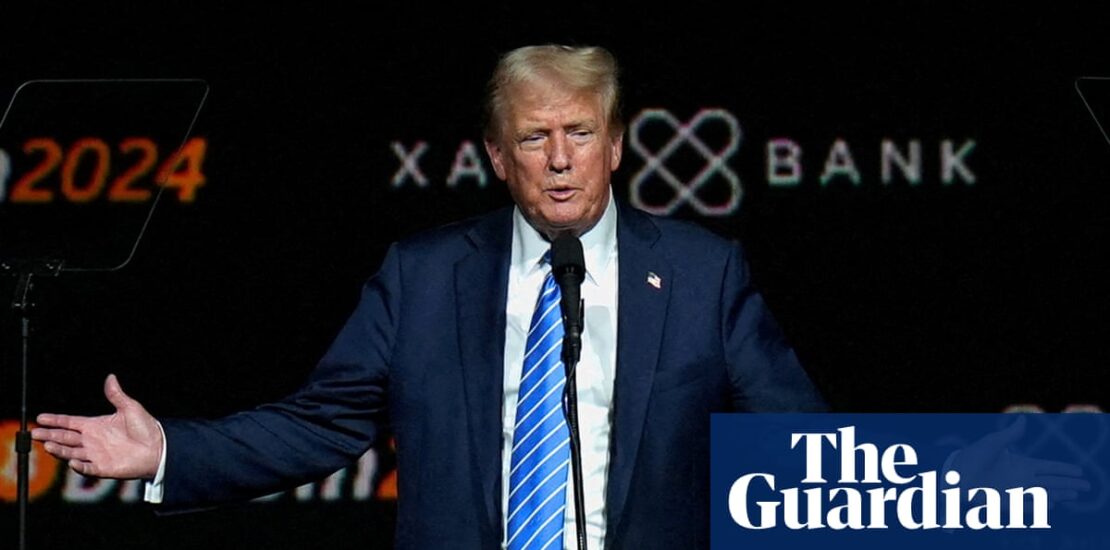
Donald Trump’s significant earnings from his crypto ventures since his presidency raise important questions about ethics and accountability. As many Americans feel the financial pinch from rising living costs, the stark contrast between their struggles and Trump’s wealth magnifies the concerns over potential corruption in the highest office.
Trump’s Billion-Dollar Crypto Fortune
Recent financial disclosures reveal that Donald Trump has amassed over $1 billion from his cryptocurrency businesses. This comes on top of more than $2.2 billion earned last year from a vast network of investments, including real estate, golf courses, and Trump’s branded products. Among these ventures are the companies World Liberty Financial and CIC Digital LLC, which have reportedly made Trump around $1.1 billion by selling “governance tokens” and novelty “memecoins” featuring his likeness.
Critics accuse Trump of leveraging his position as president for personal gain. This perception of greed and unethical business practices has fueled public outrage. A spokesperson for the White House, Anna Kelly, firmly stated that neither Trump nor his family has engaged in conflicts of interest. However, Trump’s own comments suggest he views his business dealings as a normal aspect of his identity as a businessman.
Public Outcry Over Wealth Disparity
Responses from the public convey anger and despair regarding Trump’s growing wealth while many Americans struggle financially. Over 400 individuals shared their thoughts, expressing concerns that the president’s financial gains reflect a system rife with corruption. Comments from various citizens illustrate a deep sense of frustration. For example, a retired technical writer described Trump as greedy and detached from the struggles of average Americans, while a veteran highlighted the disparity between Trump’s wealth and the everyday hardships faced by ordinary citizens.
Retired individuals, healthcare professionals, and even students shared their views. They expressed feelings of being left behind, as they watch someone in power profit considerably while they juggle expenses and healthcare costs. The gap between Trump’s financial success and the financial struggles of Americans has become a focal point for critics.
legal and Ethical Concerns
The concerns raised about Trump’s financial dealings underscore the need for stricter regulations. Critics have pointed out a lack of legal safeguards concerning the president’s business activities while in office. Several citizens argued that Congress should intervene to address what they see as blatant corruption and a failure of the current system to prevent conflicts of interest.
As discussions about these ethical implications continue, questions arise about how such revelations affect public trust in government institutions. Many worry that unchecked wealth can lead to further erosion of democracy and create barriers for future generations.
What This Means for You
The issues surrounding Trump’s earnings highlight the importance of transparency in government and accountability for those in power. As you navigate your own financial and legal matters, consider how similar principles apply. If you ever need to review employment contracts or other agreements, legal-document-to-plain-english-translator/”>AI legalese decoder can help translate them into plain English in seconds. Stay informed about your rights and the broader implications of financial ethics in leadership.
Need to decode legal language? Try the free AI Legalese Decoder — no registration required.
Source: https://www.theguardian.com/us-news/2026/jul/03/americans-disgusted-trump-crypto

 ****** just grabbed a