
US Airstrikes Against Iran Propel Dow, S&P 500, and Nasdaq Futures Up
- June 10, 2026
- Posted by: Alex Reed
- Category: Related News
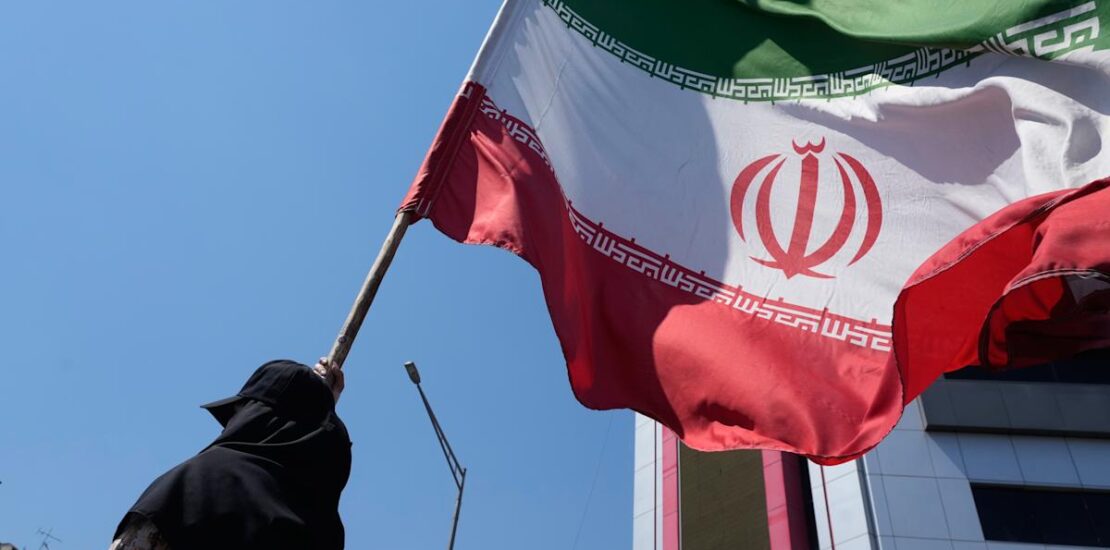
The recent escalation in the US-Iran conflict has significant implications for the global economy, especially regarding oil prices. If you’re traveling or budgeting for essentials, you might soon feel the impact at the gas pump or grocery store.
US Air Strikes and Rising Oil Prices
On Wednesday evening, the US military launched a new round of air strikes against Iran. This move follows days of rising tensions between the two nations. As a result, oil prices have seen a sharp increase. Futures for Brent crude, the international benchmark for oil, surged by as much as 3.4%, crossing the $96 per barrel threshold. Meanwhile, the US benchmark, West Texas Intermediate (WTI) crude, also climbed, rising 3.8% to over $93 per barrel.
The price surge occurred in the context of escalating military action, which has caused many to worry about supply disruptions. Reports from various media outlets suggest that these airstrikes aim to pressure Iran into signing an agreement with the US. The immediate market reaction highlights how closely tied global markets are to geopolitical developments.
Escalated Military Tensions
Throughout Wednesday, US officials, including President Trump and Secretary of Defense Pete Hegseth, made strong statements about the intention to take severe action against Iran. Trump confirmed that the military would continue its aggressive stance, stating, “We hit them hard yesterday, and we’re going to hit them hard again today.” These comments set the stage for the strikes that followed.
As the airstrikes began, Iran’s top military leaders responded by declaring that the Strait of Hormuz, a vital passage for global oil transport, has been completely closed. This strait is considered the world’s most critical chokepoint for oil flows, and any disruption there poses significant risks to global energy supplies.
Repercussions for Global Trade
The situation is incredibly complex. With Iran’s Revolutionary Guard alleging that two ships were attacked while attempting to exit the Persian Gulf, tensions in the region are escalating further. Seyed Marandi, an advisor to the Iranian negotiating team, took to social media to express that the “psychopath” in the White House had directly led to this closure, highlighting the severity of the conflict.
The closure of critical waterways like the Strait of Hormuz could lead to increased shipping costs and fuel prices globally. For individuals and businesses, this could mean higher prices for products and services that rely on oil, from transportation to heating.
Addressing the Broader Impact
In light of these rising tensions and their potential impact on everyday life, it’s essential to stay informed. While geopolitical conflicts might seem distant, their effects often trickle down to the average person. Rising gas prices, increased inflation, and overall economic anxiety can become daily realities as countries navigate these uncertain waters.
Taking practical steps in response to these developments is crucial. For anyone engaging in commerce or even personal budgeting, preparing for price fluctuations is wise. It’s also important to understand relevant contracts and agreements related to this situation, whether they involve energy suppliers or service providers.
What this means for you
As the situation unfolds, remember that rising oil prices can affect your daily expenses. Take note of potential changes in your budget for gas and other fuel-based costs. If you ever need to review contracts related to energy supply agreements, legal-document-to-plain-english-translator/”>AI legalese decoder can translate it into plain English in seconds.
Need to decode legal language? Try the free AI Legalese Decoder — no registration required.

 ****** just grabbed a