
Mississippi Judge Removes Four Lawyers for Improper AI Usage
- June 10, 2026
- Posted by: Alex Reed
- Category: Related News
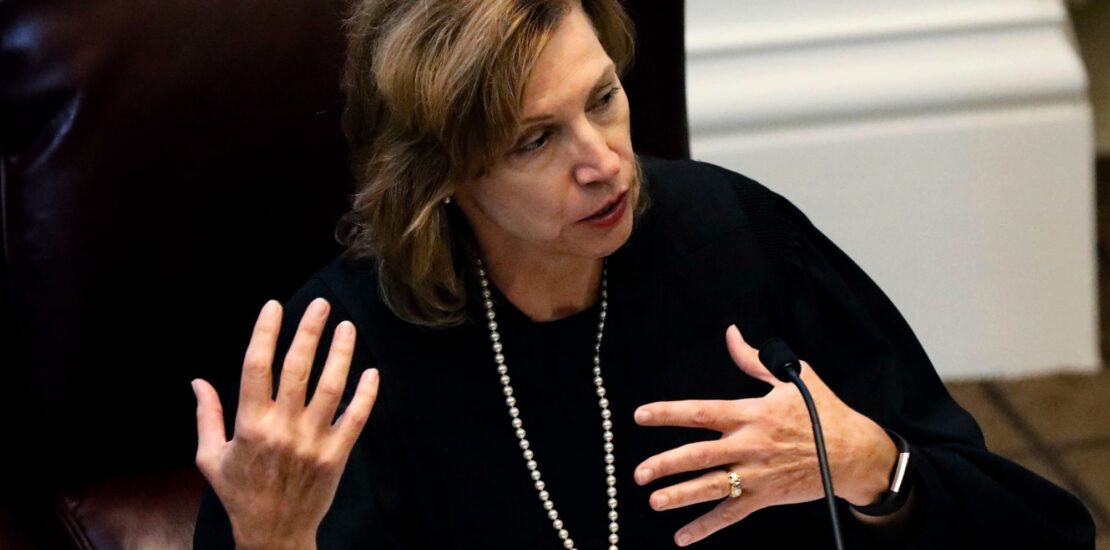
A recent ruling in Mississippi underscores the potential risks of using AI in legal settings, with significant repercussions for attorneys involved. A federal judge has taken the unusual step of banning lawyers from a case due to their reliance on generative AI, which led to false legal citations in court documents. This incident is a wake-up call for anyone who interacts with legal documents—reminding us that technology, while helpful, can also mislead if not used cautiously.
AI Missteps in Court
In a startling decision, U.S. District Judge Sharion Aycock dismissed four attorneys from a case for submitting legal filings that included fabricated sources generated by AI. This case revolved around a contract dispute involving Tom Withers III and the City of Aberdeen. The judge noted that both legal teams had not thoroughly vetted the legal findings presented in their documents, relying instead on AI’s capabilities without proper scrutiny.
The court had reported “serious concerns” back in December regarding “hallucinated” sources in memoranda. During a June 8 ruling, Judge Aycock stated that the attorneys failed to confirm their legal citations, violating Rule 11 of the Federal Rules of Civil Procedure, which mandates a reasonable inquiry before submitting documents to the court. This ruling raises important questions about the standards of care required when using new technology like AI in legal practices.
The Role of Responsibility
The attorneys involved consistently asserted that they did not use AI in their practices. However, that wasn’t their main fault. They allowed their names to be attached to documents filled with unverified information. The judge emphasized that attorneys are trained to ensure the accuracy of their submissions; thus, ignorance is no excuse for overlooking the outputs of AI systems. “All attorneys are licensed and are presumably well trained in the law,” she stated, pointing out their duties and the serious nature of their violations.
After a hearing where the attorneys had the chance to defend their actions, the judge’s sanctions included a two-year ban for two of the lawyers from practicing in Northern Mississippi courts. This suggests a significant shift in how courts may approach AI’s role in legal proceedings moving forward.
Ethics and AI: A New Frontier
The ruling appears to highlight the need for clear ethical guidelines regarding AI usage in legal settings. During the hearings, it was revealed that both Kathleen Wilson and Kathryn Young Williams had turned to AI tools for legal research without proper oversight on the outputs produced. With both admitting their reliance on AI, the judge pointed out that this showcases their poor judgment in handling critical tasks that significantly impact their clients and the court.
This situation is critical; it could lead to new standards and possibly jeopardize the ability of these attorneys to practice law in Mississippi again. Such sanctions speak to the growing complexity of legal practice in the age of AI, making the need for strict guidelines and best practices even more pressing. As technology becomes more integrated into legal work, staying informed about ethical responsibilities will be essential for lawyers.
What This Means for You
This incident sends a clear message: whether you are a legal professional or an individual dealing with legal matters, it’s vital to verify information—especially when technology is involved. For consumers, understanding the nuances of documents you encounter is crucial. If you ever need to review contracts or legal agreements, AI legalese decoder can decode the fine print in seconds, ensuring you know what you’re signing.
Stay aware of the standards professionals are held to, and don’t hesitate to question or seek clarification about any legal documents you come across.
Need to decode legal language? Try the free AI Legalese Decoder — no registration required.

 ****** just grabbed a