
UK’s Average Cod and Chips Price Reaches £11.41, Study Reveals
- June 28, 2026
- Posted by: Alex Reed
- Category: Related News
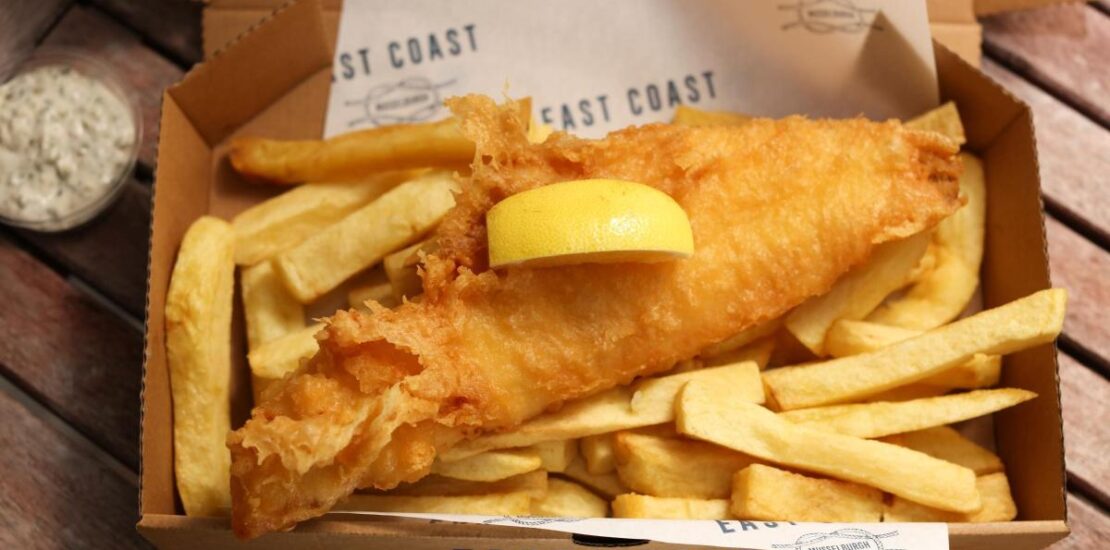
Many of us enjoy the classic comfort of fish and chips, but rising costs are putting pressure on these iconic shops. As a staple of British culture, the survival of fish and chip shops matters—not just for nostalgia, but also for local economies and job opportunities.
The Current State of Fish and Chip Shops
According to the industry body Seafish, there are around 7,210 fish and chip shops in the UK. However, these establishments are now facing serious challenges. The costs of essential ingredients like fish, potatoes, and cooking oil are increasing. Energy prices have also soared, making it tough for shop owners to maintain their operations. As a response, many are diversifying their menus. Some are adding dishes like kebabs, pizzas, or even masala fish to attract new customers or cutting down their menu options for more efficient service.
Jennifer Robson, the report’s author, emphasizes that this research aims to better understand the impact these shops have on local economies and communities. Not only are fish and chip shops a beloved food choice, but they also introduce consumers to a variety of seafood, from traditional cod and haddock to lesser-known types like plaice and pollock.
Embracing Change and Resilience
The National Federation of Fish Friers has expressed optimism regarding these findings. The organization’s president, Andrew Crook, mentioned that the report helps in assessing the value of the fish and chip sector to the economy. He highlighted the sector’s resilience and the adaptability of fish and chip businesses.
Despite facing challenges, these shops are evolving to meet changing consumer preferences and operating conditions. They continue to preserve a culinary tradition that is a vital part of British culture. Crook’s insights suggest that while external pressures exist, the industry is not just surviving; it’s adapting.
Menu Trends and Consumer Preferences
The report also details which seafood products are most popular among consumers. Items like cod, haddock, scampi, and fishcakes top the list. Interestingly, haddock is particularly favored in Scotland, and regions such as Yorkshire and the Midlands, while cod remains the go-to choice in other parts of the UK.
Consumer preferences are shifting, and these changes are prompting shop owners to rethink their menus. By including new dishes alongside traditional offerings, fish and chip shops are aiming to retain customer loyalty while attracting a broader audience.
Looking Forward
As this industry evolves, it highlights a broader theme relevant to many businesses today: the need to adapt to changing conditions. Outdated practices can lead to decline, while those willing to innovate can find new paths to success.
The future of fish and chip shops will depend on their ability to balance tradition with modern demands. For the health of local economies, it is crucial that these restaurants find ways to thrive in a demanding marketplace.
What this means for you
For consumers, the evolution of these shops means more variety and potentially better prices as competition increases. If you ever need to review menus or service agreements at local eateries, legal-document-to-plain-english-translator/”>AI legalese decoder can translate it into plain English in seconds.
Need to decode legal language? Try the free AI Legalese Decoder — no registration required.

 ****** just grabbed a