
U.S.-Iran Talks Halt for Ayatollah’s Funeral Amid Claims of Progress
- July 2, 2026
- Posted by: Alex Reed
- Category: Related News
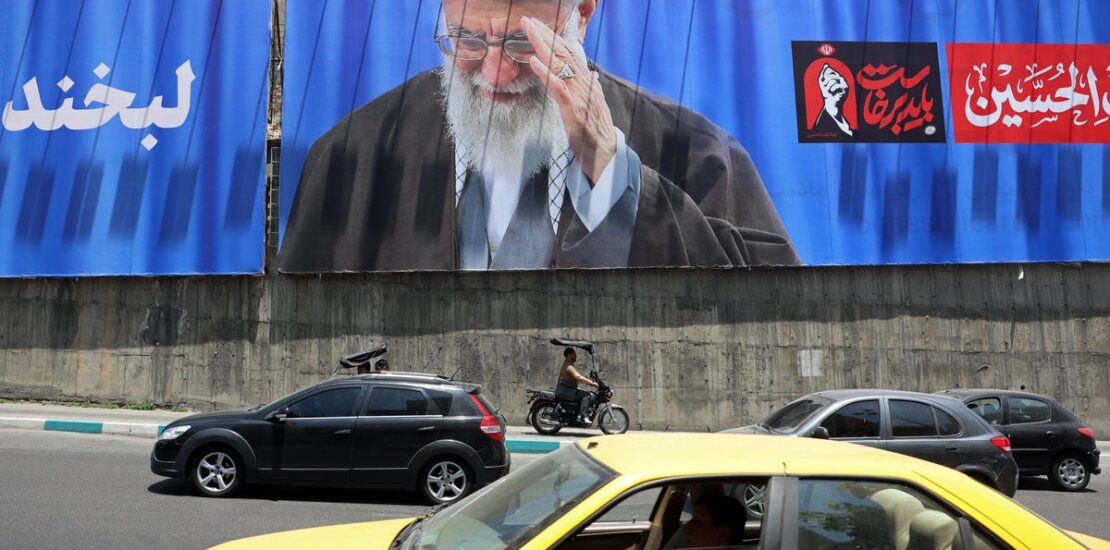
With ongoing negotiations between the U.S. and Iran, many wonder how these talks impact everyday life. Understanding international agreements can seem distant, but they shape everything from gas prices to global trade.
Negotiations on Pause
The recent indirect negotiations between the U.S. and Iran have hit a pause as the world watches the funeral of Iran’s slain supreme leader, Ayatollah Ali Khamenei. Although these talks were intended to formally end conflicts in the region, several questions remain unanswered. Central to this discussion is the memorandum of understanding (MoU) signed less than a month ago. This agreement aims for both sides to come to a conclusion within a maximum of 60 days, a timeline that can be extended if both parties agree.
However, the start of the countdown for these negotiations is unclear. Eric Lob, a nonresident scholar with the Carnegie Middle East Program, suggests that Iran believes the 60-day clock began in mid-June, right after signing the MoU. The timing is crucial; Iran hinted at imposing tolls on vessels in the Strait of Hormuz as early as mid-August, which would occur after this 60-day period. This situation raises significant concerns as it relates to commercial shipping and international trade.
What Happens Next?
Negotiators from both the U.S. and Iran have only met twice since the MoU was signed on June 18. The first meeting occurred in Switzerland, followed by a brief session in Qatar. However, it is still unclear how these meetings will be factored into the 60-day countdown. Are both countries only counting those two days of negotiations, or are they factoring in the full 14 days since the MoU? This ambiguity adds another layer of complexity to the discussions.
Lob also points out that if negotiations must adhere to the terms of the MoU—like prohibiting Iran from collecting fees from ships during the talks—this could lead to Iran counting down the days regardless of the actual progress made in discussions. This could bolster Iran’s leverage, allowing it to adapt its strategy according to its own timeline.
The Stakes Involved
One of the main goals of the MoU is to fully reopen the Strait of Hormuz, a crucial waterway for international shipping. The region has been troubled by clashes between Iran and other nations, disrupting supply routes and impacting global markets. Enduring instability here can result in rising oil prices that affect consumers everywhere.
Lob highlights a critical point: a tighter negotiation timeline could actually benefit Iran. By formalizing control over the Strait more quickly, Iran might gain financial advantages, helping alleviate some of the economic challenges the country faces. The outcome of these discussions could have broad implications for international relations and economic conditions worldwide.
What this means for you
These negotiations may feel remote, but they can directly influence market stability and your daily expenses. Rising oil prices and shipping costs always trickle down to consumers. If you ever need to review a lease agreement or any legal contract, legal-document-to-plain-english-translator/”>AI legalese decoder can translate it into plain English in seconds. Being informed about these issues helps you better navigate potential changes in your financial landscape.
Need to decode legal language? Try the free AI Legalese Decoder — no registration required.
Source: https://www.cbsnews.com/live-updates/us-iran-war-trump-negotiations-pause-ayatollah-funeral/

 ****** just grabbed a