
Stun Drones: The Future of Law Enforcement Technology Revealed
- July 2, 2026
- Posted by: Alex Reed
- Category: Related News
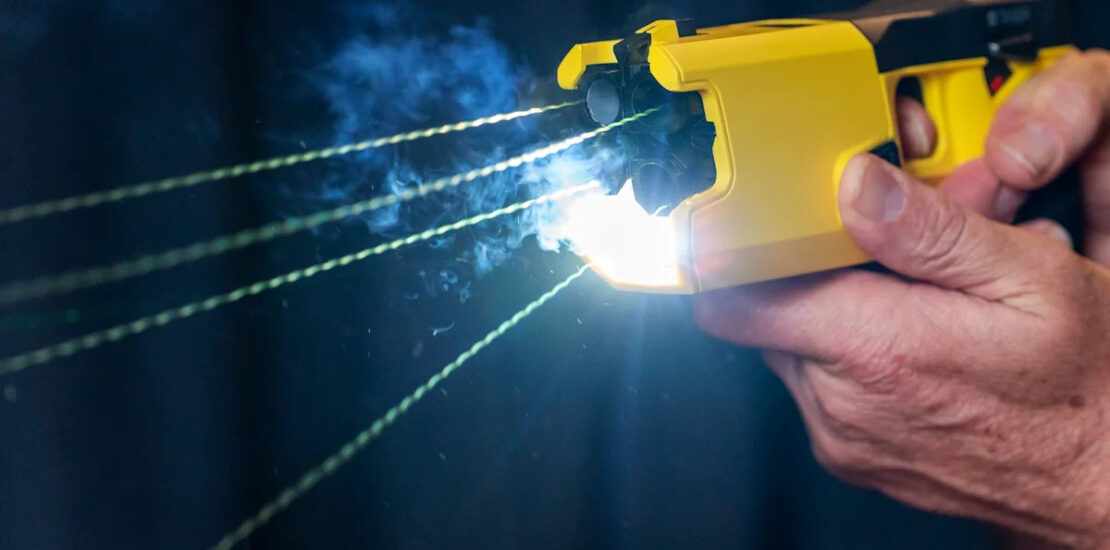
Drones are rapidly transforming how law enforcement operates, with the potential to change public safety. If you’re curious about how these technological advancements could affect you and your community, it’s time to pay attention.
The Future of Drones in Law Enforcement
According to Rich Smith, co-founder of Axon, the future holds significant changes for police work. He recently discussed the advancement of drones capable of halting criminal activities. Currently, drones are primarily used for surveillance, providing real-time footage and situational awareness during incidents. However, Smith mentions ongoing research and development that aims to give drones the ability to intervene directly in threatening situations.
Axon, originally founded in 1993 under the name Air Taser, has evolved from its humble beginnings in a Tucson garage. Motivated by personal tragedies, such as the loss of two high school friends to a violent incident, the founders sought to create ways to incapacitate threats without resorting to lethal methods.
With the vision of redefining non-lethal force, Smith collaborated with the inventor of Taser technology to develop new solutions. Today, Axon is not just a manufacturer of stun devices, but also a leader in a suite of law enforcement technologies, including body cameras, drones, and training tools that utilize virtual reality.
Company Growth and Capabilities
Axon has seen substantial growth over the years, particularly after it went public in 2001, which helped it avoid potential bankruptcy. In 2017, the company rebranded itself as Axon to signify its broader focus on technology beyond Tasers. Now worth billions, Axon offers a variety of products designed to enhance the operational efficiency of law enforcement agencies.
Today, Axon’s product range includes body cameras, fixed surveillance systems, and drones equipped for monitoring situations. The company aims to improve the safety of both the public and law enforcement personnel. In a notable acquisition in 2024, Axon purchased Dedrone, a leader in airspace security technology, for approximately $391 million. This move reinforces Axon’s commitment to fortifying law enforcement capabilities with advanced technologies.
Ethical Considerations in Drone Technology
As technology advances, ethical questions arise, particularly concerning the use of non-lethal drones. Smith emphasizes that Axon has no intention of developing drones that can cause lethal harm. Instead, the company focuses on innovative solutions that can diffuse dangerous situations without fatalities. This reflects a pivotal shift in how law enforcement views its role in society—aiming to prevent loss of life, rather than just responding to incidents.
Smith points out the importance of finding alternatives to deadly force, making it clear that while lethal drones could have a place in future discussions, Axon is committed to non-lethal approaches. This perspective may reshape public perception of drone usage among law enforcement, promoting confidence in technology designed to protect rather than harm.
What This Means for You
The development of drones in law enforcement could lead to safer communities and better emergency responses. It’s crucial to stay informed about how new technologies impact our daily lives. Additionally, if you ever need to review documents, like waivers or privacy policies related to this technology, legal-document-to-plain-english-translator/”>AI legalese decoder can decode the fine print into plain English in seconds. Understanding these changes can help you advocate for transparency and accountability in your local law enforcement practices.
Need to decode legal language? Try the free AI Legalese Decoder — no registration required.

 ****** just grabbed a