
Trump explores Spirit Airlines takeover with plans to resell the carrier
- April 23, 2026
- Posted by: Alex Reed
- Category: Related News
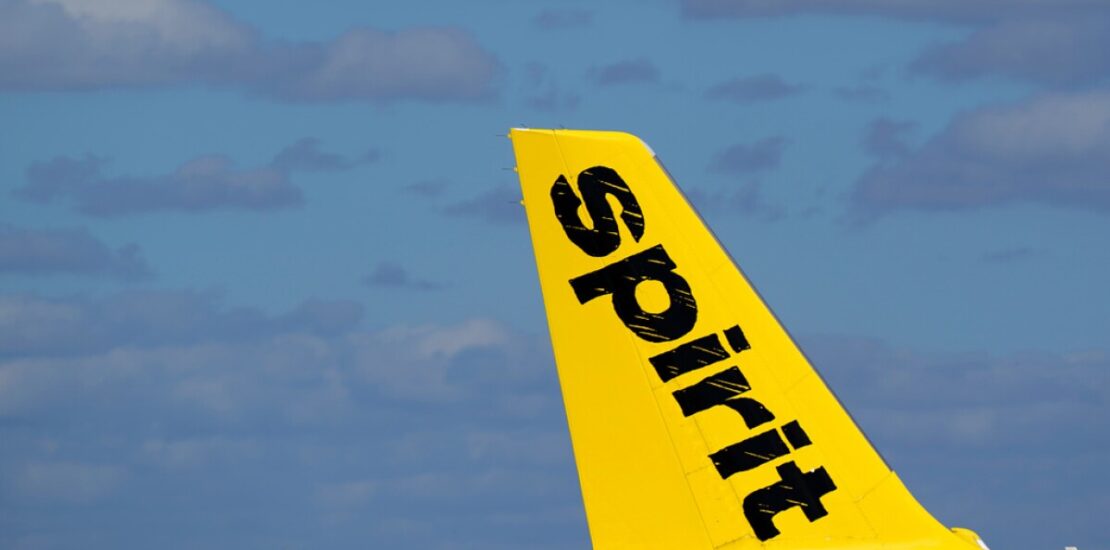
President Donald Trump has expressed interest in a potential government takeover of Spirit Airlines, aiming to resell the budget carrier after oil prices decrease. This situation matters because it could impact airline jobs, ticket prices, and the travel experiences of many Americans.
Government Assistance for Spirit Airlines
Recently, Trump confirmed that the U.S. government is in discussions to help Spirit Airlines emerge from Chapter 11 bankruptcy. A lawyer for Spirit mentioned in court that the airline is exploring a financing deal to support its recovery. Trump believes that Spirit has valuable aircraft and assets that could lead to a profitable resale once oil prices drop.
He described his intentions while speaking at an event in the Oval Office. “I’d love to be able to save those jobs,” Trump stated. The airline’s recent struggles have been compounded by rising fuel costs, attributed to the ongoing Iran conflict. Because of these difficulties, creditors are worried about Spirit’s future.
The airline has faced financial troubles for years, filing for Chapter 11 protection multiple times. With recent events, many wonder if a government intervention could help stabilize Spirit Airlines or lead to more significant issues in the airline industry.
The Controversy of a Bailout
Speculation about a government bailout has sparked debate among lawmakers and officials. Transportation Secretary Sean Duffy raised concerns about setting a precedent for government assistance to airlines. He warned that supporting Spirit could lead to other airlines demanding similar help in crisis situations.
Opposition has come from both sides of the aisle in Congress. Some believe that if Spirit’s creditors doubt its future profitability, the government might not fare any better. On social media, Senator Ted Cruz wrote that a deal would be a “terrible idea,” emphasizing concerns over taxpayer money being used to support a struggling airline.
The resistance to the bailout contrasts with the views of labor unions representing Spirit’s pilots. They are in favor of a deal, viewing Spirit’s low-cost options as crucial for many Americans seeking affordable travel.
Understanding the Financial Situation
Spirit Airlines has been in and out of bankruptcy, and its recent Chapter 11 filing in 2024 raised alarm. Lawmakers are divided on whether government intervention is the best route. Industry experts note that with rising fuel prices and a young fleet, Spirit’s situation could attract attention from potential buyers. However, previous attempts by other airlines to acquire Spirit have not succeeded.
Spirit’s bankruptcy has also put its assets under scrutiny. Details about the potential government support have not been widely shared. Reports suggest the financing assistance could amount to about $500 million, giving the government options for an ownership stake in Spirit. However, the terms remain uncertain.
The ongoing discussions about aiding Spirit Airlines highlight the complex web of financial challenges and political opinions surrounding American airlines. With so many factors at play, the future of Spirit hangs in the balance.
What this means for you
The fate of Spirit Airlines could affect ticket prices, job opportunities, and competition among airlines, which impacts everyone who travels. If you ever need to review a ticket’s terms and conditions, legal-document-to-plain-english-translator/”>AI legalese decoder can translate it into plain English in seconds. Understanding these documents can help you make informed travel decisions.
Need to decode legal language? Try the free AI Legalese Decoder — no registration required.

 ****** just grabbed a