
Art Directors Guild Responds to Martin Scorsese’s AI Promotion
- June 9, 2026
- Posted by: Alex Reed
- Category: Related News
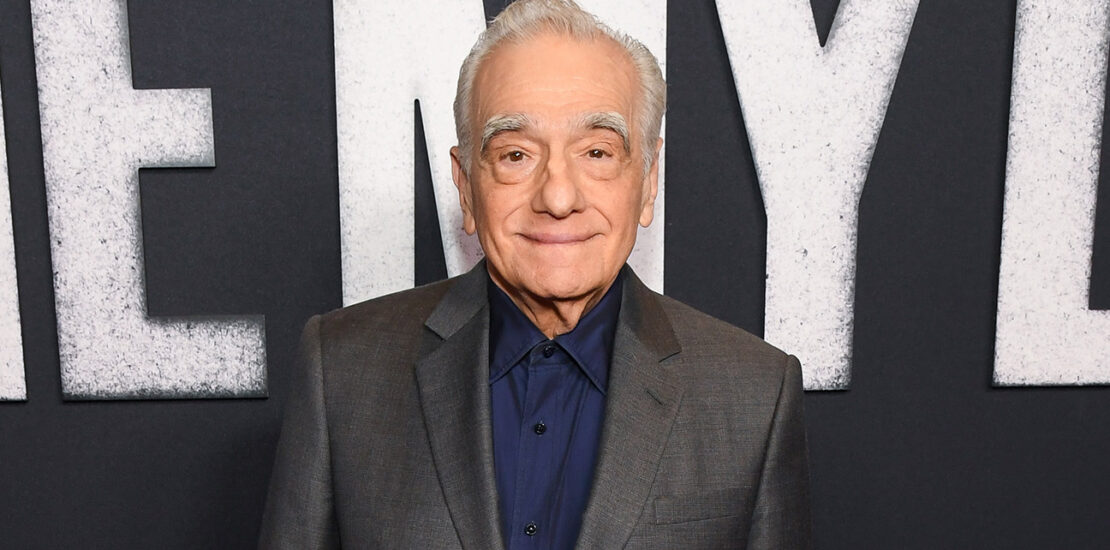
The tension between technology and traditional artistry has reached a boiling point in Hollywood. Notably, acclaimed director Martin Scorsese’s recent endorsement of an AI storyboarding tool is raising eyebrows in the film community.
The Controversial Promotion
Martin Scorsese, known for films like Killers of the Flower Moon, recently appeared in an ad for Black Forest Labs. In this promotional video, he showcased a new AI tool called FLUX that assists in storyboarding. Scorsese praised the technology for demonstrating "cinematic intelligence" and discussed how it could streamline the communication process between directors and their teams. However, this endorsement did not sit well with the Art Directors Guild (ADG), a labor group representing artists who create visual sequences for film.
The ADG published a statement expressing their discontent, suggesting that Scorsese’s promotion undermines the contributions of human artists who have collaborated with him throughout his career. They voiced concerns that using AI tools like FLUX could lead to job displacement within the creative community, particularly among storyboard and concept artists.
Artists Demand Recognition
The ADG highlighted a critical viewpoint: Scorsese’s partnership with an AI company evokes fears of replacing skilled professionals with technology. In their statement, they argued that while technology can enhance creativity, it should not replace the unique vision and expertise that human artists bring to the filmmaking process.
According to the ADG, the creative visuals in films are better achieved through collaboration among talented professionals, including art directors, graphic artists, and production designers. They feel that Scorsese’s embrace of AI tools effectively sidelines the very people who have helped him build his career.
Faced with recent challenges in the entertainment industry, the ADG is also grappling with declining membership and rising unemployment among its artists. Their concern highlights an urgent question: How will technology shape the future of artistic professions?
The Bigger Picture in Hollywood
The discussion around AI in filmmaking is not just about Scorsese or the ADG. The union represents a broad range of artists responsible for various aspects of visual storytelling. This includes storyboard artists, illustrators, and scenic designers—all crucial to the filmmaking process.
In recent years, many in the creative sector have voiced concerns about generative AI’s impact on job security. A 2024 study indicated that many artists feel threatened by technology that could replicate their creative skills. The growing presence of AI in Hollywood has sparked fears that automation might reduce the demand for human creativity in favor of efficient, machine-generated solutions.
The ADG’s response to Scorsese’s promotion paints a picture of a wider industry struggle. The balance between technology and artistry is delicate, and the stakes are high for those in creative roles.
Moving Forward
As the conversation surrounding AI in film continues, the ADG’s response serves as a call to action for both artists and filmmakers. They argue that technology should support rather than replace the human touch that has defined cinema for decades. Scorsese’s promotion of AI is a pivotal moment, highlighting an ongoing debate that could reshape the industry landscape.
In sum, the intricacies of using AI in the film industry reveal more than just concerns about job security—they raise questions about the very nature of artistry and collaboration in filmmaking.
What this means for you
Here are a few takeaways from this unfolding situation:
- The intersection of technology and artistry continues to evolve, impacting artists and directors alike. This relationship could affect how films are made and who gets to shape their vision.
- If you’re ever navigating the fine print of contracts related to employment or agreements with artists, AI legalese decoder can help translate it into plain English, ensuring you understand your rights.
- By being aware of these developments, you can better appreciate the role technology plays in the creative industries and how it might affect job opportunities in the future.
Need to decode legal language? Try the free AI Legalese Decoder — no registration required.

 ****** just grabbed a