
Trump announces partnership with Regeneron to cut drug costs
- April 23, 2026
- Posted by: Alex Reed
- Category: Related News
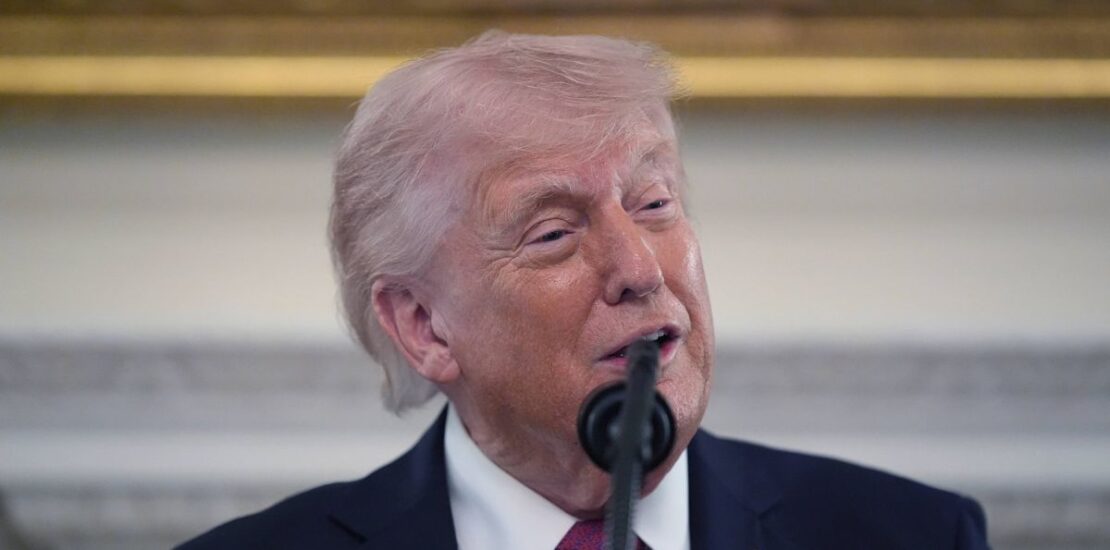
President Donald Trump’s latest announcement on lowering drug prices may seem like just another political promise, but it could directly affect how much you pay for essential medications. As healthcare costs continue to rise, initiatives aimed at reducing prices can have a real impact on family budgets across the country.
A New Deal with Regeneron
On Thursday, President Trump revealed a new agreement with the pharmaceutical company Regeneron. The deal focuses on lowering prices for current and future drugs offered through Medicaid. As part of the agreement, the cholesterol medication Praluent will be available for $225 on the White House’s discounted drug website, TrumpRx. This announcement was confirmed by White House press secretary Karoline Leavitt and reported by NOTUS.
This initiative is part of the administration’s broader “most-favored-nation” drug pricing policy. The goal is to ensure that U.S. pharmaceutical prices are on par with those in other developed nations. This is vital for American consumers facing high healthcare costs. With many struggling to afford everything from gas to groceries, any relief related to healthcare can make a significant difference.
Building Domestic Production
An additional aspect of the deal is Regeneron’s commitment to invest nearly $10 billion into bringing drug production to the United States. This investment could bolster the U.S. economy and create jobs, a consideration that resonates with many Americans ahead of the midterm elections. Trump’s administration historically links such commitments to tariff relief for companies that prioritize domestic production.
While these efforts have been presented as ground-breaking, the specifics of the agreements have yet to be released to the public. This lack of transparency has raised concerns and intrigued observers. Members of Congress have pressed for more information, and Health Secretary Robert F. Kennedy Jr. has indicated that his team will disclose relevant details that do not compromise proprietary or trade-sensitive information.
The Impact on Patients
For many patients, particularly those on Medicaid, the financial implications of these drug pricing agreements are significant. Currently, Medicaid recipients pay minimal co-payments for their prescriptions. However, the introduction of lower prices could ease the financial burden not just for individual patients, but also for state budgets responsible for funding these programs.
Pharmaceutical costs in the U.S. vary widely based on numerous criteria, including the level of market competition and the type of insurance coverage. Most Americans have some form of insurance—be it through employment, individual plans, or government programs like Medicaid and Medicare. Consequently, many patients experience a shield against the full, often overwhelming costs of medications. However, any reduction in drug prices is a step toward more affordable healthcare.
What this means for you
This agreement signifies a potential shift toward more accessible medication pricing, especially for those on Medicaid. Improvements in drug pricing can lead to healthier communities and lighter financial loads for families. If you ever need to review pharmaceutical or medical consent documents, legal-document-to-plain-english-translator/”>AI legalese decoder can translate them into plain English in seconds, ensuring you fully understand your rights and options.
Need to decode legal language? Try the free AI Legalese Decoder — no registration required.

 ****** just grabbed a