
Exploring the Mystery Behind Why There Are Only Three
- June 21, 2026
- Posted by: Alex Reed
- Category: Related News
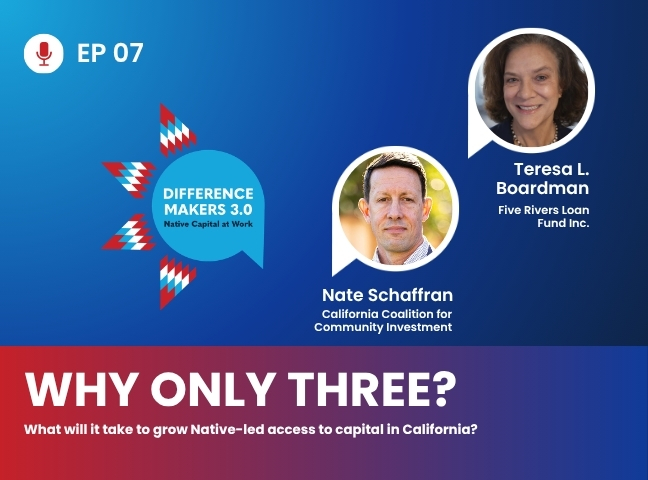
California hosts one of the largest networks of federally recognized tribes in the nation. Yet, when it comes to Native Community Development Financial Institutions (CDFIs), the state is underserved, with just three operating. This situation raises important questions about access to capital for Native communities and the potential for economic growth.
The State of Native CDFIs in California
California is home to 109 federally recognized tribes, highlighting a significant demographic that deserves financial representation. Despite this, the presence of Native CDFIs is strikingly low. Only three institutions currently serve the needs of Native tribes in a state ripe with opportunity.
During the California CDFI Summit in Sacramento, leaders from various sectors gathered to explore these issues further. Brian Edwards, the host of the podcast “Difference Makers 3.0,” spoke with Native CDFI Network CEO Pete Upton, who posed a critical question: “Why are there only three Native CDFIs in California?” This question drives the exploration of the challenges and opportunities facing these financial institutions.
Barriers to Access and Growth
The limited number of Native CDFIs in California signals a lack of access to crucial financial resources. In a recent podcast episode, conversations highlighted the need for a collaborative ecosystem, as emphasized by Jodi Fischer from the Native CDFI Network. She noted that it “takes an ecosystem” made up of funders, partners, and tribes to foster growth.
Experts like Nate Schaffran from the California Coalition for Community Investment pointed out the paradox: there’s a high demand for services, yet a glaring scarcity of institutions to provide them. This suggests that many communities remain underserved. The absence of financial resources not only impacts individuals but also stunts broader economic development within these communities.
The Role of Philanthropy in Growth
Philanthropy plays a crucial role in expanding the reach of Native CDFIs. Jessica Kaczmarek from The James Irvine Foundation stressed that “more investment and work from philanthropy” are essential for growing Native-led CDFIs. Without such support, existing institutions struggle to maintain operations, let alone expand their services.
The podcast discussions reveal a stark reality: the work of Native CDFIs is often urgent. Teresa Boardman from Five Rivers Loan Fund described the day-to-day situation as one where “everything’s an emergency.” This highlights not only the immediate need for financial resources but also the long-term vision for wealth building within these communities.
Building a Path Forward
Expanding the number of Native CDFIs and strengthening existing ones is critical for creating financial security in underserved communities. Schaffran pointed out that it requires a dual approach: bolstering the current institutions while also creating opportunities for new ones to emerge.
The path forward is not just about increasing numbers; it’s about creating meaningful relationships between funders, tribes, and community organizations. As these discussions continue, hopes are high that solutions will emerge to impact Native communities positively.
What this means for you
For everyday people, this situation underscores the importance of financial institutions that genuinely understand and serve their communities. If you ever need to review a financial document related to a loan or assistance program, legal-document-to-plain-english-translator/”>AI legalese decoder can translate it into plain English in seconds. Understanding what you’re signing can make a significant difference in your financial future.
Need to decode legal language? Try the free AI Legalese Decoder — no registration required.
Source: https://tribalbusinessnews.com/sections/finance/15655-podcast-why-only-three

 ****** just grabbed a