
Tropical Storm Arthur Causes Flooding and Evacuations in Gulf States
- June 19, 2026
- Posted by: Alex Reed
- Category: Related News
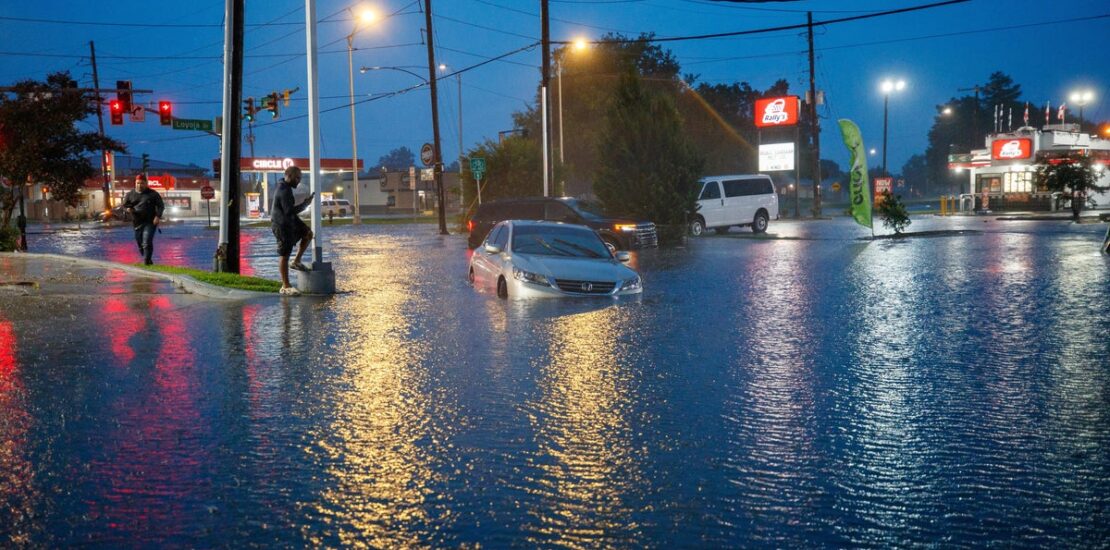
The recent impact of Tropical Storm Arthur serves as a reminder of the power of nature and its ability to disrupt lives, even in places accustomed to heavy rainfall. For everyday people, understanding how these storms affect communities is crucial for preparedness and safety.
Overview of the Storm’s Impact
Tropical Storm Arthur made its presence felt across the southeastern United States, especially in Louisiana and Mississippi. Although it was quickly downgraded, it unleashed catastrophic conditions, particularly in southern Louisiana. In an area of Avoyelles Parish, over two feet of rain fell in just 48 hours, with most of that downpour arriving on a single day. This extreme weather led to widespread flooding, affecting homes and causing rescues, as authorities scrambled to help those in need.
In Perkinston, Mississippi, the rainfall was so intense that it trapped people in a local campground. Rescuers worked tirelessly, using canoes to assist individuals stranded in their RVs, cars, and mobile homes. With up to ten inches of rain recorded in just a few hours, many residents found themselves racing against time as floodwaters surged around them.
Rescue Operations and Community Response
Authorities faced immense challenges throughout the storm’s aftermath. By Thursday evening, local officials reported about 38 people had been rescued from perilous circumstances. Thankfully, there were no serious injuries or fatalities reported initially, although one worker lost their life while assisting with storm cleanup operations in Mississippi.
As rising waters raised concerns about the safety of neighborhoods, evacuations were ordered in areas near the Anchor Lake dam. Residents were urged to seek higher ground to avoid being caught in life-threatening floods. The National Guard and state officials coordinated rescue efforts alongside local emergency services.
In Houma, Louisiana, Coni Dubois described how several inches of water infiltrated her home. The memories of thunder and lightning during the storm left her in awe and fear, recalling how it felt like the sky had opened up above them. The community, already familiar with storms, was unprepared for the unexpected intensity of Arthur’s onslaught.
Extreme Weather Patterns
This storm is just one example of shifting weather patterns affecting the region. In Avoyelles Parish, meteorologists confirmed there were at least four tornadoes, contributing to existing destruction. The rapid rainfall prompted extraordinary responses from locals, including heroic acts to rescue stranded animals and people.
As business owners and residents attempted to regain normalcy, challenges remained. Cody Coco, who runs a cypress sawmill, described his efforts to rescue workers who were wading through waist-deep water, as well as his four pigs who narrowly escaped drowning. His story resonated with many as it showcased the bond between communities and their resilience in the face of natural disasters.
New Orleans Mayor Helena Moreno noted that, largely, her city experienced minor damage thanks to preemptive measures, including barricades and emergency preparations. However, several homes were destroyed just across the river in Avondale due to a tornado, leading to more evacuations and community distress.
Community Preparedness and Future Considerations
As communities look ahead, the events surrounding Tropical Storm Arthur serve as a valuable lesson. Families and individuals should remain aware of emergency protocols, flood zones, and local resources available in times of crisis. Early preparation can greatly reduce risks and improve safety for everyone involved.
Local governments and emergency services are recognizing the need to enhance infrastructure and coordination in preparation for future storms. Algorithms have been developed to better predict extreme rainfall events, allowing for more efficient resource deployment during emergencies.
What this means for you
For individuals living in storm-prone areas, it’s essential to understand your local emergency procedures and make preparedness plans. If you ever need to review your insurance policies or liability waivers related to such storms, legal-document-to-plain-english-translator/”>AI legalese decoder can help you decode the fine print in seconds. Stay informed, stay safe, and be ready for unexpected weather events.
Need to decode legal language? Try the free AI Legalese Decoder — no registration required.
Source: https://www.cbsnews.com/news/tropical-storm-arthur-gulf-states-flooding/

 ****** just grabbed a