
Tribes aim to use Farm Bill to enhance food access and culture
- July 3, 2026
- Posted by: Alex Reed
- Category: Related News
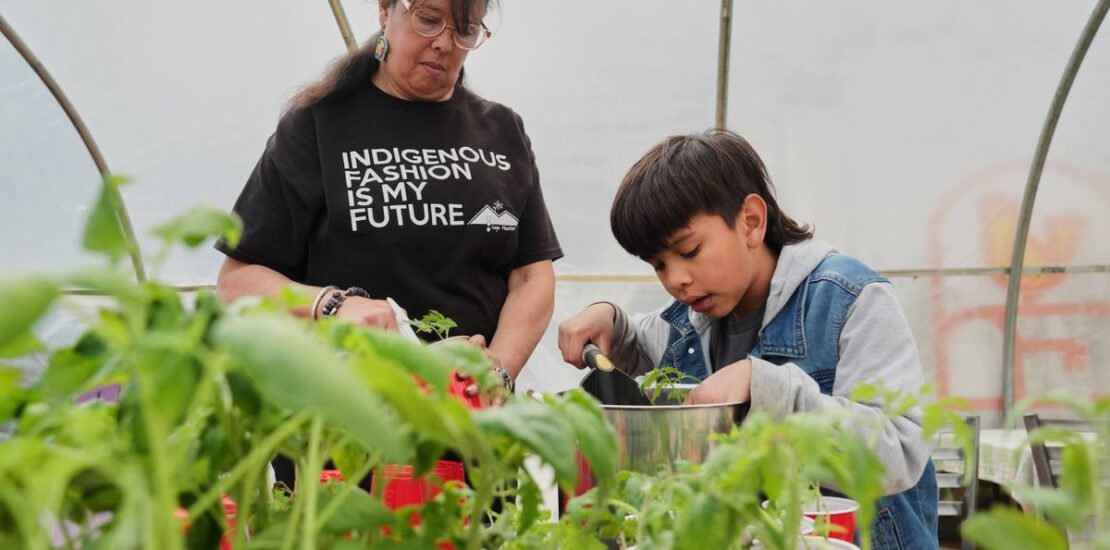
At Ashawaug Farm in Rhode Island, a couple is working hard to preserve their Indigenous agricultural heritage. This story highlights the struggle of small farmers trying to access financial support to keep local food traditions alive—something that impacts everyone who values fresh, culturally rich food options.
Striving to Preserve Heritage
Dawn and Cassius Spears cultivate three Narragansett heritage crops: white corn, succotash beans, and crookneck squash. Their mission goes beyond farming; they aim to keep their cultural identity alive through agriculture. However, expanding their farm’s reach is challenging, especially since numerous federal programs that helped tribal farmers have seen cuts or reductions.
Many small food producers rely on financial assistance to continue their work. Cassius Spears expressed frustration over the instability of these programs. “They usually start out with a good song and dance,” he noted, referring to the hopeful beginnings often followed by budget cuts and reduced support. This inconsistency has serious implications for tribes relying on these programs to access and distribute culturally significant foods.
New Opportunities Amid Setbacks
In response to food access challenges, the Biden administration introduced initiatives designed to help state and tribal governments purchase local foods from nearby farmers. Two significant programs—the Local Food Purchase Assistance and the Local Food for Schools Cooperative Agreement programs—were launched during the pandemic. These initiatives have provided reliable markets for tribal farmers like the Spears, allowing them to sell their crops directly to local food banks and schools.
Carly Griffith Hotvedt, the executive director of the Indigenous Food and Agriculture Initiative, emphasized the importance of these programs. They not only provide funding for local agriculture but also allow tribes to source culturally relevant foods for their communities. The Spears’ farm has contributed to a tribal farm in Connecticut, demonstrating the far-reaching benefits of these federal funds.
Unfortunately, under the previous administration, these programs were cut, ending more than $1 billion in assistance for schools and food banks. This loss means diminished access to healthy and nutritious foods, particularly for low-income families.
Legislative Changes on the Horizon
In light of these setbacks, Senator Jack Reed of Rhode Island and Senator Jim Justice of West Virginia have proposed new legislation aimed at creating a permanent grant program. This proposal seeks to bridge the gaps left by the terminated programs, allowing more reliable funding sources for local farmers.
The legislation aims to ensure that state and tribal governments can continue purchasing local foods for hunger relief programs and schools. Both the House and Senate versions of the Farm Bill include provisions that will prioritize farmers and set aside 10% of funding specifically for tribal producers. As Reed points out, having guaranteed funding is crucial for these farmers, providing stability they desperately need in an unpredictable economy.
Hannah Quigley from the National Sustainable Agriculture Coalition echoed Reed’s concerns, stressing that a mandatory funding model would significantly help to alleviate pressures on farmers, allowing them to plan better and provide for their communities.
Building a Future for Indigenous Agriculture
Dawn and Cassius Spears also envision a future where Indigenous producers are prioritized when tribal entities make food purchases. They believe dedicated programs can support more Indigenous farmers. As Dawn shared with her grandson while planting tomatoes, it’s essential to teach the next generation about responsible agricultural practices and the importance of their cultural heritage.
One of their farm’s key goals is not just to cultivate crops but to reconnect people to the land and wild food sources. Dawn is working to protect surrounding land from development and hopes to increase access to native plants for foraging. She believes that staying connected to their roots is vital for community well-being. “If you take a person away from the land that they come from, then it’s like they’re not whole,” she said.
What this means for you
This story illustrates the significance of local food production and the challenges faced by small farmers. Understanding the intricacies of funding and food programs can empower you as a consumer. If you ever need to review agricultural contracts or local food purchasing agreements, legal-document-to-plain-english-translator/”>AI legalese decoder can help translate it into plain English in seconds.
Need to decode legal language? Try the free AI Legalese Decoder — no registration required.

 ****** just grabbed a