
Museum of American Finance Launches in Boston: What to Expect
- July 3, 2026
- Posted by: Alex Reed
- Category: Related News
The reopening of the Museum of American Finance in Boston is more than just a new exhibit; it represents a fresh opportunity for the public to engage with financial education. This is especially important as many Americans face economic challenges and may feel overwhelmed by concepts of money and finance.
A New Home for Financial History
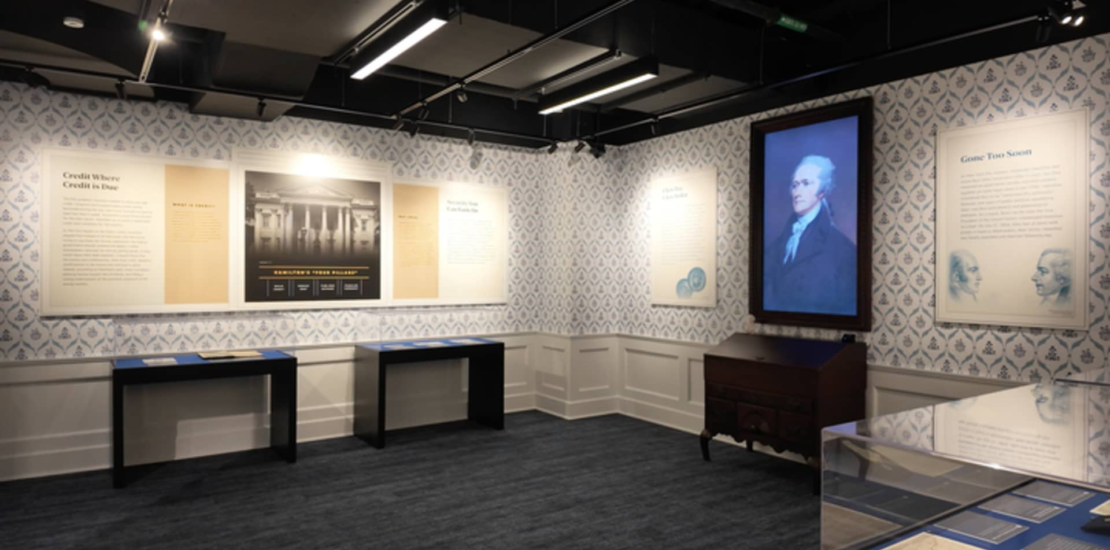
After nearly ten years without a permanent location, the Museum of American Finance has opened its doors at Commonwealth Pier in Boston. This 5,400-square-foot space serves as the museum’s new headquarters and marks the first time it has a permanent address since it vacated its 48 Wall Street location in New York in 2018, following a flood. The museum is a Smithsonian Institution affiliate and has launched seven exhibits, including an innovative one that incorporates artificial intelligence to create an interactive experience with Alexander Hamilton, the first U.S. Secretary of the Treasury.
Visitors can ask this AI-generated version of Hamilton about various topics, including financial principles and even everyday scenarios, like the concept of compound interest explained through soccer. This interactive feature promises to make history more engaging for everyone, allowing them to experience financial education in a more personal way.
Making Financial Concepts Accessible
As guests enter the museum, they’ll first encounter the "America in Circulation" exhibit, which showcases the evolution of U.S. currency, from the oldest coins to modern paper bills. According to Kristin Aguilera, the museum’s deputy director, starting with a familiar topic like money allows everyone to relate and engage more easily.
This exhibit features interactive touchscreens where guests can zoom in on the details of historical bills and coins. Among the items displayed are pine tree shillings from 1652 and 18th-century paper currency. Financial historian Rahul Arora emphasizes the artistic significance of currency, suggesting that even in an increasingly digital world, appreciating the history behind money is crucial.
Educating a Nation on Financial Literacy
In an effort to democratize financial education, the museum offers free admission, ensuring that anyone interested can learn more about money matters. The timing couldn’t be more pertinent, as many Americans express increasing anxiety about the national deficit and overall financial stability. Recent polls show that a significant percentage of Americans view the federal deficit as a major issue.
Richard Sylla, a professor emeritus of economics, describes the museum’s mission not only as a vehicle for historical education but also as a hope for the future. He believes that financial understanding is essential, especially when past mistakes can teach valuable lessons about present economic conditions.
The museum includes several exhibits that offer a broader context, such as “A Financial Revolution,” highlighting the origins of the U.S. financial system, and “The Future of Finance,” which discusses innovations like blockchain and cryptocurrency.
Empowering Visitors with Practical Skills
The final exhibit, "Personal Finance," aims to empower visitors with practical skills for better financial management. This section compiles lessons from the other galleries to give attendees actionable tools for their personal finances. Bob Pisani, a former CNBC correspondent, emphasizes that principles of financial literacy can have a direct impact on personal well-being. Learning to budget wisely at the individual level mirrors the complexities faced by government budgets.
As visitors navigate through the exhibits, they gain insights not just into the past but also into how to make informed decisions about their financial futures. The overarching goal is to help individuals understand how to manage their money wisely, an essential skill in today’s rapidly changing economic environment.
What this means for you
The Museum of American Finance’s reopening provides everyone with a chance to learn vital financial concepts that can lead to better personal finance decisions. Understanding these principles can help you manage your budget more effectively. If you ever need to review personal finance documents, such as loan agreements or credit terms, legal-document-to-plain-english-translator/”>AI legalese decoder can translate it into plain English in seconds. This empowers you to take control of your financial future.
Need to decode legal language? Try the free AI Legalese Decoder — no registration required.
Source: https://www.cnbc.com/2026/07/03/the-museum-of-american-finance-opens-its-doors-in-boston.html

 ****** just grabbed a