
Sultan of Oman Reassures UK on Strait of Hormuz Security Issues
- July 2, 2026
- Posted by: Alex Reed
- Category: Related News
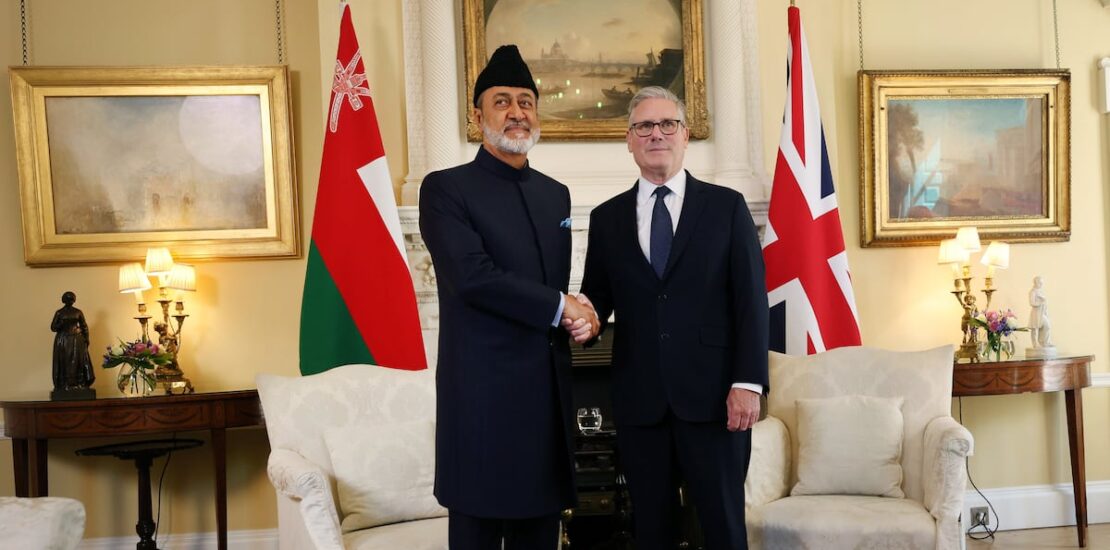
Sultan Haitham of Oman recently held significant discussions with UK Prime Minister Keir Starmer about ensuring free passage through the Strait of Hormuz, a vital waterway for global energy exports. This conversation matters to everyone because the Strait is a major route for oil shipments, and any disruptions could impact fuel prices and energy availability worldwide.
The Importance of the Strait of Hormuz
The Strait of Hormuz plays a crucial role in the global economy. Approximately 20% of the world’s oil passes through this narrow waterway. As nations navigate heightened tensions in the region, discussions surrounding tolls and regulations for ships traveling through the strait are pressing. These changes can affect shipping costs, which could ultimately trickle down to consumers in the form of higher prices.
During the meeting, the Prime Minister emphasized the need to restore freedom of navigation. A statement from Downing Street noted that Oman’s cooperation is essential in maintaining safe passage for ships and ensuring their security. Notably, Oman has a history of balancing relationships with both Western countries and Iran, striving to uphold international maritime laws despite pressures from both sides.
Potential Changes to Shipping Regulations
UK officials have called for immediate action to restore the rights to transit passage in the Strait, in line with international law. This not only aligns with legal standards set by the United Nations but is seen as a pathway to stability in the region. The Prime Minister’s office stressed this point, underlining the importance of eliminating any potential threats or unlawful fees that could hinder commercial shipping.
James Kariuki, the UK’s deputy ambassador to the UN, expressed the necessity for a violence-free environment within the Strait. He reiterated the UK’s commitment to maintaining safety in the area through a multinational military mission–a collaborative effort with France to protect commercial shipping interests.
Lessons from the Malacca Strait
Oman is looking at the Malacca Strait as a possible model for managing the Strait of Hormuz. The Malacca Strait, which connects the Pacific and Indian Oceans, has a loose management system involving nearby countries like Singapore and Malaysia. These nations charge ships for navigation and security services, which helps fund safe passage.
However, Oman’s situation is complicated. Iran’s acceptance is crucial for any voluntary system to be effective. If a similar framework were adopted in the Strait of Hormuz, it could provide a balanced solution, allowing for both security and economic stability in the region.
Despite recent peace agreements between the U.S. and Iran, tensions remain. After these discussions, commercial shipping through the Strait of Hormuz has increased. As oil flows resume, this adjustment is vital for traders and consumers alike, as it affects pricing and availability.
What this means for you
The discussions on toll-free passage through the Strait of Hormuz could directly impact energy prices and the flow of goods worldwide. If you ever need to review shipping terms or contracts related to this issue, legal-document-to-plain-english-translator/”>AI legalese decoder can translate them into plain English in seconds. Understanding these agreements helps consumers stay informed about potential changes that may affect their daily lives.
Need to decode legal language? Try the free AI Legalese Decoder — no registration required.

 ****** just grabbed a