
Experts believe World Bank’s climate initiatives can thrive without finance target
- July 3, 2026
- Posted by: Alex Reed
- Category: Related News
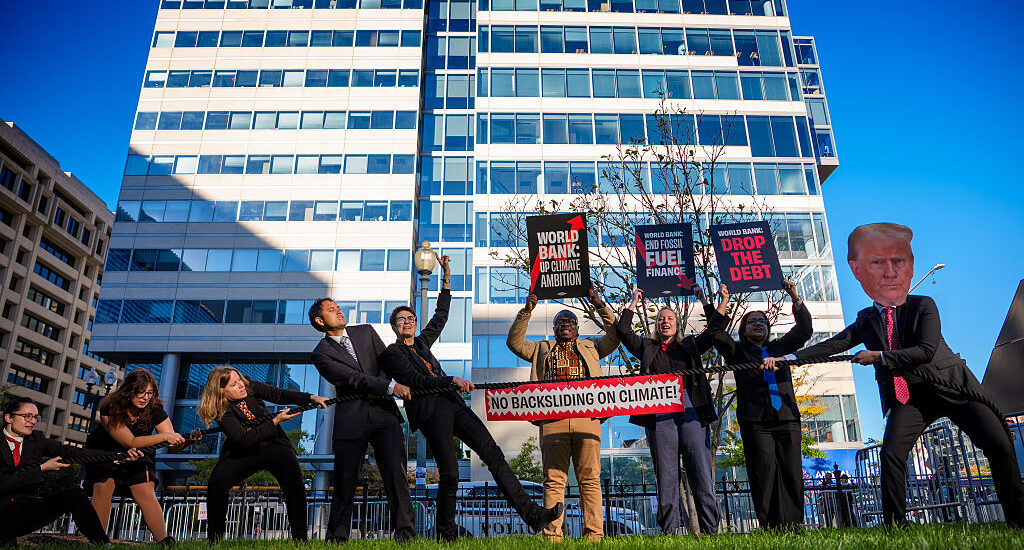
The recent decision by the World Bank to drop its primary climate finance target has significant implications for global efforts to combat climate change. This shift could affect the funding available for vital projects aimed at making our world’s most vulnerable communities more resilient to climate impacts.
World Bank’s Climate Shift
The World Bank announced this week that it will no longer commit to a target of directing 45% of its financing to climate-related projects. This decision comes after considerable pressure from the Trump administration and negotiations with its government stakeholders. While the World Bank has successfully met this target in the past, experts argue that the broader Climate Change Action Plan (CCAP) remains intact, which may still support clean energy initiatives and aid developing nations in their resilience efforts.
Danny Scull, a senior policy advisor at E3G, remarked that the outcome could have been worse. He indicated that despite not achieving the most ambitious goal, the prospects for climate financing are still promising. Since the launch of the CCAP in 2021, the World Bank has nearly doubled its climate finance, reaching $39.2 billion by 2025. Nearly half of its financing currently reflects climate benefits, exceeding the original goal set at COP28.
Pressure from the U.S. Government
Tension arose as the U.S., the largest shareholder of the World Bank, pushed for an end to the climate finance program. U.S. Treasury Secretary Scott Bessent expressed support for allowing the plan to expire, arguing that it hindered the bank’s focus on other crucial areas. However, during tough negotiations, American leadership found itself in the minority, as many European governments and a coalition of developing nations insisted on maintaining the CCAP.
Countries like China, Brazil, and Russia rallied to keep the program alive. They emphasized the necessity of extending the CCAP while also calling for an independent review. This coalition contributed to the U.S. moderating its demands, making a compromise more feasible.
Emphasis on Outcomes, Not Targets
Following the announcement, the World Bank stated it would shift from a focus on financing amounts to measuring outcomes. This includes assessing greenhouse gas emissions avoided and the number of people better protected from climate-related risks. UK Development Minister Jenny Chapman described this focus on outcomes as a crucial step for effective climate action.
Despite scrapping the headline target, the World Bank still expects various entities within its organization to meet their own climate finance goals. For example, the International Development Association (IDA) aims to allocate 45% of its funding to climate-related activities until 2028. Experts like Joe Thwaites from the Natural Resources Defense Council believe that these targets can help sustain significant climate investments and respond to the needs expressed by client countries.
Looking Ahead
The World Bank’s role in providing climate finance remains essential as wealthy nations strive to meet their commitments to support developing countries financially. The new UN climate goal, agreed upon at COP29, sets an ambitious target of $300 billion yearly by 2035. This means that the bank must continue to perform at high levels in financing climate-related activities.
Even with the recent shift, some experts anticipate that climate financing will remain stable in the short term. This decision appears to be an attempt to ease U.S. pressure while still maintaining some commitment to climate objectives.
What this means for you
For individuals, this shift could affect future government funding for climate resilience projects in your community. Changes in financial support might impact local initiatives focused on clean energy and climate adaptation.
If you ever need to review employment contracts or other important documents, AI legalese decoder can translate them into plain English in seconds.
Need to decode legal language? Try the free AI Legalese Decoder — no registration required.

 ****** just grabbed a