
Starmer to Unveil ‘Australia Plus’ Social Media Ban for Minors
- June 14, 2026
- Posted by: Alex Reed
- Category: Related News
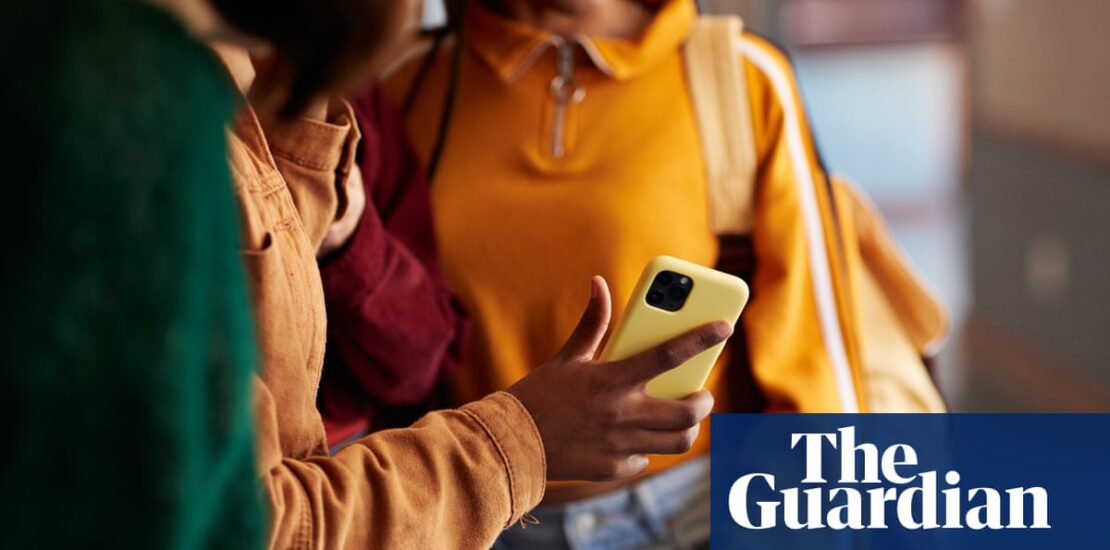
Keir Starmer’s recent proposal to impose strict social media bans for those under 16 could reshape how young people engage with digital content. This move aims to protect teenagers from harmful online experiences, and it could have implications for all of us, especially parents concerned about their kids’ wellbeing online.
Understanding the Proposed Ban
The UK government plans to prevent children under 16 from using major social media platforms such as TikTok, Instagram, and X. This initiative, referred to as “Australia plus,” is designed to shield teenagers from addictive online patterns, like infinite scrolling, as well as unwanted contact with strangers. Additionally, older teens—those up to 18—will face new rules restricting their use of these platforms late at night, specifically prohibiting scrolling after 8:30 PM.
Government sources have emphasized that the main goal of these regulations is to protect young minds from online dangers. The ban would also prevent those under 18 from accessing romantic and sexual AI chatbots, ensuring a safer online environment for youth. The straightforward message from government officials is clear: “There are no half measures here.”
Legislative Approach
To enforce this sweeping ban, the government might need to introduce new legislation. They have some authority under the Children’s Wellbeing and Schools Act, but the desire for flexibility in adjusting to new technologies is prompting a closer look at the law. This reflects a growing concern about the impact of social media on children.
For reference, Australia has already enacted a similar ban on under-16s across multiple platforms, including the likes of Facebook, YouTube, and Snapchat. UK officials indicate that they may adopt comparable measures, targeting an extensive list of social platforms to restrict access for younger users.
Support from Parents and Teens
Recent surveys reveal strong backing for these measures. About 90% of parents support a minimum age of 16 for social media access, citing concerns that restricting usage may lead to fewer children encountering inappropriate content. Two-thirds of young respondents also expressed that limiting certain high-risk features would enhance their safety online.
Culture Secretary Lisa Nandy has publicly stated that while restrictions won’t solve all issues related to online safety, they will contribute to better protection for young people. The government is seeking to strike a balance between allowing digital engagement while ensuring that minors are not exposed to environments that might be detrimental to their mental health.
Implications for Online Safety
Many campaigners have long argued for stronger enforcement of social media regulations to safeguard children’s wellbeing. In her statements, Nandy highlighted that while age-specific bans may not completely prevent young people from accessing social media, they can effectively reduce early exposure to these spaces.
This movement signals a broader acknowledgment of the challenges youths face in a digital age. With growing data linking social media use to mental health challenges, the demand for protective measures is becoming increasingly urgent.
What this means for you
This proposed ban serves as a reminder of the importance of keeping children safe in an ever-evolving online landscape. If you ever need to review terms of service or consent documents related to your child’s online activities, legal-document-to-plain-english-translator/”>AI legalese decoder can translate it into plain English in seconds. With increased regulations on social media, parents might find it essential to stay informed about what their children are encountering online.
Need to decode legal language? Try the free AI Legalese Decoder — no registration required.

 ****** just grabbed a