
US Business Owners Opt to Sell Their Companies to Employees
- June 14, 2026
- Posted by: Alex Reed
- Category: Related News
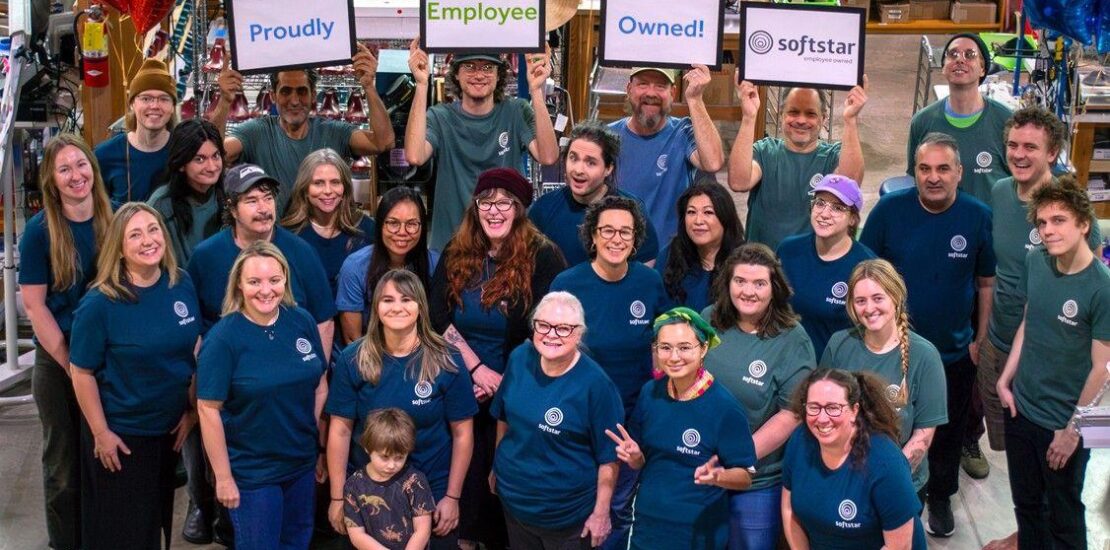
Staff at Softstar Shoes in Oregon are reshaping the meaning of ownership. By becoming co-owners, these employees not only secure their jobs but also take an active role in increasing profits and productivity, leading to a more engaged and motivated workforce.
Employee Ownership on the Rise
In January, the shoe company took a notable turn when its 30 employees became its new owners. Tricia Salcido, the former sole owner, initiated this change as she plans for retirement. At just 56, she wanted to ensure her life’s work continued sustainably. Salcido, who will remain with the company as chief financial officer for a few more years, has welcomed input from her newly empowered colleagues on various business aspects.
The trend of businesses transitioning to employee ownership is gaining momentum in the U.S. More owners are choosing to sell their businesses directly to staff rather than to outside buyers. According to a recent study, approximately 600 firms in the U.S. are now sold in this manner each year. Funding to support these transitions surged significantly, indicating a growing interest in keeping businesses in the hands of employees who truly care about their livelihoods.
The Benefits of Employee Ownership
Transitioning to employee ownership, like what Softstar Shoes did, can lead to several advantages. Research shows that companies owned by employees tend to be more productive and offer higher wages. Moreover, with shared risks and rewards, employees often feel more motivated and engaged.
Salcido emphasized her commitment to preserving local jobs and artisan shoemaking in the U.S. She feared that an outside corporate buyer might opt for cost-cutting measures that could endanger these values. Many other business owners share her concerns, especially as the baby boomer generation approaches retirement age. An estimated six million small and medium-sized businesses in the U.S. are expected to change hands between now and 2035. As this “silver tsunami” approaches, the wave of ownership transitions could significantly impact various industries.
Different Paths to Employee Ownership
There are multiple methods for employees to take ownership of a business. Softstar Shoes utilized an Employee Ownership Trust (EOT), where a trust buys the business on behalf of the staff. This arrangement relieves the employees from immediate financial burden, as the trust pays the former owner over time using profits.
In contrast, another company, Stockwell Elastomerics, opted for an Employee Stock Ownership Plan (ESOP). In this setup, employees are awarded shares rather than direct profit sharing. They can cash in these shares only after leaving the company. Both approaches ensure that company assets remain within the workforce, mitigating the risks associated with conventional sales to outside parties.
Despite the benefits, owners often hesitate to pursue these paths due to their complexity and the longer time frames involved. Awareness of these ownership structures remains low, which further complicates their adoption.
Looking Ahead
As the business landscape evolves, more owners are recognizing the value of employee ownership. Younger generations, disillusioned with traditional corporate structures, find this model attractive. Research suggests that democratizing ownership could be essential for creating wealth.
Encouragingly, there is a growing political will to simplify the process of employee ownership. The U.S. government is beginning initiatives to support this shift, including new legislation aimed at making it easier for business owners to transition to employee-led models. Experts believe this should lead to an increase in successful employee ownership conversions in the near future.
What this means for you
For employees, knowing their rights and opportunities is crucial as ownership models shift. If you’re ever involved in a company transition or ownership change, understanding employment contracts is essential. If you need to review such documents, legal-document-to-plain-english-translator/”>AI legalese decoder can help translate it into plain English in seconds. Stay informed and engaged in your workplace; the future of employee ownership may deeply affect your job security and opportunities.
Need to decode legal language? Try the free AI Legalese Decoder — no registration required.
Source: https://finance.yahoo.com/economy/policy/articles/more-us-business-owners-retire-232607137.html

 ****** just grabbed a