
Pope Leo Critiques Wealthy Tyrants Funding Global Conflicts
- April 16, 2026
- Posted by: Alex Reed
- Category: Related News
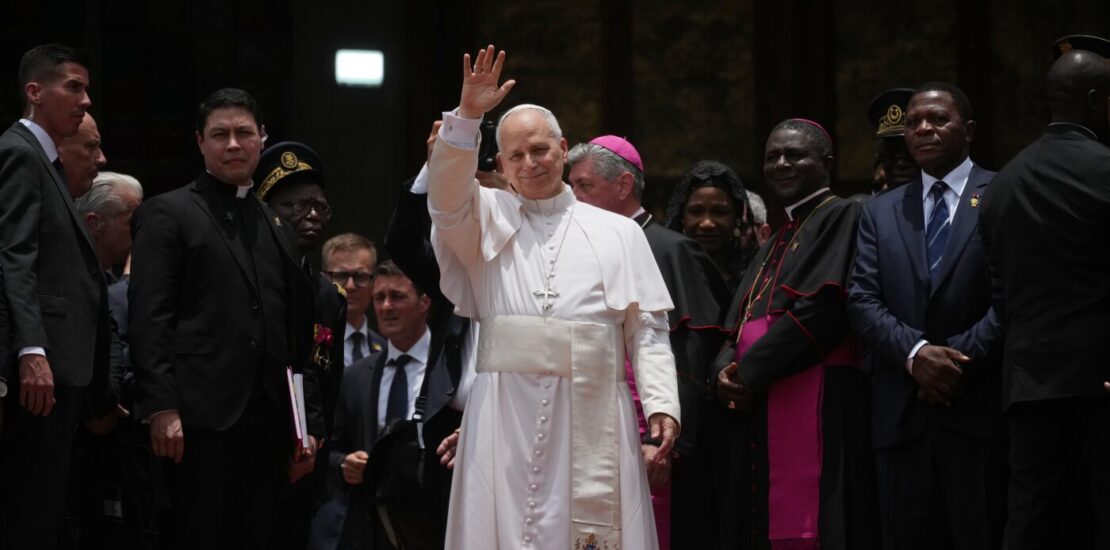
Pope Leo XIV recently made headlines with remarks that resonate far beyond the confines of faith and politics. His condemnation of global leaders for prioritizing war over peace raises essential questions about the values that should guide our society and governance.
Pope’s Call for Peace in a Troubling Context
During a visit to Cameroon, Pope Leo XIV expressed deep concern about the impact of war on humanity. He criticized global leaders for choosing violence, claiming they are “ravaging the world” by spending billions on conflict. This powerful message highlights the stark reality that many everyday people face: the consequences of military actions ripple through communities, often causing long-term harm.
Speaking from St. Joseph’s Cathedral in Bamenda, the Pope took a firm stand against those who exploit religion to justify military actions. He emphasized that while destruction can happen in an instant, restoration often takes a lifetime. His words were more than a critique; they were a passionate plea for peace and understanding in a world fraught with division.
Shining a Light on Local Conflicts
In addition to addressing global issues, the Pope focused on the serious crisis in English-speaking regions of Cameroon, where ongoing conflicts have displaced over 650,000 people and resulted in more than 6,500 deaths since 2017. His condemnation of violence was particularly relevant to this local situation, as he urged leaders to remember their humanity and the heavy toll of their decisions.
Pope Leo XIV pointed out that the world is suffering because of a small number of tyrants, contrasting their actions with the resilience and kindness of ordinary people. His remarks resonate with many who bear the brunt of conflict in their everyday lives.
Political Tensions Spark Controversy
The Pope’s visit comes amid heightened political tensions, particularly with the U.S. and Israel’s ongoing confrontations in Iran. His calls for peace have not gone unnoticed by world leaders, including President Trump, who openly criticized the Pope. Trump suggested that Leo XIV should focus on religious matters instead of politics, sparking a fiery debate about the role of spiritual leaders in global affairs.
In this charged environment, the Pope’s words resonate with individuals caught in larger political struggles. The complexities of governance and morality often intertwine, raising questions about the responsibilities of leaders at all levels.
A Call for Good Governance
Amidst this backdrop, Pope Leo also addressed the critical role of good governance. In his speech at the presidential palace, he advocated for the proper management of public resources and the importance of adhering to the rule of law. The Pope’s message about governance resonates in a world where many people seek leaders who prioritize justice and transparency.
Critics have expressed concern that his visit may be perceived as an endorsement of President Paul Biya’s government, which has faced allegations of corruption and electoral fraud. The Pope met with Biya during his visit, a choice that has ignited debates about the relationship between faith, politics, and public trust.
What this means for you
Pope Leo XIV’s visit serves as a reminder of the need for accountability and compassion in leadership. For everyday people, understanding these dynamics can foster more informed discussions about government and community policies. If you ever need to review terms in a government letter, AI legalese decoder can help decode the fine print into plain English in seconds.
Need to decode legal language? Try the free AI Legalese Decoder — no registration required.
Source: https://www.npr.org/2026/04/16/nx-s1-5787753/pope-leo-takes-trump-war-tyrants-iran-africa

 ****** just grabbed a