
Strategic Plans for Expanding Rental Housing Opportunities
- June 7, 2026
- Posted by: Alex Reed
- Category: Related News
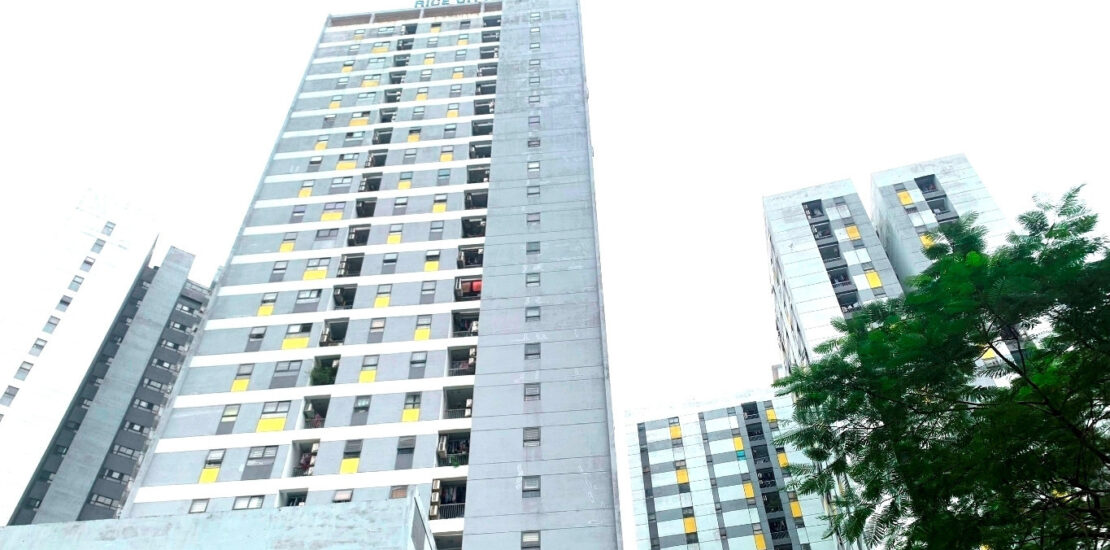
Developing social rental housing in Vietnam is a complex issue with significant implications for everyday people. As urban centers grow, access to affordable housing becomes crucial for working families and individuals seeking better job opportunities.
The Challenges of Social Housing Development
Nguyen Hoang Nam, general director of G-Home JSC, highlights the difficulties entrepreneurs face in creating social rental housing. In Vietnam, businesses are juggling long payback periods, high financial costs, and other risks. Regulations that previously mandated allocating 20 percent of social housing for rent were deemed impractical and removed. This has led to a struggle for businesses aiming to contribute to rental housing solutions.
Nam points out that while developing rental housing aligns with global trends, progress in Vietnam faces numerous obstacles. Companies must often rely on short-term borrowed capital to fund long-term projects, resulting in financial strain. This issue compounds when rental prices for social housing exceed those of private residential rentals, further complicating access for low-income residents. Additionally, the criteria for qualifying for social housing rentals are often stringent, making it harder for those in need to secure affordable options.
The Need for Support Mechanisms
To stimulate rental housing development, Nam emphasizes the need for breakthrough policies. Businesses require long-term support in the form of land-use fee subsidies and preferential loans to make investments more feasible. Current financial challenges force companies to devise strategies that can accommodate both their needs and those of potential renters.
The demand for affordable rental options grows as many people continue to prefer homeownership over renting. Nam suggests that to transition more people into rental housing, the government must explore tax exemptions, interest rate subsidies, and loan backing. Without these supportive frameworks, businesses may lack motivation to invest in projects that benefit communities.
A Shift in Housing Strategy
Tran Xuan Luong, deputy director of the Vietnam Real Estate Market Research and Evaluation Institute, elaborates on the critical role of housing in social stability. Currently, Vietnam’s focus is primarily on commercial housing, leading to various challenges for social housing initiatives. Funding primarily comes from commercial banks, making it difficult for low-income individuals to prove they have the financial stability required to access social housing.
Luong argues for a fundamental shift in Vietnam’s housing development strategy, suggesting a move towards a rental housing model that utilizes public resources. This approach could involve establishing a national housing fund, collecting contributions from workers’ wages and employers to assist with rental costs. This model has proven successful in other countries, helping employees secure long-stable housing and fostering job retention.
In many successful examples globally, local governments actively participate in the construction of rental housing, partnering with private enterprises to build and manage these properties. By doing so, the state assumes a central role, ensuring housing remains accessible for all citizens.
The Importance of Infrastructure in Housing Development
For a sustainable rental housing model to thrive, there needs to be an investment in infrastructure beyond just building homes. Luong emphasizes the importance of planning dedicated land funds and enhancing public infrastructure like transit, schools, and hospitals to create desirable living environments.
Concern exists that focusing solely on central urban areas might overlook vast land resources available outside those zones. Proper planning could link these areas with essential infrastructure, making them attractive for future residents.
When considering the development of rental housing, the goal should be to ensure that it meets the needs of the community rather than simply catering to profit-driven motives. Ensuring that social housing is treated as a welfare policy and integrating public resources effectively will help establish stable and affordable living options for all.
What this means for you
If you’re in the market for rental housing or helping someone else, understanding these policies can be crucial. Knowing your rights as a tenant is vital, especially when navigating rental agreements. If you ever need to review a rental agreement, legal-document-to-plain-english-translator/”>AI legalese decoder can translate it into plain English in seconds. Keep these developments in mind to advocate for your housing rights and ensure affordable options are available in your community.
Need to decode legal language? Try the free AI Legalese Decoder — no registration required.
Source: https://vietnamnet.vn/en/experts-outline-strategic-blueprints-for-rental-housing-growth-2523243.html

 ****** just grabbed a