
NYC and San Francisco Celebrate Vibrant LGBTQ+ Pride Month Parades
- June 29, 2026
- Posted by: Alex Reed
- Category: Related News
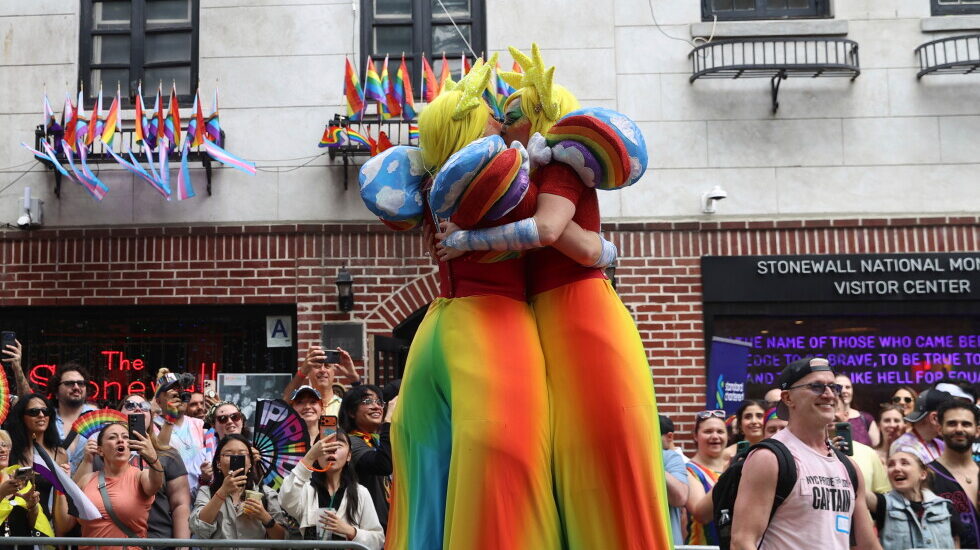
Pride Month is a time for celebration and activism, reminding us how far LGBTQ+ rights have come and how much work remains. This year’s events come amid heightened political tensions, making it crucial for communities to stand united in support of equality.
The Significance of Pride Parades
Pride parades are not just festive gatherings; they are powerful demonstrations of identity and resilience. This year, some of the largest celebrations took place in cities like New York and San Francisco. These events commemorate the anniversary of the Stonewall uprising of 1969. This pivotal moment sparked a movement for LGBTQ+ rights, making Pride parades historical as well as cultural events.
The parades serve dual purposes: they celebrate love and diversity while also advocating for ongoing struggles for equality. The backdrop this year features a federal administration attempting to roll back certain LGBTQ+ rights, prompting many to rally for visibility and recognition. “As LGBTQIA+ events and symbols are being erased, it’s vital that our community have safe spaces to show up,” said Chris Piedmont, a spokesperson for Heritage of Pride in New York.
Political Climate and Counter Movements
The current political landscape adds complexity to Pride Month. A number of Republican governors have declared June as “Nuclear Family Month,” a labeling perceived as countering the festive Pride celebrations. Prominent political figures have voiced their discontent regarding the inclusion of LGBTQ+ themes in various sectors, including sports. For instance, some Major League Baseball players faced backlash for making religious statements during Pride events.
These political maneuvers highlight a concerted effort to push back against LGBTQ+ visibility, making the celebrations even more necessary as a form of resistance. People gathered this year not only to celebrate but to send a message that their identities cannot be erased.
Emerging Concerns from Within the Community
Throughout the celebrations, some activists voiced concerns over institutions that they believe are failing to support the transgender community. Calls for certain New York City hospitals to be excluded from the Pride March emerged after the hospitals announced a halt to treatments for transgender youth. Christen Clifford, a mother of two trans children, emphasized the importance of enforcing state laws that protect gender-affirming care.
Her remarks underline ongoing discussions about safety and support within the LGBTQ+ community, especially for vulnerable populations. While some parade organizers acknowledged these issues, they emphasized that the contingents at the parade are mainly represented by LGBTQ+ employees rather than their administrative leaders.
The Legacy of Stonewall and Future Directions
The events of the Stonewall uprising are pivotal in understanding the foundation of Pride Month. The original protests were ignited by police action against patrons of the Stonewall Inn, marking the beginning of a sustained effort for justice and equality for LGBTQ+ individuals. Today, these parades not only celebrate that moment but also give rise to newer movements such as the Queer Liberation March, which take a stand against corporate influence in celebration.
As celebrations continue across various cities, with some facing adversity from political pressures, the message remains clear: the fight for LGBTQ+ rights is ongoing, and community solidarity is crucial.
What this means for you
It’s important to understand how ongoing social issues can shape individual lives and communities. Whether you’re navigating personal relationships or workplace dynamics, Awareness can guide better conversations around acceptance and inclusion. If you ever need to review employment contracts or agreements related to workplace conduct, legal-document-to-plain-english-translator/”>AI legalese decoder can translate it into plain English in seconds. Such tools can help clarify your rights in any situation.
Need to decode legal language? Try the free AI Legalese Decoder — no registration required.

 ****** just grabbed a