
July Sees Decline in Korean Small Business Outlook Amid Weak Demand
- June 29, 2026
- Posted by: Alex Reed
- Category: Related News
Small and medium-sized enterprises (SMEs) play a crucial role in the economy, impacting jobs and local communities. Recent reports show that the outlook for these businesses in South Korea is dimming, highlighting challenges that could affect everyone from workers to consumers.
Declining Outlook for SMEs
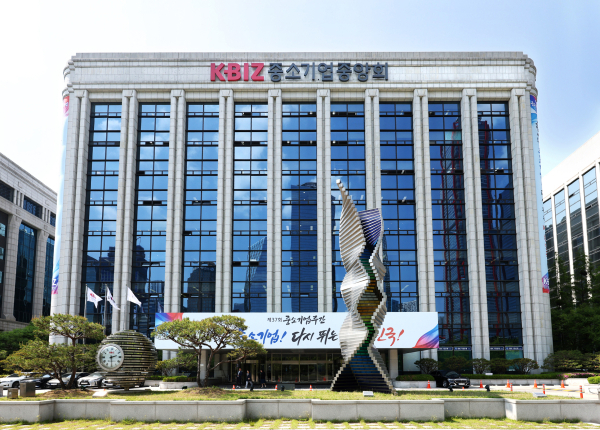
The Korea Federation of SMEs (KBIZ) recently released its Small Business Health Index (SBHI) for July 2026, revealing a concerning trend. The index fell to 78.2, a drop of 1.4 points from the previous month. The survey covered 3,044 SMEs between July 12 and 18, indicating a broad representation of the sector.
Despite some improvements in exports, particularly in semiconductors, sluggish domestic demand and a downturn in construction and services continue to loom over the economic landscape. The overall sentiment among SMEs remains low, suggesting that many businesses are struggling to find solid ground.
Sector Breakdown: Manufacturing vs. Non-Manufacturing
When looking at various sectors, there’s a mix of news. In manufacturing, the index slightly increased from the previous month to 82.5, boosted by gains in leather goods and printing services. However, non-manufacturing saw a decline, dropping to 76.3. Construction and service sectors reported particularly stark declines, with construction falling from 72.5 to 70.3 and services dropping from 79.6 to 77.5.
Amid these shifts, certain areas within both sectors are thriving. For example, improvements were noted in transportation and personal services, while sectors like real estate and arts showed a significant downturn.
Challenges Facing SMEs
The challenges facing SMEs are considerable. According to the survey, sluggish sales were the most significant issue for 53.5% of businesses, followed by rising raw material costs (42.2%) and intensifying competition (30.1%). Rising labor costs were a concern for 26.4% of respondents.
Additionally, operating rates at manufacturing sites have stalled. As of May, the average operating rate for small and medium manufacturers stood at 75.4%, marking a slight decline from the previous month. While small firms experienced a marginal increase, medium-sized firms saw a decrease, indicating that many businesses are still navigating rough waters.
The Bigger Picture: Economic Growth vs. SME Sentiment
Interestingly, the SME outlook contrasts sharply with broader economic forecasts. The Korea Development Institute (KDI) has raised its economic growth prediction for the year to 2.5%, largely due to a surge in semiconductor demand and overall consumption recovery. However, many SMEs remain skeptical due to external uncertainties like rising oil prices and geopolitical tensions.
The dichotomy between general economic indicators and the SME sentiment underscores a complex situation. While some sectors may be experiencing growth, the feelings of uncertainty pervading the SME landscape will take time to resolve.
What this means for you
For everyday individuals, the health of SMEs can directly impact job availability and consumer choices. If you ever need to review employment contracts or other business agreements, legal-document-to-plain-english-translator/”>AI legalese decoder can help translate them into plain English in seconds. Understanding these documents is essential in today’s fluctuating economic climate.
Need to decode legal language? Try the free AI Legalese Decoder — no registration required.
Source: https://en.sedaily.com/news/2026/06/29/korean-small-business-outlook-weakens-for-july-as-domestic

 ****** just grabbed a