
Nissan Reduces Production Costs in Mexico Facing US Tariff Challenges
- July 1, 2026
- Posted by: Alex Reed
- Category: Related News
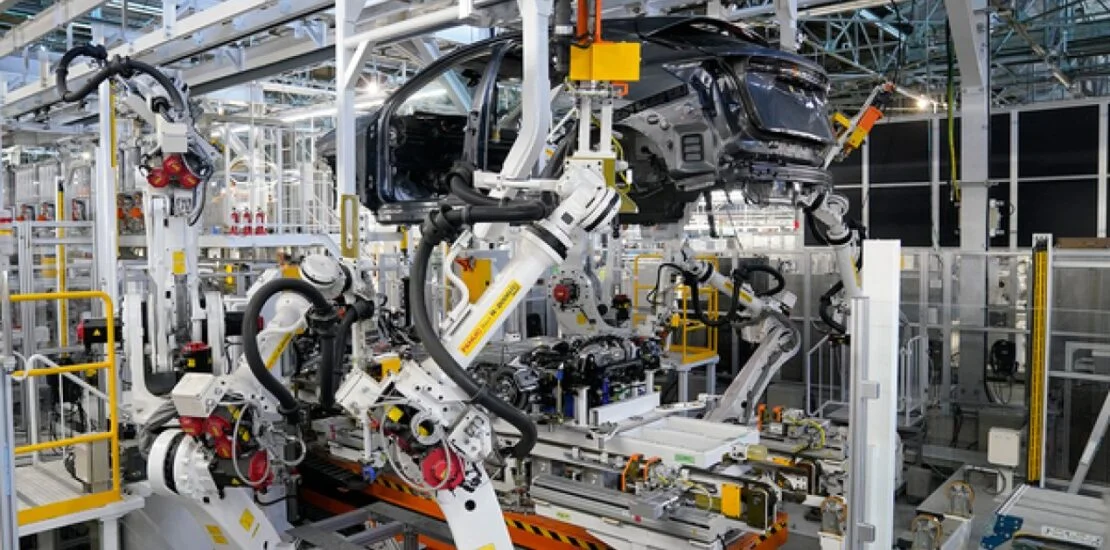
Nissan’s recent decision to cut production costs for vehicles made in Mexico underscores the challenges American consumers face due to increasing tariffs. As these tariffs affect the prices of vehicles like the Nissan Sentra and Kicks, buyers may feel the impact directly in their pockets.
Understanding the Tariff Pressure
Nissan is taking steps to remain competitive in the U.S. market amid a storm of tariffs. These tariffs, set at a hefty 25%, primarily target cars manufactured in Mexico. Despite the financial strain, Nissan continues to produce these vehicles, which include popular models that benefit from lower manufacturing costs. Nissan CEO Iván Espinosa explained that changing tariffs make it harder to sell some models, pushing the company to enhance competitiveness in pricing.
While their goal is to keep these vehicles affordable for U.S. buyers, the tariffs add over $2,500 to the cost of each car exported from Mexico. This weighty added cost often translates into higher prices at dealerships, ultimately affecting consumer choice and budget.
Production Strategies Amid Changing Conditions
Nissan intends to maintain its production of economical vehicles in Mexico, like the Sentra and Kicks, which cater to entry-level buyers. Shifting some manufacturing activities has been a part of their strategy to reduce tariff exposure while still leveraging the cost advantages associated with Mexican production.
With these changes, Nissan is not only focusing on popular models but is also adapting its overall production strategy. Although the company is consolidating its manufacturing efforts, the push remains strong for maintaining built-in Mexico models within its U.S. lineup.
The Bigger Picture in the Auto Market
These tariff pressures represent broader issues in the automotive sector. With rising prices, a significant number of potential car buyers have exited the market, leading to a slowdown in sales. This is evident when looking at sales estimates that suggest only a marginal increase in new-vehicle sales year-on-year.
According to Kelley Blue Book, the average transaction price for new vehicles rose to around $49,461, confirming affordability is more challenging than ever for many consumers. This scenario brings forth additional concerns as manufacturers, particularly those like Nissan, which rely heavily on lower-priced segments, must adjust their strategies to cope with evolving market conditions.
Automaker Adjustments and Profit Challenges
Additionally, Nissan is undergoing substantial changes as part of its global restructuring strategy, known as Re:Nissan. The company has announced closures of several production plants, including one in Mexico, which has been operational for nearly sixty years. These cuts are a part of efforts to streamline operations and reduce global production capacity significantly.
Despite these efforts to adapt to current challenges, Nissan reported substantial financial losses earlier this year. These losses reflect not just the impact of tariffs and restructuring costs but also the pressures of inflation and a tougher market. While the company’s operations show signs of improvement, it remains under considerable economic strain.
What this means for you
For consumers, this situation highlights the importance of staying informed about vehicle pricing and market options. As manufacturers adapt their strategies to ongoing tariff pressures, some models may become more expensive. If you ever need to review vehicle purchase agreements or warranties, legal-document-to-plain-english-translator/”>AI legalese decoder can translate it into plain English in seconds, helping you make better-informed decisions.
Need to decode legal language? Try the free AI Legalese Decoder — no registration required.
Source: https://mexicobusiness.news/automotive/news/nissan-cuts-mexico-output-costs-amid-us-tariff-pressure

 ****** just grabbed a