
Putin Dismisses Fuel Shortages While Intensifying Ukraine Conflict
- July 3, 2026
- Posted by: Alex Reed
- Category: Related News
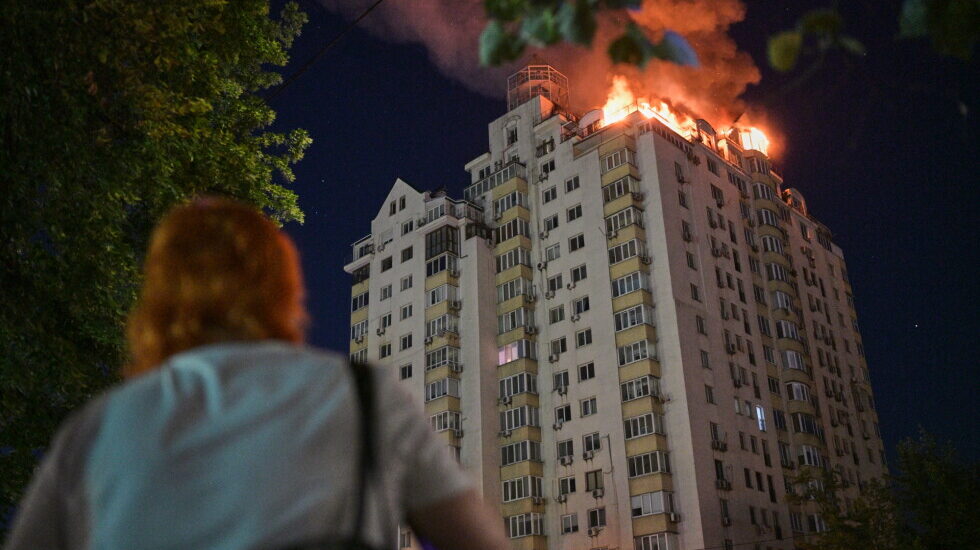
Despite fuel shortages affecting ordinary Russians, President Putin remains steadfast in his approach to the war in Ukraine. This issue matters to everyday people since fuel shortages can disrupt daily life, impacting everything from transportation to prices at the pump.
Intensifying Fuel Crisis in Russia
There’s been a significant uptick in Ukrainian attacks on Russian oil refineries and energy sites, with over 50 reported strikes since March. These attacks aim to pressure the Kremlin to cease hostilities. The consequence? Millions of Russians are now feeling the impact directly, challenging Putin’s narrative that the conflict is distant from the daily lives of his citizens.
According to reports, about one-third of Russia’s refining capacity has been crippled. This situation has made gasoline production drop by about 17%, leading to rationing in various regions. Citizens are waiting in long lines to fill their tanks, illustrating how the conflict is now affecting everyday life in Russia. Some areas, like Crimea, are facing even harsher shortages, with temporary halts in gasoline sales for individuals.
Putin’s government has taken steps to ease this crisis, including allowing the production of lower-quality gasoline to cope with the supply shortage. However, the damage to Russia’s energy infrastructure will take time and money to repair, posing long-term challenges for the country.
Putin’s Dismissive Stance on Attacks
Despite the chaos, Putin has downplayed the severity of these Ukrainian strikes. In a recent meeting with government officials, he acknowledged that the country is experiencing “a difficult period,” yet he insists that these strikes are merely tactics to distract from Ukraine’s own losses in the conflict. He claims that the attacks have no significant consequences for Russian military operations, despite Western analysts suggesting otherwise.
According to these analysts, the strikes have slowed down Russian advances and significantly affected military logistics. Yet, Putin maintains a facade of normalcy, insisting that Russian forces continue to make progress along the frontline. He even mentioned specific locations in Ukraine to reinforce this claim.
This denial of reality illustrates a wider trend where leaders often distance themselves from the tangible impacts of war on their citizens. Putin’s refusal to accept how these strikes are influencing domestic sentiment could lead to further discontent among the Russian populace.
Ceasefire Talks and Military Conditions
As discussions of a potential ceasefire arise, Putin’s response has been dismissive. He challenges Ukrainian President Zelenskyy to meet in Moscow, a request deemed unacceptable by Ukraine. He has set rigid conditions for any truce, including a complete withdrawal of Ukrainian forces from contested regions.
While Ukraine has reportedly offered to negotiate a limited ceasefire, Putin refuses, arguing it would allow Ukraine to regroup and strengthen its forces. He claims any ceasefire must address specific Russian demands, such as halting Ukraine’s NATO ambitions and ensuring protections for the Russian language and culture within Ukraine.
The Kremlin was quick to reject these proposals, arguing that allowing any pause in fighting would be detrimental to Russian strategic interests. This unwillingness to compromise prolongs the humanitarian crisis for citizens on both sides of the conflict.
Impact on Civilians and Infrastructure
Recent strikes have had devastating consequences for civilians, as seen in a recent attack on Kyiv that resulted in numerous fatalities. These actions emphasize the disparity in target priorities, with Russian attacks often striking residential areas while Ukrainian efforts focus on energy and military installations.
Ukraine’s President Zelenskyy continues to call for international support, highlighting the plight of civilians caught in the crossfire. He urges allies to supply Ukraine with defensive technology to counter ballistic missile attacks.
The ongoing conflict has led to significant civilian casualties, with over 16,000 reported deaths according to United Nations estimates. This emerging data brings the war’s human cost into sharper focus, reminding us that behind political maneuvering are real people facing dire circumstances.
What this means for you
This situation reveals how geopolitical conflicts can impact everyday life, even if you’re miles away. Learning about the implications of such conflicts can help you understand global events better. If you ever need to review terms related to any legal documents as a result of these events, AI legalese decoder can translate them into plain English in seconds.
Need to decode legal language? Try the free AI Legalese Decoder — no registration required.

 ****** just grabbed a