
Netanyahu Reveals Secret UAE Trip During Intensifying Iran Conflict
- May 13, 2026
- Posted by: Alex Reed
- Category: Related News
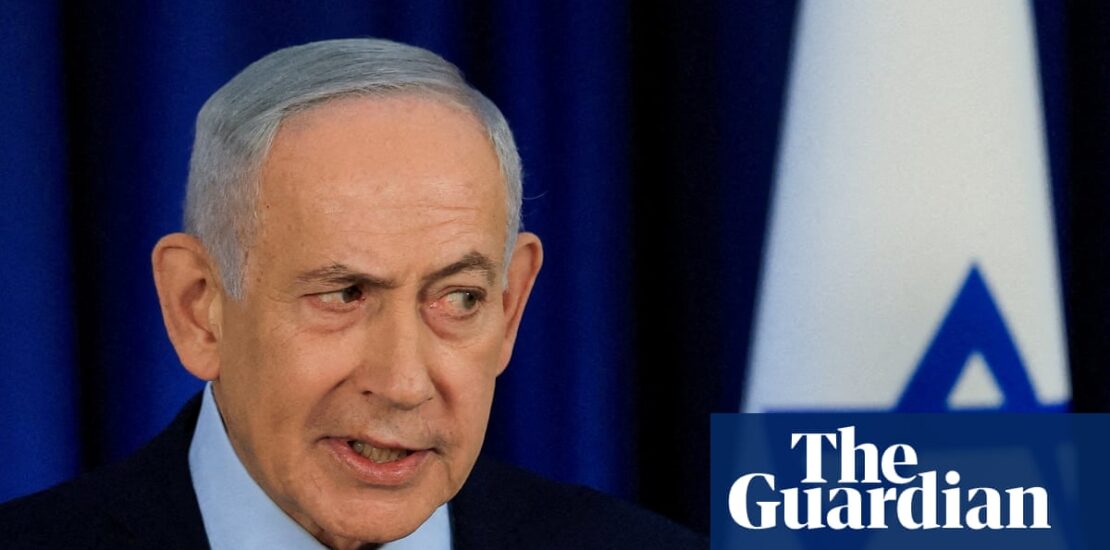
Benjamin Netanyahu’s recent claim of a secret visit to the United Arab Emirates (UAE) during a tense period of conflict with Iran has stirred up international interest. This story matters not just for political junkies; it highlights the complex relationships between countries that can impact everyday lives, from international trade to security.
The Secret Meeting: A Game Changer?
Netanyahu announced that his clandestine trip involved discussions with UAE President Sheikh Mohamed bin Zayed Al Nahyan. The Israeli Prime Minister’s office described this meeting as a “historic breakthrough” in the two nations’ relationship. Reports indicate this meeting took place on March 26 in Al Ain, a city near the Oman border.
The implications of this secretive meeting could change the dynamics of Middle Eastern alliances. Sources suggest that David Barnea, the head of the Mossad (Israel’s intelligence agency), visited the UAE at least twice during the ongoing conflict with Iran. These visits aimed to coordinate military actions and were first mentioned by credible sources like the Wall Street Journal.
As alliances shift and new partnerships form, the geopolitical landscape may look significantly different by the end of the year.
Doubts Raised by the UAE
However, the UAE’s foreign ministry responded by refuting Netanyahu’s claims, labeling them as “baseless.” This denial raises questions about the reliability of the information and the motivations behind both countries’ narratives. The UAE has been looking to assert its own identity in global politics, especially in light of growing tensions with Iran.
Further complexities arise as it has been reported that the UAE conducted its own military actions against Iran, including a significant attack on an oil refinery on Lavan Island. This escalation hints at an evolving military strategy that could have broader implications on oil supply and prices, which affect everyone.
Mutual Interests in a Shared Future
The blossoming relationship between Israel and the UAE is part of a broader trend initiated by the 2020 Abraham Accords. These deals marked a turning point by normalizing relations between Israel and several Islamic nations, including Bahrain, Morocco, and Sudan. The UAE has emerged as a leading partner, cementing its alliance with Israel more aggressively than its fellow signatories.
The strategic interests in this partnership are clear. The UAE has distanced itself from Saudi Arabia’s foreign policy, accentuating its independent stance. By leaving the Saudi-led OPEC, the UAE has signaled its desire to operate on its own terms. Such moves also suggest that the regional balance of power is shifting, which could have lasting effects on diplomatic and business relations throughout the Middle East.
Risks and Scrutiny for Both Nations
Despite these developments, both Israel and the UAE face scrutiny for their conduct during conflicts. Israel is under international pressure over its treatment of Palestinians, facing allegations of war crimes. The International Criminal Court (ICC) has even issued arrest warrants for Netanyahu and his former defense minister, Yoav Gallant.
On the other hand, the UAE has been accused of supporting groups implicated in atrocities, notably in Sudan. While the UAE’s government denies these claims, the allegations are supported by substantial evidence. This scrutiny complicates the already volatile situation, as both countries look for ways to bolster their international reputations while maintaining their military and economic interests.
What this means for you
Understanding the implications of international relations helps us grasp how global events can affect local economies and security. As countries like the UAE and Israel forge stronger bonds, we may see changes in trade policies or security measures that touch our daily lives. If you ever need to review legal documents like contracts or agreements, AI legalese decoder can translate them into plain English in seconds. Stay informed; policy changes can happen quickly, impacting everything from market stability to international travel.
Need to decode legal language? Try the free AI Legalese Decoder — no registration required.

 ****** just grabbed a