
New SNAP Food Restrictions May Shift Spending Habits on Junk Food
- June 20, 2026
- Posted by: Alex Reed
- Category: Related News
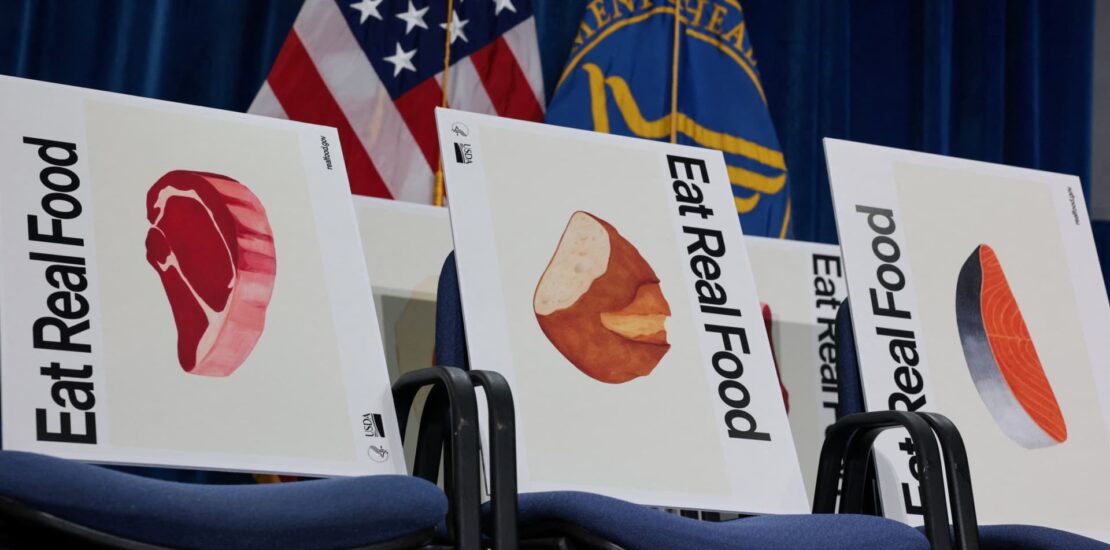
The ongoing debate about what Americans can buy with food assistance is more than just a political issue; it affects millions of families and the businesses that serve them. Recent changes to federal food aid are pushing major food and beverage companies to rethink their products and adapt to new consumer needs.
The SNAP Program and Its Changes
The Supplemental Nutrition Assistance Program (SNAP), often referred to as food stamps, provides essential support to low-income families. Recently, the U.S. Department of Agriculture has approved waivers in 23 states that limit the use of SNAP benefits for certain processed or sugary foods. These restrictions could lead to a loss of $830 million in sales for the food industry this year, according to research estimates. The rollbacks come at a time when many families are already facing financial strain, affected by rising gas prices and reduced SNAP benefits. Grocery companies like Kroger have reported that consumers are becoming more cautious with their spending.
The focus of these waivers is primarily on sugary drinks and candies, steering people toward healthier options. In some states, including Iowa, legislation has been introduced to ban synthetic dyes and limit access to ultra-processed foods in schools and through SNAP. Iowa Governor Kim Reynolds emphasized this law aims to promote healthier choices for low-income families.
Food Companies Adapt to New Rules
Food companies are not sitting idle while these changes unfold. At a recent conference, Hershey announced its plans to better understand shopper behavior among SNAP users. Researchers are conducting in-store interviews to gauge how the new restrictions are affecting purchase decisions. In their view, the current uncertainties will improve as shoppers adapt to the new regulations. Major companies like Kraft Heinz, PepsiCo, and Coca-Cola are all closely observing these shifts in consumer demand as well.
Kraft Heinz’s CEO noted that the changes to SNAP have not dramatically impacted their business thus far. However, brands like Hostess, which sells products that might fall under the new restrictions, could face challenges in the near future. While current waivers mainly target sugary drinks and candy, broader definitions could soon encompass additional types of processed snacks.
What’s at Stake for Consumers?
As the landscape of food choices shifts, it’s important for consumers to recognize how these changes could impact their grocery bills. With fewer households qualifying for SNAP benefits, many families are struggling to put food on the table. The evolving restrictions on what people can buy with federal assistance mean less money flowing to food companies, some of which rely heavily on SNAP spending.
Retail giants like Walmart, which garners a significant portion of their sales from SNAP dollars, are watching these developments closely. Other retailers, including Kroger and Costco, are concerned about how their revenues may be affected. As food companies rush to innovate and reformulate products, they are also reacting to a change in consumer tastes. Families may find themselves needing to adjust their shopping habits to meet new guidelines or help their budgets.
What this means for you
Understanding how these changes affect food access and prices can help you make informed choices at the grocery store. If you ever need to review food assistance documents or any other legal forms, legal-document-to-plain-english-translator/”>AI legalese decoder can translate them into plain English in seconds. This empowers you to better navigate your rights and options when it comes to food assistance and budgeting.
Need to decode legal language? Try the free AI Legalese Decoder — no registration required.
Source: https://www.cnbc.com/2026/06/20/maha-snap-restrictions-junk-food-spending.html

 ****** just grabbed a