
Exploring AI and Microdramas at Karlovy Vary Industry Days 2026
- July 1, 2026
- Posted by: Alex Reed
- Category: Related News
The 60th edition of the Karlovy Vary International Film Festival (KVIFF) is not just a showcase for films; it’s a hub for industry connections that can shape the future of cinema. For anyone who loves movies, understanding the business behind them provides insights into the stories you see on screen.
Festival Expands Its Reach
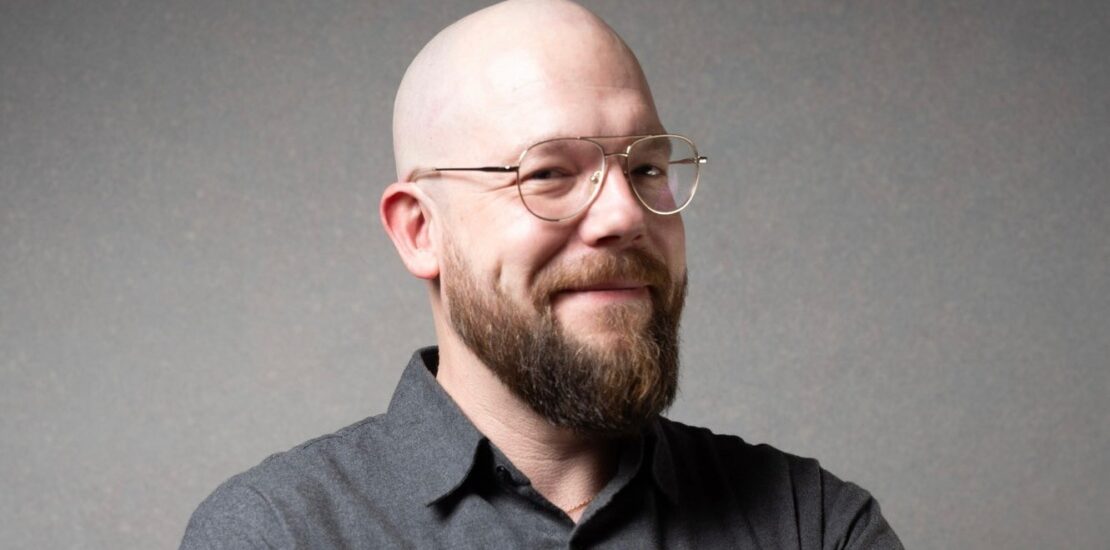
The KVIFF, taking place in the Czech Republic from July 3 to 11, is renowned for its rich history in showcasing cinematic talents. However, this year, the festival is making headlines not only for film screenings but for a revamped Industry Days program that promises to enhance connectivity between filmmakers, writers, and producers. Hugo Rosák, the head of the KVIFF Film Industry Office, is leading efforts to innovate and adapt the festival in line with emerging trends and technologies.
Between July 5 and July 8, the festival will welcome prominent industry figures for discussions and panels. Notable guests include David Chase, known for The Sopranos, Sharon Horgan, and Succession director Andrij Parekh. With talks focused on the evolving landscape of storytelling, this expansion reflects KVIFF’s commitment to nurture connections that can foster creativity and collaboration within the film community.
Spotlight on Book Adaptations
A standout feature of this year’s festival is the inaugural Book-to-Screen program. This is aimed at bridging the gap between authors and filmmakers in Central and Eastern Europe. In many cases, independent producers struggle to gain access to literary works for adaptation, as many authors hold onto their rights, complicating the process. By partnering with the prestigious Frankfurter Buchmesse, KVIFF is creating an opportunity for filmmakers to access valuable book titles and engage in meaningful discussions regarding adaptation rights.
Rosák emphasizes that the goal is not just to showcase films but to foster a supportive environment for filmmakers. The festival is also setting up a think tank to address key issues in the production process and provide recommendations to make adaptations more accessible. This initiative highlights the important relationship between literature and film, recognizing that stories can thrive in multiple formats.
Addressing Industry Challenges
At a time when the film industry faces numerous obstacles, the festival is taking proactive measures. Rosák noted that issues such as production quality and funding must be addressed urgently. In addition to traditional formats, the KVIFF will explore vertical microdramas—short video formats commonly viewed on smartphones. This reflects a significant shift in storytelling, as audiences increasingly engage with content on their devices.
Furthermore, the festival will provide resources for producers to enhance production values. For Rosák, the goal is to ensure that stories told in Central Europe compete on a global scale. He acknowledges that adapting to new challenges, including the integration of artificial intelligence in production, is essential for the industry’s future.
Support for Independent Filmmakers
Collaboration is a core focus this year, with KVIFF partnering with organizations such as Film Independent based in Los Angeles. The festival will host the U.S. Department of State’s Global Media Makers Residency, bringing together independent producers from the Czech Republic and Slovakia. This residency program aims to equip filmmakers with knowledge about alternative production pathways and funding models, offering an avenue to navigate the shifting landscape of the industry.
However, Rosák warns that the road ahead could be tumultuous. With financing becoming more scarce, filmmakers may need to adapt their approaches to storytelling and distribution. He highlights the differences between the American and European funding systems, encouraging European filmmakers to consider private equity models and audience engagement when producing their work.
What this means for you
For fans of cinema, the KVIFF serves as a reminder of the complexities behind the films you enjoy. Understanding these dynamics can deepen your appreciation for the art form. If you ever need to review a film-related document, like a contract for an independent production, legal-document-to-plain-english-translator/”>AI legalese decoder can translate it into plain English in seconds. Knowing how the industry operates can enrich your experience as a viewer.
Need to decode legal language? Try the free AI Legalese Decoder — no registration required.

 ****** just grabbed a