
Trump praises productive Qatar meetings as U.S.-Iran negotiations restart
- July 1, 2026
- Posted by: Alex Reed
- Category: Related News
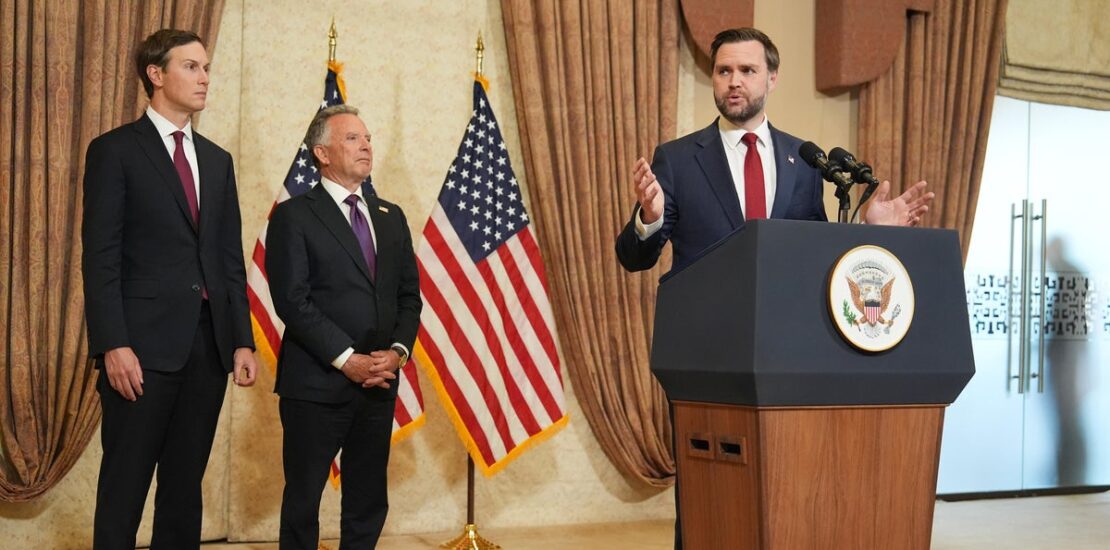
Iran and the United States are back at the negotiation table, and this time, it’s in Doha under the watchful eyes of mediators from Qatar and Pakistan. For many regular folks, the outcome of these talks could impact everything from gas prices to international relations.
Resumption of Talks
Diplomats from both nations are engaging in indirect talks that focus on serious financial issues. U.S. representatives, including envoys Steve Witkoff and Jared Kushner, met with Qatar’s prime minister recently, although they did not attend the latest official discussions. This round of negotiations is essential for recovering frozen Iranian assets and addressing safety concerns in the Strait of Hormuz, a crucial shipping route.
The negotiations kicked off after both nations expressed a willingness to talk again, although Tehran has denied reports of any direct conversations. A senior Iranian official mentioned that discussions began Tuesday night, emphasizing the importance of thawing frozen accounts and making policies around them.
Key Issues on the Table
One of the pivotal points in the talks is a “memorandum of understanding” which builds on discussions from a recent summit in Switzerland. This document aims to lay the groundwork for a future agreement. Iranian officials have been specific about their needs: they want $6 billion currently held in Qatari banks released in two phases over a 60-day period.
However, a significant source of tension exists regarding the conditions tied to these funds. Reports suggest that the U.S. proposed a credit line limiting how Iran could use the money—specifically, only to buy agricultural products like wheat and corn. Iran has strongly opposed this idea, insisting it should have full control over its finances and how to allocate funds for essential items, including medicine.
The Stakes Involved
The stakes are very high for both countries. For Iran, releasing these frozen assets could alleviate some economic pressure, especially in light of sanctions that have severely affected its economy. The ability to freely allocate funds is crucial for addressing basic needs, such as healthcare, amidst ongoing concerns over public welfare.
For the U.S., these talks are not just about financial assets; they have broader implications for regional stability and safety. The Strait of Hormuz is a vital area for global oil transport, and any instability in the region can ripple through international markets. Resolving these issues can help ease tensions, which often translate into economic repercussions for everyday citizens.
What This Means for You
The indirect talks between Iran and the U.S. illustrate how international discussions can directly influence global economics, affecting everything from fuel prices to household budgets. If you ever need to review financial agreements or contracts related to how funds are allocated, legal-document-to-plain-english-translator/”>AI legalese decoder can translate it into plain English in seconds. Staying informed about such international matters helps you understand how they may impact your financial situation.
Need to decode legal language? Try the free AI Legalese Decoder — no registration required.
Source: https://www.cbsnews.com/live-updates/us-iran-war-vance-talks-resuming-core-mission-war-achieved/

 ****** just grabbed a