
CCIA UK Addresses CMA’s Latest Conduct Requirement Changes
- June 3, 2026
- Posted by: Alex Reed
- Category: Related News
Google is set to give publishers more control over how their content is used in generative AI searches. This change is important because it affects how your favorite websites manage their content and could help ensure that they receive proper credit for their work.
New Rules from the Competition and Markets Authority
The Competition and Markets Authority (CMA) in the UK recently introduced a new conduct requirement that directly impacts Google and publishers. These new guidelines will allow publishers to manage their links and content more effectively in generative AI search features. This means that when you see search results generated by AI, the publishers will have a say in how their content appears.
This change is significant because it marks the first conduct requirement following a series of strategic market investigations opened by the CMA under the Digital Markets Competition and Consumers (DMCC) Act. The CMA also indicated that this development is just the beginning. More updates regarding digital market regulations are expected in the coming months.
Balancing Innovation and Control
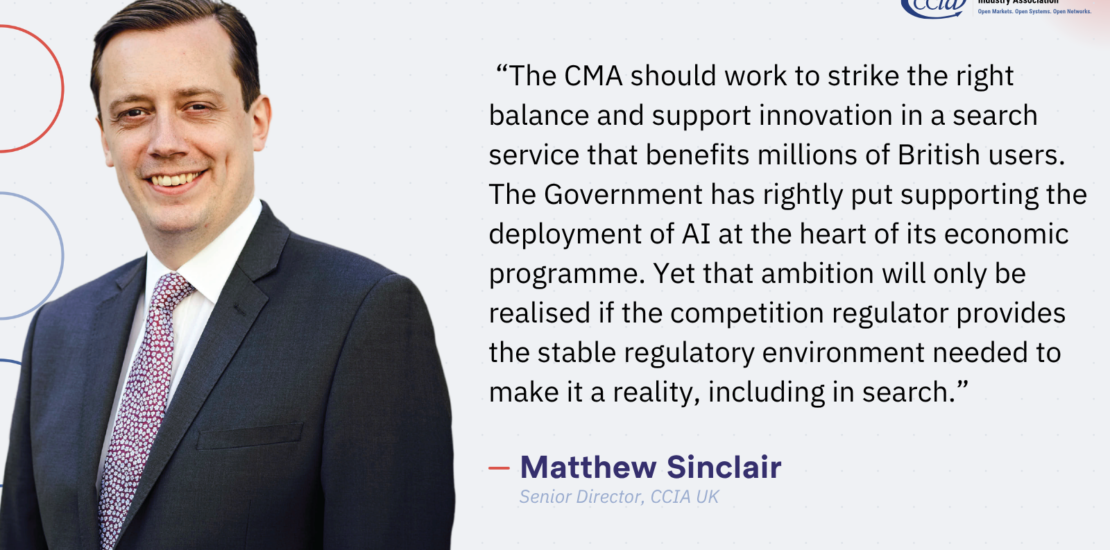
Matthew Sinclair, Senior Director of the Computer & Communications Industry Association (CCIA) in London, commented on these new controls. He emphasized that enabling publishers to have more control aligns with the efforts of responsible AI developers to protect the rights of content creators. Sinclair noted that while it’s important to support innovation, it’s equally vital for regulatory bodies like the CMA to foster an environment conducive to that innovation.
He stated that a stable regulatory framework is essential for AI technologies to flourish, especially in search services that millions rely upon daily. This balanced approach could lead to better services for users while ensuring that content creators are recognized for their contributions.
The Path Forward for AI in Search
Since the DMCC Act took effect last year, the CMA has been proactive in examining various aspects of the digital marketplace. As they continue to scrutinize companies like Google, new measures like this one will shape the future of AI in how we access information online.
The CMA’s actions may also influence how other countries approach similar regulations. As AI becomes increasingly integrated into various services, ensuring that both users and content creators benefit is crucial. The focus is on creating a fair playing field where innovation can thrive without undermining the rights and efforts of those who produce content.
What this means for you
This update from the CMA is a step towards ensuring that content creators get their due recognition and credit in a digital world dominated by AI. If you ever need to review a content-related agreement, AI legalese decoder can help translate it into plain English in seconds. Stay informed about changes like this, as they can directly impact how you interact with digital content.
Need to decode legal language? Try the free AI Legalese Decoder — no registration required.
Source: https://ccianet.org/news/2026/06/ccia-uk-response-to-cmas-new-conduct-requirement/

 ****** just grabbed a