
Gianluca Franceschini on Restoring Trust and Hope in Medicine
- July 3, 2026
- Posted by: Alex Reed
- Category: Related News
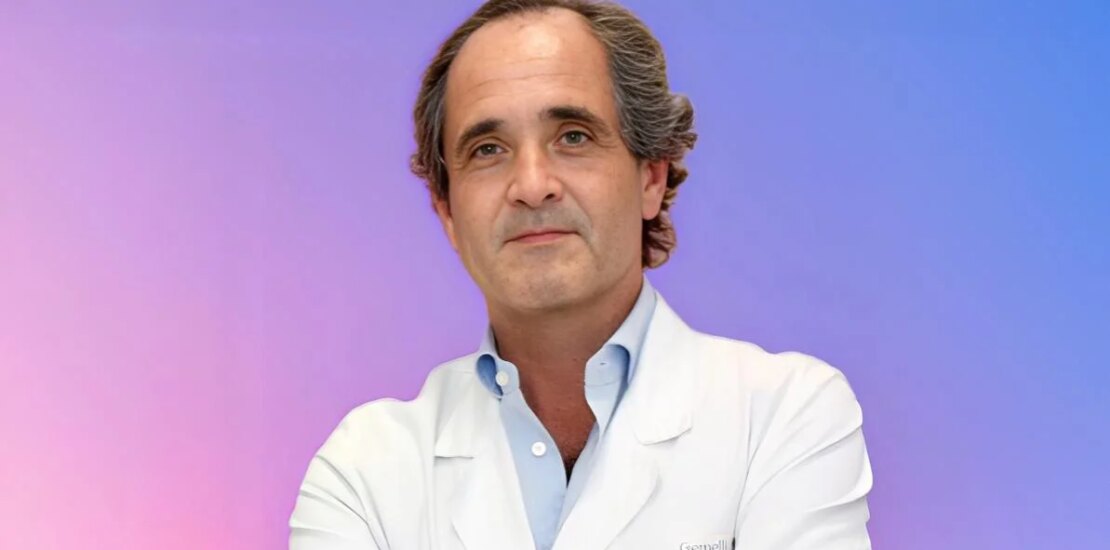
The relationship between healthcare and compassion is crucial, yet often overlooked. A recent speech by a prominent surgical professor sheds light on the importance of patient care beyond just medical treatments.
Bridging Medicine and Compassion
Professor Gianluca Franceschini, a respected figure in the medical community, recently emphasized the need for empathy in healthcare. Invited by Italy’s Minister of Foreign Affairs, Antonio Tajani, Franceschini presented his vision of medicine at a special event. He shared powerful insights through his reading titled “Before curing, taking care.”
Franceschini argued that true medicine goes beyond physical treatment. It involves welcoming patients, listening to their concerns, and fostering relationships built on trust and hope. This perspective reflects a growing understanding in today’s health discussions: effective care is about the whole person, not just their symptoms or illnesses.
In a society heavily focused on technological advancements and fast solutions, this message serves as a reminder to prioritize compassion in patient interactions. Patients thrive when they feel supported, and healthcare professionals play a crucial role in creating that environment.
The Power of Listening
Franceschini’s remarks highlight an essential aspect of effective healthcare—active listening. When healthcare providers take the time to engage meaningfully with their patients, it can lead to better treatment outcomes. Listening to a patient’s concerns allows doctors to tailor their approaches and build stronger therapeutic alliances.
Franceschini emphasized that caring requires more than clinical skills; it requires emotional intelligence. Empathy helps healthcare professionals understand the personal struggles and fears their patients might face. This understanding can lead to more comprehensive care plans and a more positive healthcare experience for patients.
Moreover, fostering trust can reduce anxiety and improve adherence to treatment plans. Patients who feel heard and respected are more likely to communicate openly about their conditions, leading to better healthcare decisions and ultimately, healthier outcomes.
A Collaborative Care Model
The discussion at the Ministry of Foreign Affairs also prompted a conversation on collaborative care models. Franceschini, alongside Msgr. Marco Malizia and Professor Giovanni Addolorato, stressed how multi-disciplinary teams can enhance patient care.
These teams often include physicians, nurses, social workers, and psychologists, all working together for a common goal—improving patient health and well-being. Such collaboration enables individuals to benefit from various expertise, addressing both medical and emotional needs.
This approach aligns with the shift toward patient-centered care, where the focus is on the preferences and values of patients. By prioritizing their needs, healthcare systems can create more supportive environments that empower individuals in their healing journey.
What this means for you
Understanding the importance of compassion in healthcare can have a big impact on your own experiences as a patient or caregiver. Look for healthcare providers who prioritize listening and trust; it can make all the difference in your treatment. If you ever need to review medical consent documents, AI legalese decoder can help you decode the fine print quickly and easily.
Need to decode legal language? Try the free AI Legalese Decoder — no registration required.
Source: https://oncodaily.com/voices/gianluca-franceschini-534600

 ****** just grabbed a