
ASEA Develops New NOM to Enhance LP Gas Transport Safety
- April 30, 2026
- Posted by: Alex Reed
- Category: Related News
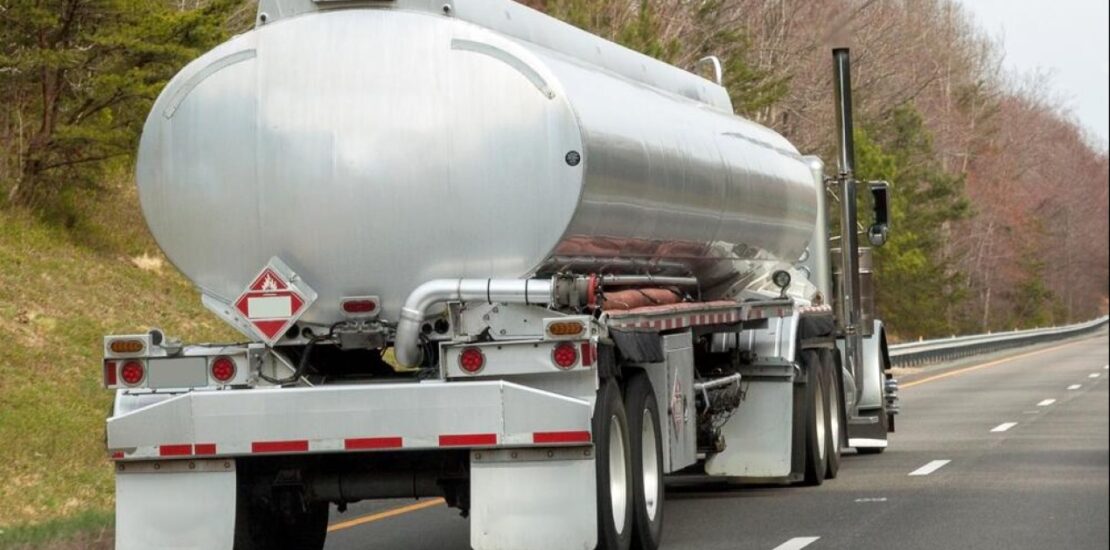
The transportation of liquefied petroleum (LP) gas is essential for many everyday products we use, from cooking fuel to heating. Recently, new safety standards were proposed in Mexico, which could mean significant changes for companies that transport this gas—and a safer environment for everyone.
Stricter Safety Requirements on the Horizon
The Agency for Safety, Energy, and Environment (ASEA) in Mexico is drafting a new Official Mexican Standard (NOM) aimed at enhancing safety in the transportation of LP gas by tanker trucks and semitrailers. This proposal is part of a broader initiative to update regulations surrounding hazardous materials in transit. The draft, called PROY-NOM-029-ASEA-2026, is designed to establish operational and environmental safety requirements for companies involved in LP gas transportation.
This new standard, which will be mandatory for transport companies, involves rigorous documentation and manufacturing specifications. These include guidelines for stationary tanks, onboard equipment, speed governors, and maintenance protocols throughout a vehicle’s operational life. Public comments will be accepted for 60 days after its publication in the Official Gazette, giving stakeholders a chance to voice their opinions on the changes.
Operator Certification and Training for Safety
A crucial element of the proposed NOM is the professionalization of drivers. The standard will require periodic training and certification for operators, following competency guidelines specified under EC1731. This certification focuses on improving safety among drivers who operate the vehicles transporting LP gas.
Moreover, the General Directorate of Federal Motor Transport is promoting this certification to ensure that all drivers have the necessary skills to safely handle hazardous materials. The goal is to reduce accidents and improve compliance with safety regulations in the transport of hydrocarbons.
Wider Impact on Hazardous Cargo Regulations
This initiative by ASEA aligns with a broader push to tighten regulations on hazardous cargo in Mexico. In February, the Ministry of Infrastructure, Communications, and Transport (SICT) launched its own public consultation on a different draft standard that focuses on the transportation of limited-quantity hazardous goods. The intention is to define safety, packaging, and labeling for these materials.
As both ASEA and SICT work on their respective proposals, it signals an active regulatory shift aimed at improving safety measures for hazardous materials across the country. This shift could not only enhance safety for transport operators but also better protect communities living near transport routes.
What This Means for You
These new regulations could ensure safer transportation of LP gas, reducing risks for everyone. If you are involved in any industry that requires compliance with safety regulations for transport, understanding these changes is important. Keep an eye out for how these updated standards may affect your business or community.
If you ever need to review safety or compliance documents, legal-document-to-plain-english-translator/”>AI legalese decoder can help translate them into plain English in seconds.
Need to decode legal language? Try the free AI Legalese Decoder — no registration required.
Source: https://mexicobusiness.news/logistics/news/asea-prepares-new-nom-lp-gas-transport-safety

 ****** just grabbed a