
Air India to Reduce Nearly 100 Flights Through July, Says CEO
- May 2, 2026
- Posted by: Alex Reed
- Category: Related News
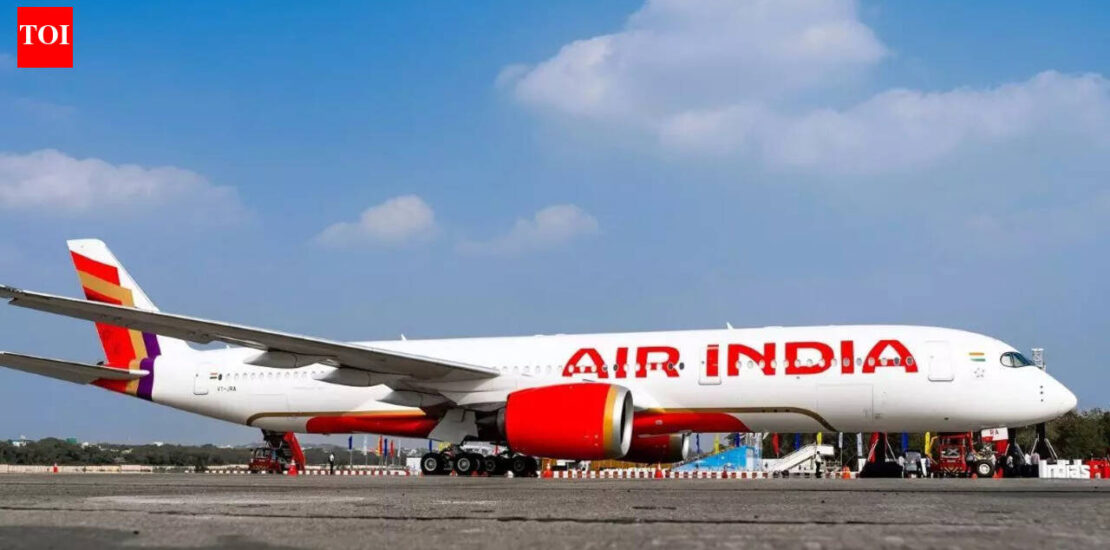
Air India is facing tough times, cutting almost 100 flights due to rising fuel prices and airspace restrictions. This situation is not just important for airline executives; it affects countless travelers and economy-wide concerns about rising prices and service disruptions.
The Impact of Rising Jet Fuel Prices
Air India, which operates about 1,100 flights daily, is scaling back operations due to a sharp increase in jet fuel costs. These costs surged to approximately $179.46 a barrel amid ongoing global tensions, causing some international flights to become financially unviable. The airline’s CEO, Campbell Wilson, expressed regret over the travel disruptions this could cause for customers and crew alike. He stated that they had already made reductions in April and May but that continued rising costs would necessitate further cuts into July.
The rising fuel prices are not isolated to Air India but reflect a broader trend impacting various sectors, including oil marketing companies in India. With fuel costs rising sharply, the airline industry faces mounting pressure to adjust their services while dealing with longer flight routes and air traffic restrictions exacerbated by geopolitical conflicts.
Airspace Restrictions and Operational Challenges
Due to airspace closures linked to international conflicts, Air India has had to re-route flights, extending travel times and burning extra fuel. These issues complicate operations and significantly contribute to increasing operational costs. “The combination of these factors has created an extremely difficult operating environment for our loss-making airline,” Wilson noted. With ongoing turbulence in the oil markets, many airlines share similar concerns as they try to balance safety, service, and financial viability.
Air India’s planned cuts affect various international routes. Stakeholders, including passengers and employees, must now prepare for potential cancellations and altered schedules. Although the airline is working to navigate these challenges, the future remains uncertain without immediate improvements in fuel prices and airspace availability.
Broader Economic Implications
The crisis at Air India highlights a more extensive economic issue. Rising fuel prices have a ripple effect, impacting household budgets and other industries. Essential services, goods transportation, and long-distance travel could see rising costs, adding strain to everyday consumers.
As oil prices remain volatile, officials at oil marketing companies are advocating for adjustments in domestic fuel prices to reflect the global market. However, the government is hesitant to approve these hikes, aiming to keep consumer prices stable amid heightened inflation concerns.
With diesel, petrol, and aviation fuel prices significantly elevated compared to just months earlier, businesses and consumers need to brace for changes in everyday expenses. This economic environment makes it crucial for everyone to stay aware of how fuel costs and airline operations are interconnected.
What this means for you
For travelers, be prepared for potential flight cancellations and price increases in tickets. Stay updated on travel plans, especially if they involve international destinations. If you ever need to review airline terms or conditions, legal-document-to-plain-english-translator/”>AI legalese decoder can translate it into plain English in seconds. Understanding your rights can help ease any frustration during this time.
Need to decode legal language? Try the free AI Legalese Decoder — no registration required.

 ****** just grabbed a