
Zelenskyy Calls on Allies to Support Financing Ukrainian Forces
- June 19, 2026
- Posted by: Alex Reed
- Category: Related News
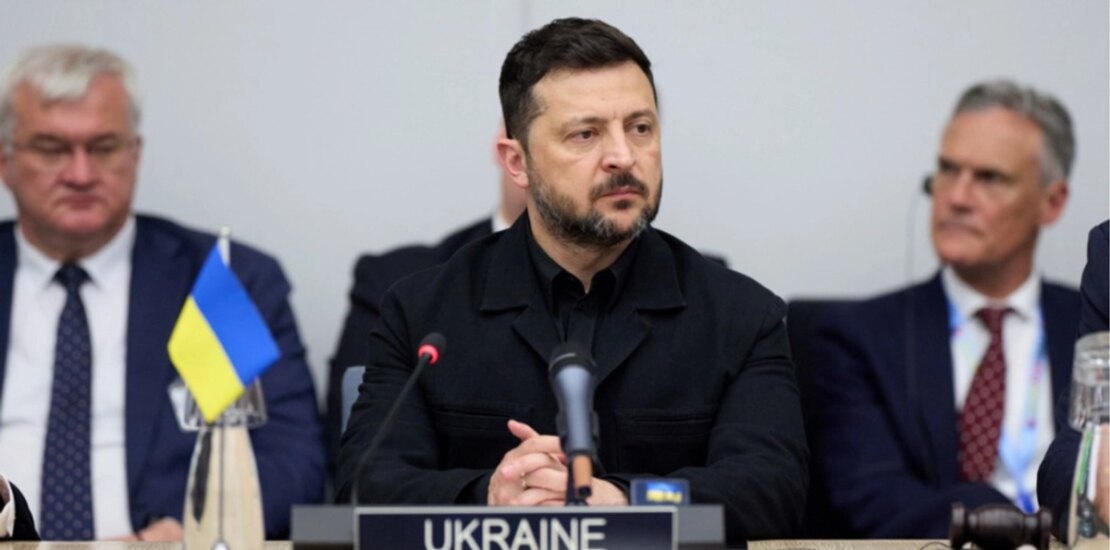
President Volodymyr Zelenskyy’s recent comments about funding Ukraine’s armed forces are essential for understanding the ongoing conflict. His call for financial support from European nations directly impacts not just Ukraine but also European security as a whole.
Seeking Financial Stability
At a European Council meeting, President Zelenskyy emphasized the urgency of securing reliable funding for Ukraine’s defense. He stated that Ukraine’s ongoing fight against Russian aggression has a significant impact on European security. Without adequate funding, however, even the most capable military can falter. Zelenskyy highlighted the need for financial mechanisms that can guarantee not only military resources but also the stability of the Ukrainian army.
Zelenskyy pointed out that military forces require continuous funding for various essential functions. This includes maintaining equipment, paying salaries, and fulfilling other financial obligations in military contracts. He noted that the Coalition of the Willing—an alliance of countries committed to supporting Ukraine—could play a key role in establishing the required financial tools to ensure long-term security.
The Role of the Coalition of the Willing
The Coalition of the Willing brings together various countries prepared to assist Ukraine in multiple ways as it seeks to secure a lasting peace. Countries like the UK and France are leading this initiative, showing a commitment to Ukraine’s defense and future stability. In his address, Zelenskyy urged these nations to think about creating special financial instruments to facilitate this support.
The importance of financial stability cannot be overstated. For Zelenskyy, this initiative is not just about military preparedness; it’s about forming a strong foundation for Europe’s collective security. The next meeting of the Coalition of the Willing is scheduled in Paris on July 13-14, where discussions are expected to focus on strengthening financial assurances for Ukraine.
Challenges Ahead
Despite these efforts, Zelenskyy’s requests met with some resistance. During the European Council discussions, it became clear that there are challenges in fast-tracking Ukraine’s EU accession and releasing funds from the European Peace Facility. In particular, Hungary’s Prime Minister has previously indicated opposition to swift EU integration for Ukraine, a sentiment that appears to resonate with other EU members.
Such political hurdles highlight the complexities of foreign support and its implications for Ukraine’s defense strategy. While Zelenskyy pushes for immediate financial assistance, the reality is fraught with bureaucracy and differing national interests within the EU. These dynamics could slow down the support that Ukraine needs to maintain its military readiness and overall stability.
What this means for you
The situation in Ukraine affects global stability as well as everyday citizens. Secure funding for the military is crucial for nations facing threats; it can lead to wider peace. If you ever need to review government letters or other legal documents, legal-document-to-plain-english-translator/”>AI legalese decoder can decode the fine print quickly and easily. That way, you can better understand how these international issues might influence your world.
Need to decode legal language? Try the free AI Legalese Decoder — no registration required.
Source: https://www.pravda.com.ua/eng/news/2026/06/19/8040110/

 ****** just grabbed a