
WSU’s Innovative Approach to Breeding Superior Cherry Varieties
- June 13, 2026
- Posted by: Alex Reed
- Category: Related News
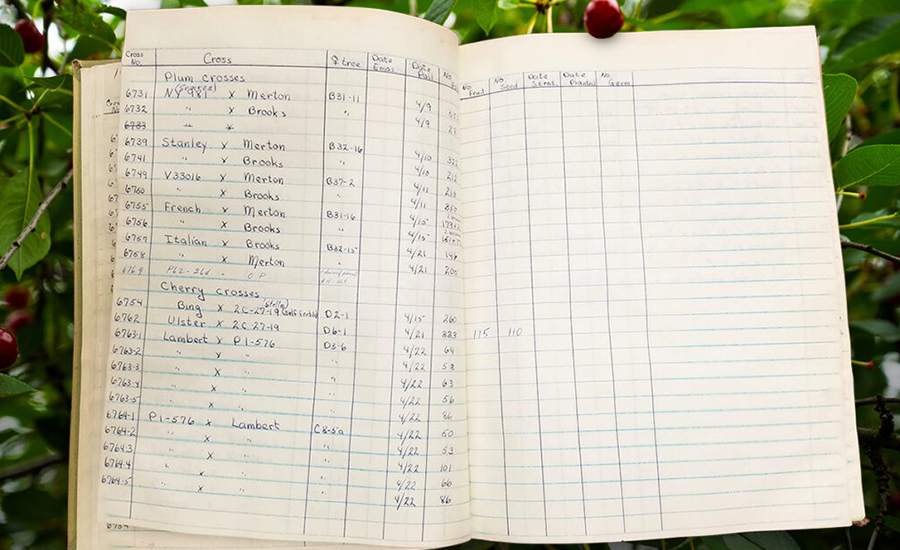
Washington State University (WSU) is tapping into its rich cherry breeding history to create even better fruit varieties that benefit both farmers and consumers. This research not only honors past achievements but also sets the stage for future breakthroughs in cherry cultivation.
Unearthing Cherry Breeding Heritage
WSU scientists have recently published a study leveraging the extensive records of legendary sweet cherry breeder Thomas Toyama. Between 1963 and 1985, Toyama developed 11 unique cherry cultivars, including the well-known Chelan. His work laid the foundation for understanding cherry genetics, and the current researchers aim to honor and build upon his legacy.
Cameron Peace, a professor in WSU’s Department of Horticulture, emphasized the importance of Toyama’s contributions. “Dr. Toyama created some really cool germplasm that continue to be used at WSU and globally,” he said. By analyzing Toyama’s records, researchers are uncovering the genetic makeup of various cherry types that can guide modern breeding efforts for tastier, more resilient fruits.
The ultimate goal? To identify specific genetic factors that make cherries larger, sweeter, or more disease-resistant. This will enable breeders to combine varieties more effectively and potentially create even better fruit.
New Discoveries from Old Records
The researchers found that Toyama’s cherry varieties commonly originated from two main sources: the Stella breed, known for its ability to self-fertilize, and two French cultivars that produce fruit earlier in the season. These traits are particularly appealing to growers and have shaped the direction of Toyama’s breeding experiments.
“Exciting advancements in breeding can come from our understanding of historic data,” said Raj Khosla, Dean of WSU’s College of Agricultural, Human, and Natural Resource Sciences. Khosla is optimistic about how past insights can lead to new cherry breeds that please consumers and extend growing seasons.
Current cherry breeder Per McCord noted that even with advanced technology, many breeding practices remain the same. McCord’s work reflects Toyama’s foundations, proving that the principles of breeding can stand the test of time. Today, growers still seek larger cherries and varieties that are ready to eat from spring through summer.
The Path Forward: Digitizing Enthusiasm for Breeding
The study conducted by Peace’s team, including graduate student Duygu Caymaz, reveals just how intricate cherry breeding can be. They discovered that Toyama’s efforts to create 11 cultivars involved using 103 parent sources, resulting in over 5,182 germinated seeds and 88,000 pollinated flowers.
“What we uncovered isn’t typical in breeding programs,” Peace pointed out. “Most have records, but a detailed look at trends and numbers like this is rare.” The researchers believe that knowing where cherry varieties come from can help modern breeders make informed choices.
Looking ahead, Peace hopes to digitize Toyama’s records to make them accessible for today’s breeders. McCord echoed this sentiment, noting that additional data could greatly enhance breeding efforts. The more information available, the better the chances of cultivating superior cherries.
What this means for you
Understanding how cherry breeding works may seem distant, but it can impact what you find at your local grocery store. The next time you’re enjoying a sweet cherry, keep in mind the science and history behind it.
If you ever need to review any documents related to agriculture, like breeding agreements or compliance forms, legal-document-to-plain-english-translator/”>AI legalese decoder can help translate them into plain English in seconds.
Need to decode legal language? Try the free AI Legalese Decoder — no registration required.
Source: https://www.tricitiesbusinessnews.com/articles/wsu-uses-history-to-breed-better-cherries

 ****** just grabbed a