
World Cup Visa Issues Threaten Texas Business Opportunities
- June 16, 2026
- Posted by: Alex Reed
- Category: Related News
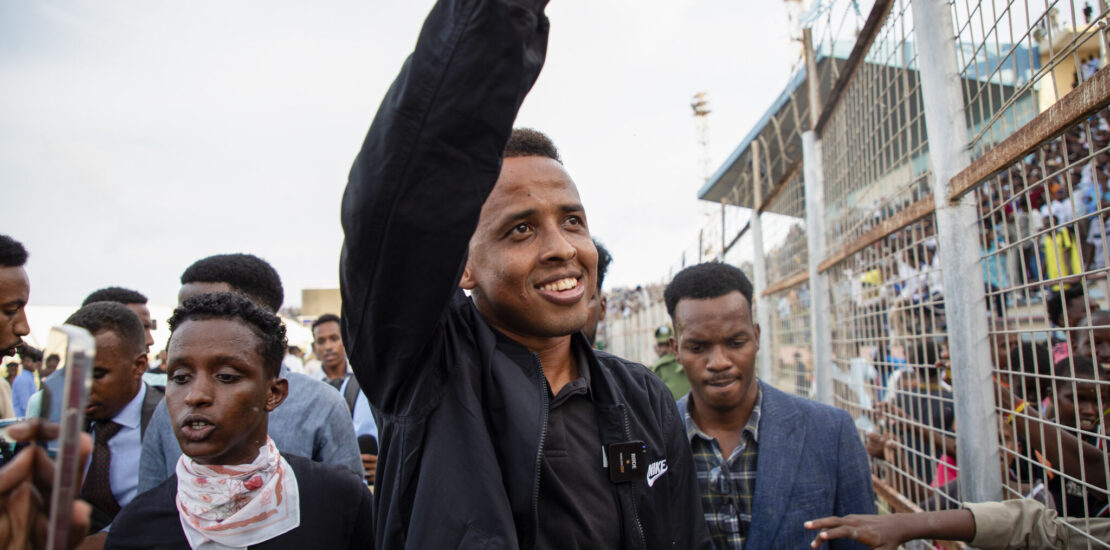
Omar Abdulkadir Artan, a Somali referee tapped by FIFA for the World Cup, was sent back to Istanbul shortly after landing in Miami, despite holding a valid U.S. visa. This incident highlights crucial flaws in America’s immigration system that could affect anyone aspiring to visit the country, whether for work, leisure, or major events.
## A Visa Is Not the Same as Entry
Many people mistakenly believe that receiving a U.S. visa means they can simply walk into America. This is not the case. A visa grants permission to approach a Customs and Border Protection (CBP) officer. That officer ultimately decides whether the individual can enter the U.S. This process becomes complex, as decisions are made with little to no explanation, and there are no opportunities for appeal. In Artan’s case, he was turned away based on “vetting concerns,” leaving many questions unanswered.
Artan was supposed to be the first Somali referee in World Cup history, which would have been a significant milestone. But instead, he found himself on a plane back home without a chance to officiate. His experience showcases the often unpredictable nature of U.S. immigration enforcement, a situation that is also troubling for many looking to visit or migrate legally.
## The Uncertainty Affects Everyone
When individuals are turned away at the airport, it not only impacts them but also has wider repercussions. Businesses, hospitals, and universities rely on a predictable legal immigration system. For example, hospitals in Texas seek qualified physicians from abroad, while universities vie for esteemed researchers. The fear of having a valid visa but still being denied entry complicates the planning processes for these entities.
Uncertainty is especially problematic for companies considering investing in the U.S. If a valid visa no longer guarantees admission, the stakes rise. The unpredictability can create hesitation among foreign investors, affecting the economy on multiple levels.
## Implications for the U.S. Image
The United States is not just vying for tourists but also competing for talent and financial opportunities. Major events, such as the World Cup, depend on the assumption that visitors can enter seamlessly. Unfortunately, incidents like the one involving Artan send a mixed message. Promises made during the bidding process seem diminished when an internationally recognized figure is turned away with minimal justification.
This situation not only tarnishes the U.S. image but also jeopardizes its ability to attract the best talent from around the world. If potential visitors and investors doubt the immigration process’s reliability, their interest in the U.S. may wane.
## What this means for you
Understanding the unpredictability of the immigration system is crucial for anyone planning to visit the U.S. It’s important to recognize that a visa alone does not guarantee entry. If you ever need to review a visa or travel document, legal-document-to-plain-english-translator/”>AI legalese decoder can help translate it into plain English in seconds. Staying informed can make a significant difference in navigating travel plans and expectations.
Need to decode legal language? Try the free AI Legalese Decoder — no registration required.

 ****** just grabbed a