
What You Should Know About the Rare Hantavirus in Jacksonville
- May 11, 2026
- Posted by: Alex Reed
- Category: Related News
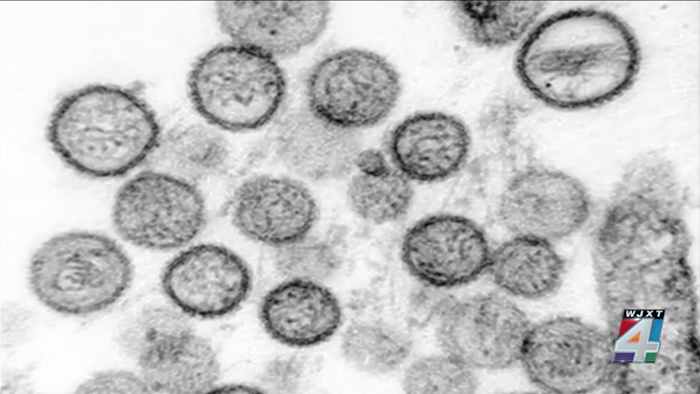
Hantavirus is making headlines, but it may not be as concerning as it sounds for most Americans. A Jacksonville doctor offers some clarity on this disease, explaining how it spreads, what symptoms to watch for, and how to protect yourself.
Understanding Hantavirus Transmission
Dr. Sonya Rashid, an emergency room physician in Jacksonville, emphasizes that hantavirus is primarily spread through contact with rodent droppings, urine, or feces. Person-to-person transmission is rare. While it’s theoretically possible, it’s not common, making it much less likely to cause widespread outbreaks compared to airborne illnesses like COVID-19. Dr. Rashid notes that this virus is classified as a zoonotic disease, meaning it typically spreads from animals, specifically rodents, to humans.
People concerned about hantavirus can breathe a little easier. Dr. Rashid states that it would be challenging for hantavirus to develop into a pandemic due to its specific transmission method. Unlike COVID-19, which spreads readily through the air, hantavirus requires direct contact with contaminated substances.
Recognizing the Symptoms
Early signs of hantavirus infection can mimic the flu or a common cold. Symptoms include fever, chills, body aches, and a general sense of illness. As the disease progresses, more severe symptoms can manifest. Dr. Rashid mentions that some patients may experience fluid buildup in the lungs, kidney failure, or a drop in blood pressure, all of which can complicate recovery.
Since the symptoms can resemble other illnesses, it’s essential to be vigilant. If you experience these symptoms, especially after potential exposure to rodent droppings, consult with a healthcare provider.
Medical Response and Treatment
Currently, there are no FDA-approved treatments specifically for hantavirus. Dr. Rashid explains that the care provided is mainly supportive. This means that doctors focus on helping patients breathe, manage blood pressure, and address kidney function if needed. While some experimental antiviral treatments exist, they are not standard care protocols.
Due to the lack of specific treatments, early detection and supportive care become even more critical. If you suspect you have been exposed to hantavirus, seeking medical assistance is vital for the best possible outcome.
Taking Precautions Against Infection
To minimize your risk of hantavirus, the most effective precaution is to avoid contact with rodent droppings. Dr. Rashid advises against sweeping up rat droppings without proper protection. If you must clean an area with droppings, wearing a mask, gloves, and a protective suit can help prevent inhalation of dangerous particles.
Residents of Jacksonville may be wondering if they should be alarmed by hantavirus news. Dr. Rashid reassures the public that without direct contact with an infected person, there is little cause for concern. Anyone who has had direct contact should follow quarantine protocols and consider testing for the virus.
What this means for you
Hantavirus may not be a pressing threat for most, but understanding its transmission is crucial for personal safety. If you ever need to review health-related forms or consent documents, legal-document-to-plain-english-translator/”>AI legalese decoder can translate it into plain English in seconds. Be proactive about your health, stay informed, and take necessary precautions to minimize risk.
Need to decode legal language? Try the free AI Legalese Decoder — no registration required.

 ****** just grabbed a