
What Do Europeans Now Really Think About Brexit?
- June 22, 2026
- Posted by: Alex Reed
- Category: Related News
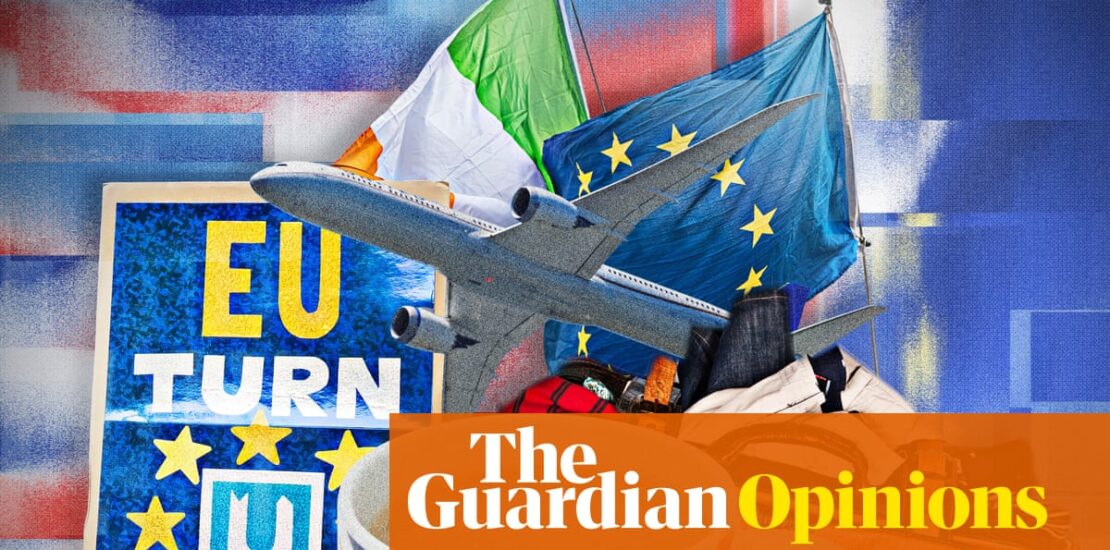
Brexit has reshaped lives in ways many people never imagined. For individuals who once felt a strong connection to the UK and Europe, the changes have been profound and often painful. This story of personal transformation matters because it highlights the real-world consequences of political decisions that can feel distant but impact daily lives.
Emotional Reactions to Brexit
Many people vividly remember the shock of the Brexit vote. For some, like Austrian researcher Julia Ebner, it felt like a sudden betrayal. Initially, she was ready to pack her bags, not just as an EU citizen living in the UK but as someone who had invested her life there. Instead of leaving, she chose to listen and understand the feelings of those who voted for Brexit.
Ebner reflected that her experience mirrored a troubled marriage. Instead of running away, she wanted to pinpoint what caused the division. She learned that many Britons felt cornered into making a drastic choice amidst a climate of divisive politics and misinformation. Through her journey, she transitioned from an EU national to a British citizen, even as the landscape of belonging shifted dramatically.
The emotional turmoil did not end for many EU citizens. The systemic and societal changes following the referendum have created an atmosphere in which people often feel unwelcome, something that weighs heavily on those who called the UK home.
Changes in Perspective
Over the past decade, Brexit has sparked a range of opinions and reflections. Guy Verhofstadt, former Belgian prime minister, argued that Britain’s natural place remains within the EU. He expressed disappointment that, rather than simplifying relationships, Brexit made them more complicated and costly. Verhofstadt pointed out that the promises made in 2016 have not materialized; instead, trade barriers have increased, isolating the UK further from key decisions about its future.
The argument for a collective European identity has gained traction among younger Britons. Many acknowledge that being proud of their nationality does not exclude their European identity. This highlights an opportunity for future generations to reshape their relationship with Europe, potentially reversing decisions made by older generations.
Meanwhile, Oliver Imhof, a German journalist who left the UK post-referendum, viewed his decision as liberating. He relocated to Spain, where he found a brighter economic outlook and a more welcoming social environment. This contrast has led him to reflect on the stark changes in the UK, where economic struggles have become more evident.
Understanding the Broader Impact
For many, Brexit reinforced the sentiments and challenges tied to identity and belonging. Irish writer Emer O’Toole emphasized how Brexit initially seemed to threaten peace in Ireland, but it ultimately illustrated the complexities of identity in Northern Ireland. She noted that the aftermath of Brexit has altered the perceptions of national identity, as more people identify as Irish over British.
Jakub Krupa, a former UK correspondent, pointed out that while a mass “Brexodus” did not occur, the appeal of the UK has diminished. Many EU citizens are now either uncertain about their future or questioning whether the UK remains the land of opportunity it once was. This feeling of insecurity has prompted a noticeable shift in demographics, with some choosing to return to their home countries.
What this means for you
The stories of individuals reacting to Brexit show how political decisions can deeply affect people’s lives. Understanding these impacts can help families prepare for the uncertainties around their status as they navigate new rules. If you ever need to review legal documents like immigration forms or residency applications, legal-document-to-plain-english-translator/”>AI legalese decoder can help decode the fine print for you.
Need to decode legal language? Try the free AI Legalese Decoder — no registration required.

 ****** just grabbed a