
Vitalik Buterin Shares Ethereum’s Ambitious 5-Year Roadmap
- April 20, 2026
- Posted by: Alex Reed
- Category: Related News
Recent advancements in quantum technology are raising significant concerns in the world of cryptocurrency. This affects everyday investors and users who may not realize how these changes could influence the security of their digital assets.
Understanding Quantum Risks in Cryptocurrency
The cryptocurrency market is reacting to developments in quantum technology with increased urgency. A recent report from Google has sparked discussions around the potential risks posed by quantum computing. As these technologies evolve, they could potentially crack existing cryptographic codes that protect digital currency transactions. This isn’t just a worry for Bitcoin and Ethereum; other altcoins are also ramping up their defenses against the looming quantum threat.
Cryptocurrencies like Bitcoin (BTC) and Ethereum (ETH) are built on complex mathematical equations. These equations ensure the security and integrity of transactions. However, should quantum computing advance rapidly, it could compromise this security. This concern has led to a unified response across the crypto community as they prepare for a future where quantum risks are a reality.
Ethereum’s Roadmap for Quantum Resilience
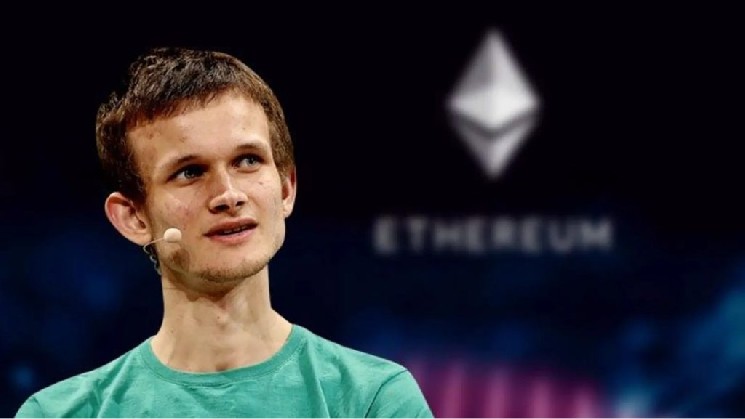
Vitalik Buterin, the co-founder of Ethereum, recently addressed these issues at the 2026 Hong Kong Web3 Festival. He made it clear that Ethereum is prioritizing both scalability and quantum security as part of its long-term goals. During his speech, titled “The Future Direction of the Ethereum Protocol,” he explained that the core mission of Ethereum is to be the most secure and decentralizing platform, not just the fastest.
Buterin laid out a five-year roadmap that includes various initiatives to bolster Ethereum’s defenses against quantum threats. Key short-term tasks include raising the gas limit, which would help improve scalability, and integrating Zero Knowledge Proofs into the Ethereum Virtual Machine (EVM). These strategies aim to make Ethereum more efficient, while still ensuring robust security.
Enhanced Features to Meet Future Demands
Among Ethereum’s plans is a significant upgrade to transaction confirmation times. By 2028, they aim to reduce this window to just 10 to 20 seconds. Additionally, the introduction of zkVM technology will allow even low-spec devices to verify transactions directly. This accessibility could democratize participation in the Ethereum network, further expanding its user base.
Buterin stressed that while quantum-resistant algorithms have been in use for 20 years, they currently face efficiency challenges. Presently, these signature algorithms are larger and more costly than the existing methods, which raises practical concerns for everyday transactions. The Ethereum team is committed to addressing these issues while continuing to innovate for a secure future.
What this means for you
The advancements in quantum technology and their implications for cryptocurrencies are crucial to understand, especially if you’re involved in digital investments. Staying informed about these developments can impact your investment choices. If you ever need to review any agreements pertaining to your online transactions, legal-document-to-plain-english-translator/”>AI legalese decoder can translate it into plain English in seconds.
Need to decode legal language? Try the free AI Legalese Decoder — no registration required.

 ****** just grabbed a