
Virginia Democrats urge Supreme Court to approve new congressional map
- May 11, 2026
- Posted by: Alex Reed
- Category: Related News
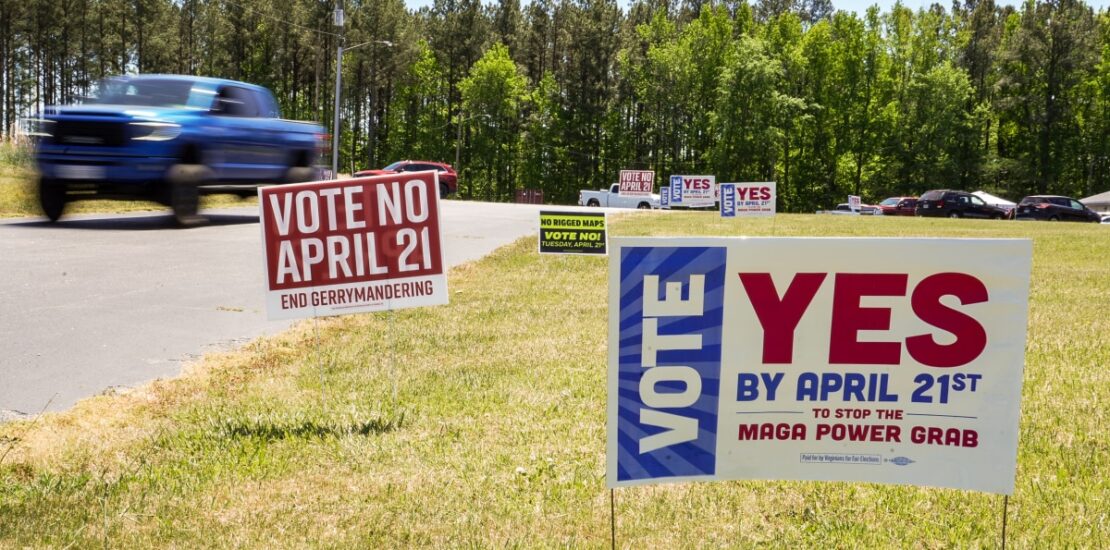
Virginia Democrats are taking a bold step to protect a congressional district map approved by voters. This story shines a light on how voters’ choices can be influenced by legal technicalities—an issue that affects every citizen.
What’s at Stake for Virginia Voters?
Last week, the Virginia Supreme Court ruled that the process used to create the voter-approved congressional district map was legally flawed. In response, Democratic lawmakers have filed an urgent request with the U.S. Supreme Court to reconsider this ruling. At stake is a map designed to create more Democratic-leaning districts at a time when redistricting battles are heating up across the country. Redistricting can significantly impact election outcomes, making it crucial for citizens to understand how these processes function.
The move comes after a series of nationwide redistricting efforts, particularly influenced by former President Donald Trump, who urged states like Texas to draw maps favoring Republicans. The Virginia map aimed to align with the interests expressed by voters, making it essential not only for political dynamics but also for ensuring that the voters’ voices are respected in the legislative process.
legal Complexities in Redistricting
Virginia Attorney General Jay Jones, representing the Democratic lawmakers, argues that the state court’s ruling undermined the will of the people. He points out that the court’s focus on technicalities in state law took precedence over the clear endorsement from voters. This is a critical point of contention, as it raises questions about the balance between legal interpretation and democratic choice.
The controversy surrounding the map is not just about political boundaries; it’s also a discussion about the integrity of the voting process itself. When courts intervene, it can lead to feelings of disenfranchisement among voters, who may feel their voices and choices are being disregarded. As redistricting becomes more contentious, understanding these legal battles is vital for a well-informed electorate.
The Role of the U.S. Supreme Court
The U.S. Supreme Court’s role in this scenario is complex. Generally, it does not have jurisdiction over state law issues. However, Democrats argue that the Virginia Supreme Court’s decision also violates federal law, thereby inviting federal scrutiny. If the U.S. Supreme Court decides to take up the case, it could establish precedence that influences how similar cases are handled in the future, not just in Virginia but across the nation.
This situation illustrates the intricate relationship between state and federal laws and how a single court decision can ripple through various electoral landscapes. As states navigate the redistricting process, they must also consider the legal repercussions their maps might face, making it necessary for lawmakers to tread carefully.
What This Means for You
The struggle over the Virginia congressional district map reminds us that the legal landscape impacts our daily lives, especially during elections. It’s an important lesson in understanding how legal technicalities can alter voter intentions. If you ever need to review legal documents related to elections or any other matters, legal-document-to-plain-english-translator/”>AI legalese decoder can help translate it into plain English in seconds.
As citizens, staying informed about these legal processes and their implications can enhance our ability to participate effectively in democracy. Be proactive by understanding how laws influence your rights and the electoral process.
Need to decode legal language? Try the free AI Legalese Decoder — no registration required.

 ****** just grabbed a