
Venezuela Earthquake: Ongoing Rescues Amid Rising Death Toll
- June 29, 2026
- Posted by: Alex Reed
- Category: Related News
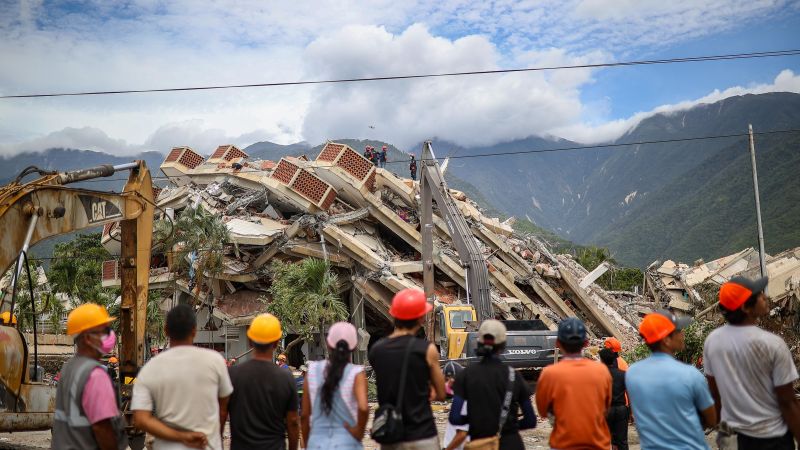
Finding survivors in the aftermath of an earthquake is a race against time. This tragic reality not only highlights the efforts of rescue teams but also impacts families searching for loved ones.
The Challenge of Search and Rescue
After an earthquake strikes, the clock starts ticking. Coordinated rescue efforts are crucial. Various specialist teams from around the world work tirelessly to locate those trapped under debris. In Venezuela, following a recent quake, U.S. helicopters have been deployed to survey damage. Their job is to assess hazards and gather information necessary for effective rescue operations. This initial stage is essential to ensure teams can operate safely and efficiently.
Planning is just the beginning. Rescue teams divide the damaged areas into sectors. This strategy helps organize their search and protect the safety of both rescuers and potential survivors. They estimate the resources needed and set priorities based on damage reports. It’s a meticulous process aimed at maximizing their chances of success.
Uncovering Survivors
Once the groundwork is laid, rescue workers then focus on areas where people are most likely to have survived. They engage with local residents to gather information about possible victims and the layout of the buildings. This local knowledge can prove invaluable. Workers listen intently for sounds of life in the wreckage, guided by whispers of hope amidst piles of rubble.
Dogs trained for search and rescue play a vital role in these operations. They navigate tight spots in collapsed structures, helping to locate individuals trapped inside. Alongside these skilled canines, technology assists efforts too. Rescuers utilize advanced tools like micro drones, often called “cockroach drones,” to scan the wreckage for signs of life. These innovations are game-changers that enhance the likelihood of finding survivors.
Hurdles in Rescue Operations
Even with detailed plans, challenges often arise during rescue missions. A significant concern has become apparent in Venezuela: the lack of heavy machinery to move massive amounts of debris. This shortfall hampers progress and frustrates families waiting desperately for news about their loved ones.
Families with missing relatives express their anguish. They feel the pain of uncertainty and the weight of waiting for help that isn’t arriving fast enough. Rescue workers on the scene have acknowledged the overwhelming conditions. Individuals like industrial engineer Alejandro Serrano have noted the “strong smell of death” as they grapple with the enormity of what needs to be done.
Global Support and Future Steps
International aid and support are crucial in these efforts. Countries and organizations are stepping in to provide assistance. While technology and training can enhance search and rescue, the absence of essential equipment can stall operations. Families need timely information, and authorities must respond to their calls for help. Cooperation among local and international teams is critical for a successful outcome.
Ultimately, finding survivors and providing relief is a team effort that transcends borders. As technology and methodologies improve, the hope remains that more lives can be saved in future disasters.
What this means for you
Natural disasters can strike unexpectedly, affecting anyone. Staying informed and prepared can make a difference. One practical takeaway is understanding the terms in medical consent documents, especially related to emergencies. If you ever need to review such documents, legal-document-to-plain-english-translator/”>AI legalese decoder can translate it into plain English in seconds.
Need to decode legal language? Try the free AI Legalese Decoder — no registration required.
Source: https://www.cnn.com/2026/06/29/world/live-news/venezuela-earthquake-hnk

 ****** just grabbed a