
Vance Heads to Pakistan for Iran Peace Talks: What to Expect
- April 21, 2026
- Posted by: Alex Reed
- Category: Related News
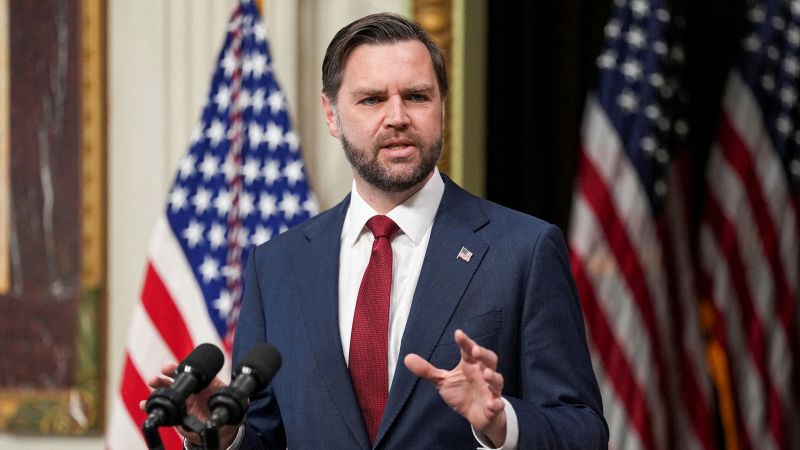
As negotiations between the U.S. and Iran continue, the stakes are high not just for governments, but for everyday people. This situation could impact global peace and economy, affecting everything from gas prices to international relations.
Current Talks Between the U.S. and Iran
Vice President JD Vance is slated to leave Washington for Pakistan today as a crucial round of talks approaches. The talks, set to take place in Islamabad, represent a significant effort to navigate the ongoing conflict with Iran. Sources indicate that both American and Iranian officials are preparing to engage in discussions aimed at resolving tensions. However, the environment remains tense, with both sides exchanging heated rhetoric in public forums.
Negotiations, originally set for Wednesday, are seen as a vital opportunity for restarting dialogues that have faced numerous challenges. Despite the best efforts from both sides, a smooth path to a resolution remains uncertain.
Main Challenges to Overcome
Several major sticking points are complicating the discussions. One of the most critical issues is the fate of Iran’s uranium stockpiles. Recently, claims were made that Iran might agree to ship its highly enriched uranium stockpile to the U.S. However, a senior Iranian official quickly dismissed this notion as unrealistic.
Iran currently holds about 400 kilograms of uranium enriched to 60%, a substantial amount that has raised alarms globally. One proposal on the table involves the prospect of unfreezing billions in Iranian assets in exchange for transferring this uranium stockpile. But Iran is seeking major sanctions relief, demanding the unfreezing of assets totaling over $20 billion.
Controversies Around Uranium Enrichment
Another contentious issue is the extent of restrictions on Iran’s uranium enrichment program. A recent proposal suggested a lengthy suspension of Iran’s enrichment activities; however, an Iranian official has strongly refuted the notion of indefinite halts, stating that Iran would not agree to be an “exception” to international law.
Previously, U.S. negotiators suggested a 20-year pause on enrichment. In contrast, Iran proposed a five-year suspension, leading to a stalemate. These contrasting timelines illustrate the complexities of reaching common ground on this pivotal issue.
Reopening of Shipping Routes
The Strait of Hormuz, a crucial shipping corridor, has been another focal point in discussions. Recently, Iran announced the reopening of this vital route after months of restrictions. This development provided a momentary sense of relief; however, the situation changed rapidly when Iran reinstated strict limits on shipping following statements from U.S. officials concerning ongoing blockades.
These back-and-forth actions have created an unstable atmosphere, with reports of vessels experiencing attacks while trying to navigate through the strait, further complicating the negotiations.
What this means for you
The ongoing talks between the U.S. and Iran illustrate how international relations can have far-reaching consequences on everyday lives, including economic stability. If you ever need to review contracts related to international business or trade agreements, legal-document-to-plain-english-translator/”>AI legalese decoder can quickly translate them into plain English. This way, you’ll be better equipped to understand any implications for your business or personal finances.
Need to decode legal language? Try the free AI Legalese Decoder — no registration required.
Source: https://www.cnn.com/2026/04/21/world/live-news/iran-war-us-trump-israel

 ****** just grabbed a