
Vance Delays Trip to Spearhead New U.S.-Iran Negotiations
- June 18, 2026
- Posted by: Alex Reed
- Category: Related News
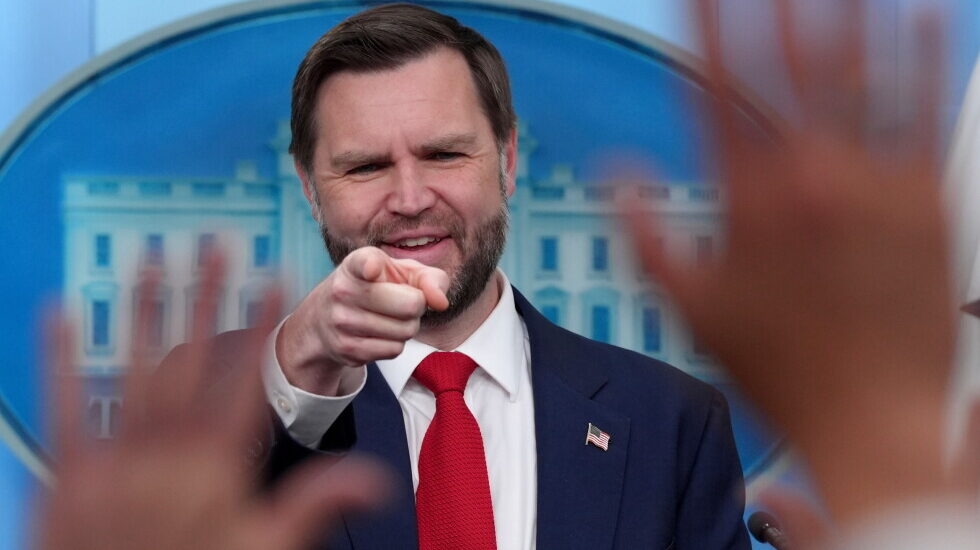
The potential for negotiations over Iran’s nuclear program impacts everyone, especially as rising tensions can affect global oil prices and economic stability. With the Vice President’s delayed trip to Switzerland, concerns about conflict and compromise loom larger than ever.
Delay in Negotiations Raises Concerns
The White House announced that Vice President JD Vance is postponing a pivotal trip to Switzerland. He was set to lead negotiations aimed at extending a ceasefire between the U.S. and Iran regarding Iran’s nuclear program. This delay is not just about logistics; it suggests deeper complications in securing a tentative agreement to help end ongoing tensions. Iran’s decision to hold back its delegation for the talks is intertwined with Israel’s military actions in Lebanon, creating an even more complicated backdrop for any potential agreement.
Amid the uncertainty, Vance, who was initially skeptical about U.S. military engagement with Iran, has become a key advocate for the administration’s position on negotiations. He argues that while the tentative deal includes concessions, Iran must first meet specific U.S. demands. The new round of talks was already in question, and the formal postponement only intensifies the uncertainty surrounding future diplomatic efforts.
Controversial Agreement Compounds Issues
In his defense of the deal, Vance highlighted a strategy focusing on compliance from Iran. This involves a promise that as Iran shows “good behavior,” the U.S. may provide economic relief in return. This philosophy suggests a negotiation tactic where actions on both sides will determine the extent of cooperation.
However, the proposed agreement has sparked division in the U.S. Congress, especially among Republicans who believe it grants Iran too much leeway. They are particularly concerned about the prospect of lifting sanctions, which they fear could enable Iran’s nuclear ambitions further, jeopardizing U.S. national security.
Adding another layer of complexity, a former Trump administration envoy noted that Iran plans to invite the International Atomic Energy Agency (IAEA) to inspect its nuclear sites. This could be a positive step, but actual compliance remains to be seen.
Vance’s Defense Amid Criticism
Before his trip was delayed, Vance publicly defended the deal during a White House appearance. He indicated that he viewed the agreement as a necessary step to improve diplomatic relations. Vance’s comments reflect a balancing act, emphasizing the need for direct negotiations while tactfully addressing criticism from other lawmakers and international parties.
His comments also included a warning directed at Israel, underscoring the delicate nature of U.S.-Iran relations. Vance stated that the U.S. is the only superpower showing sympathy toward Israel at this time. Acknowledging Israel’s historical tensions with Iran, he suggested that these factors complicate the ongoing dialogue and peace efforts.
Shipping and Economic Implications
Meanwhile, the agreement has historical significance, as President Trump signed it during a meeting with French President Macron. It aims to ease economic pressures that surged due to rising oil prices. Following the signing, there was a noticeable upturn in oil tankers moving through the Strait of Hormuz, indicating a partial easing of previously stringent blocks.
Shipping activity, which had come to a near halt due to rising tensions, saw a revival after the agreement. Major shipping companies have begun to ease restrictions, allowing the flow of goods, which in turn could stabilize economic fluctuations. However, experts caution that complete normalization could take time.
U.S. Central Command has confirmed its commitment to ensure all terms of the agreement are followed. Although tensions remain high, maintaining this balance is crucial for ongoing economic stability and international relations.
What this means for you
The delay in negotiations over Iran’s nuclear program shows how international relations can directly affect economic stability, impacting everything from gas prices to market fluctuations. If you ever need to review contracts related to employment, such as NDAs or severance agreements, legal-document-to-plain-english-translator/”>AI legalese decoder can help translate them into plain English in seconds.
Need to decode legal language? Try the free AI Legalese Decoder — no registration required.

 ****** just grabbed a